Valença, Bahia, Brazil, 1967
Lives and works in Salvador, Bahia, Brazil
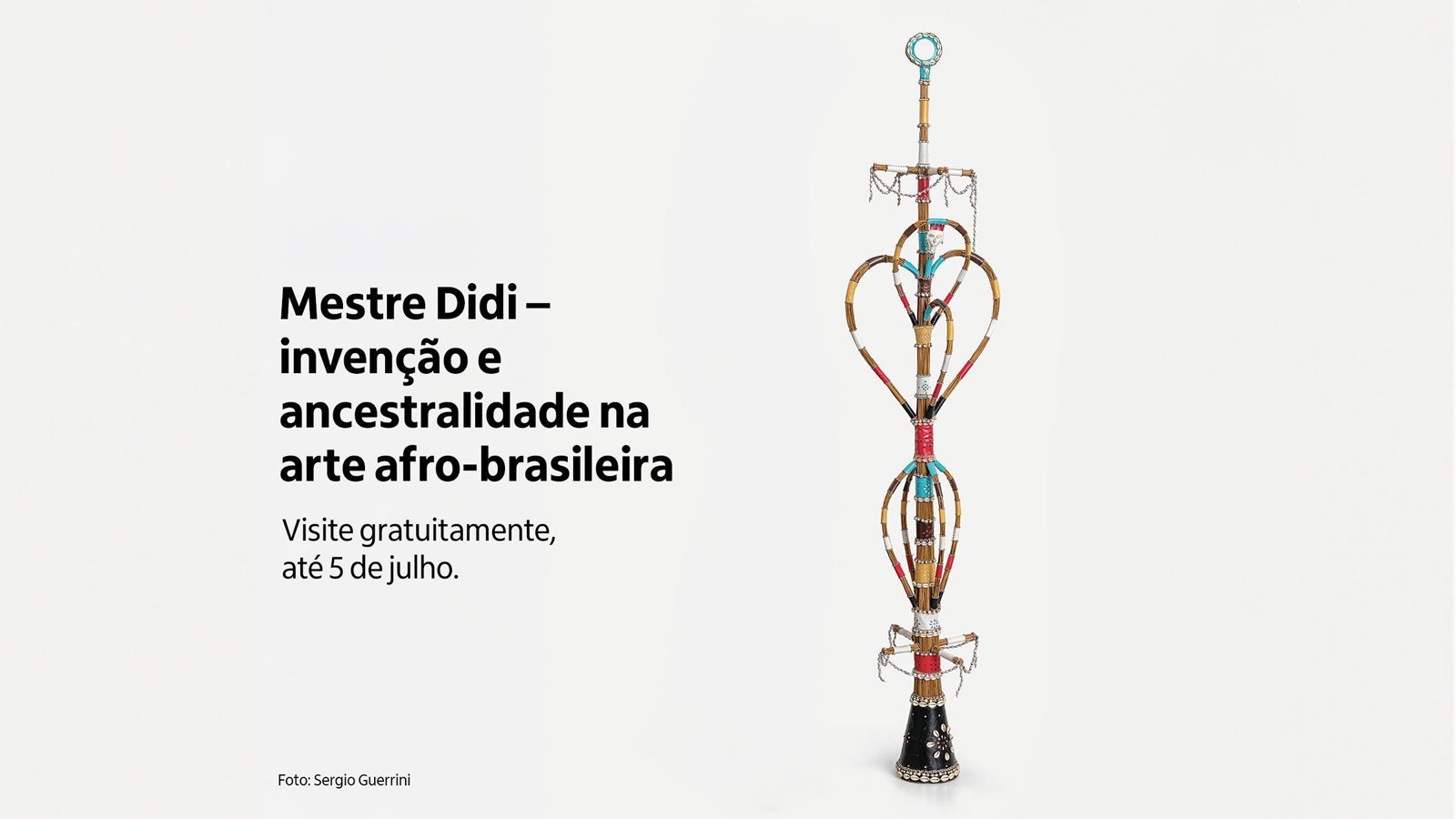
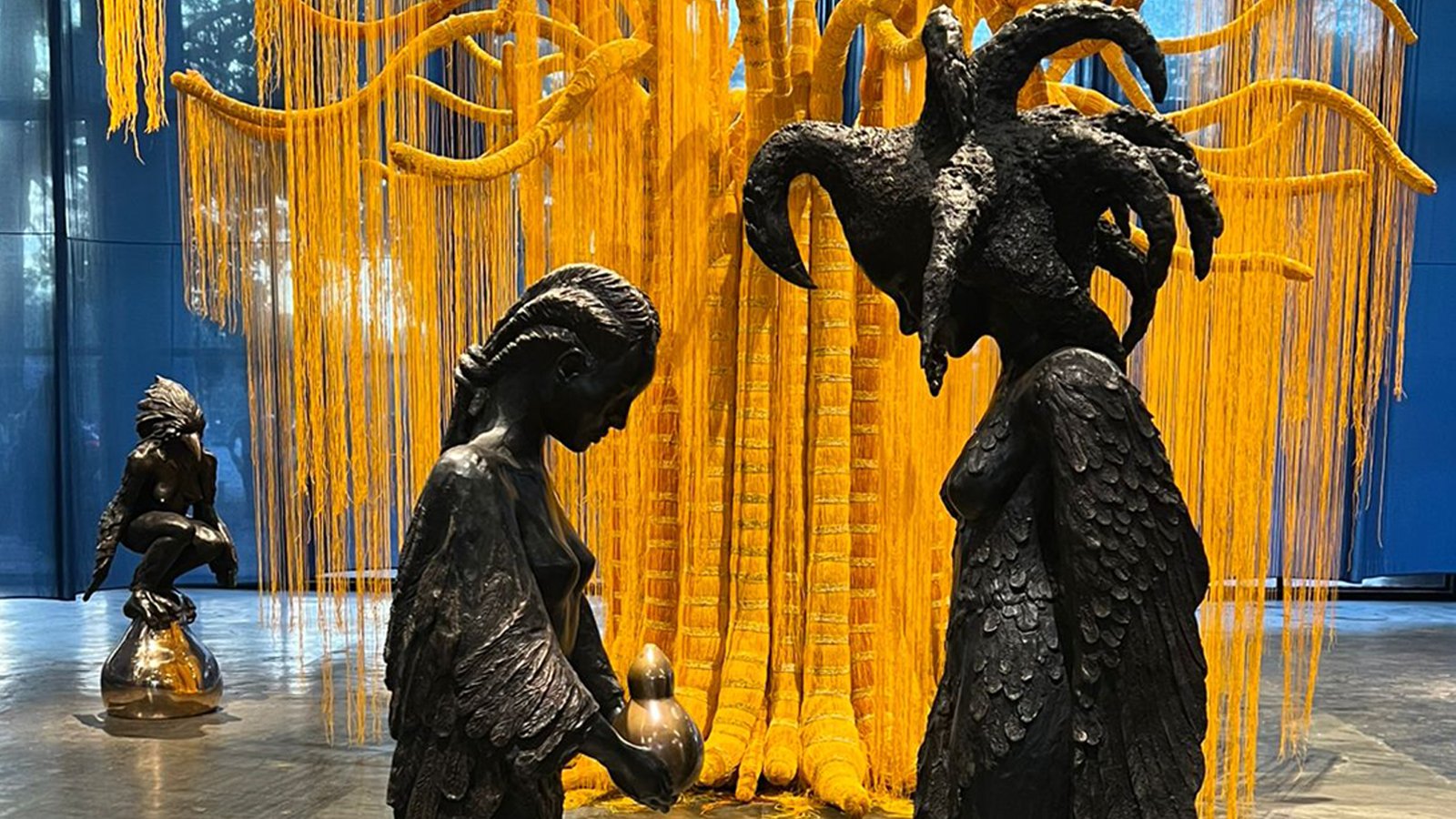
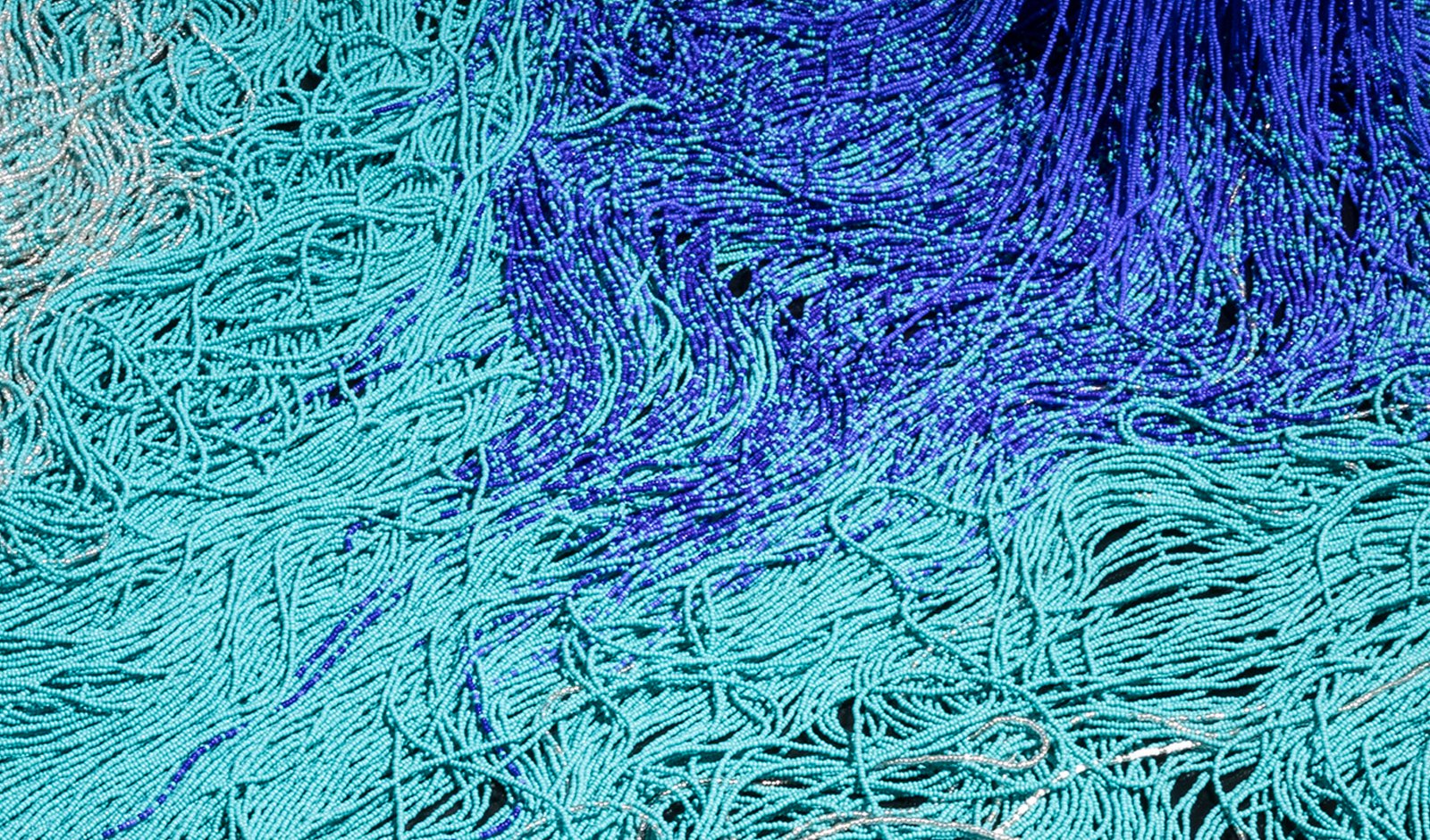
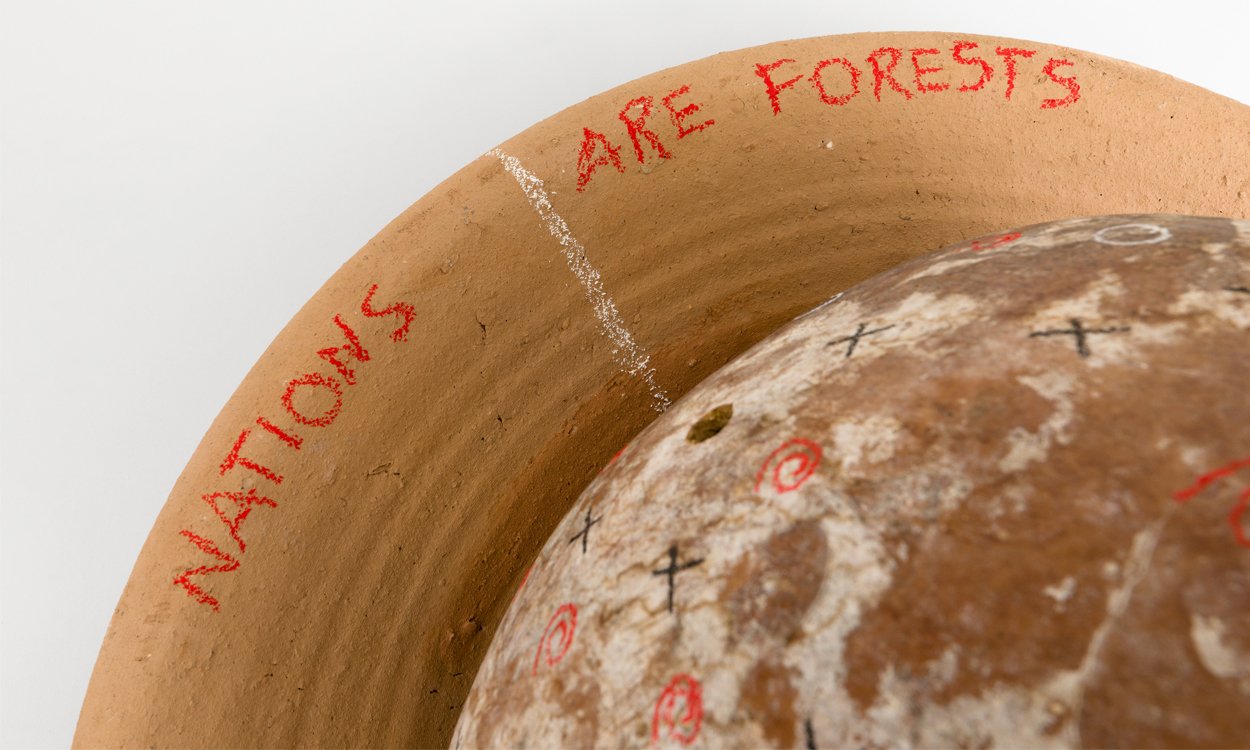
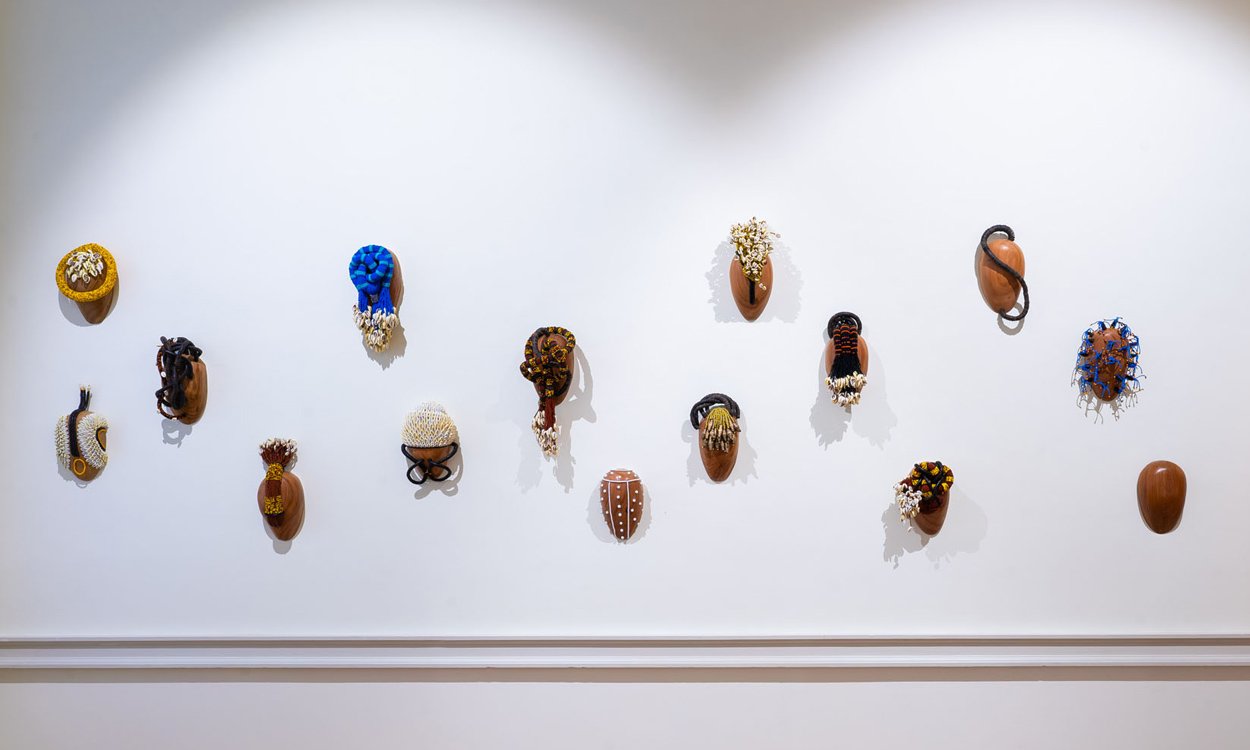
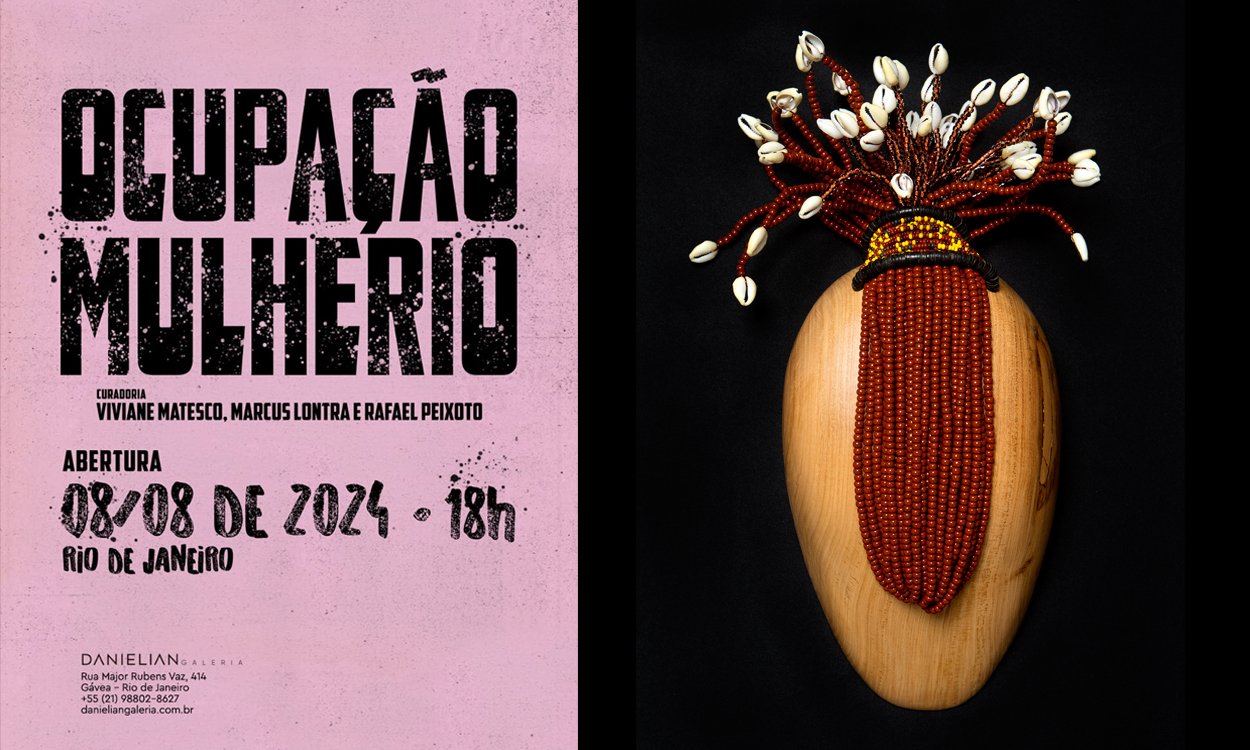
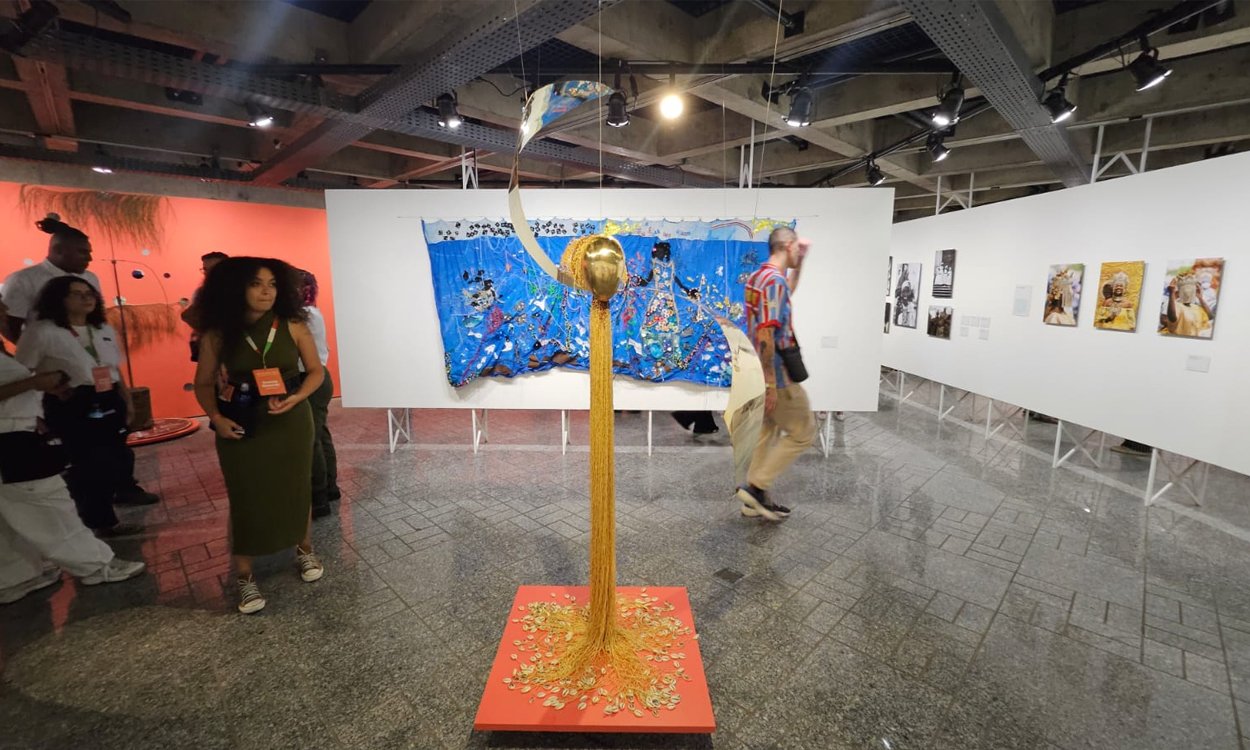
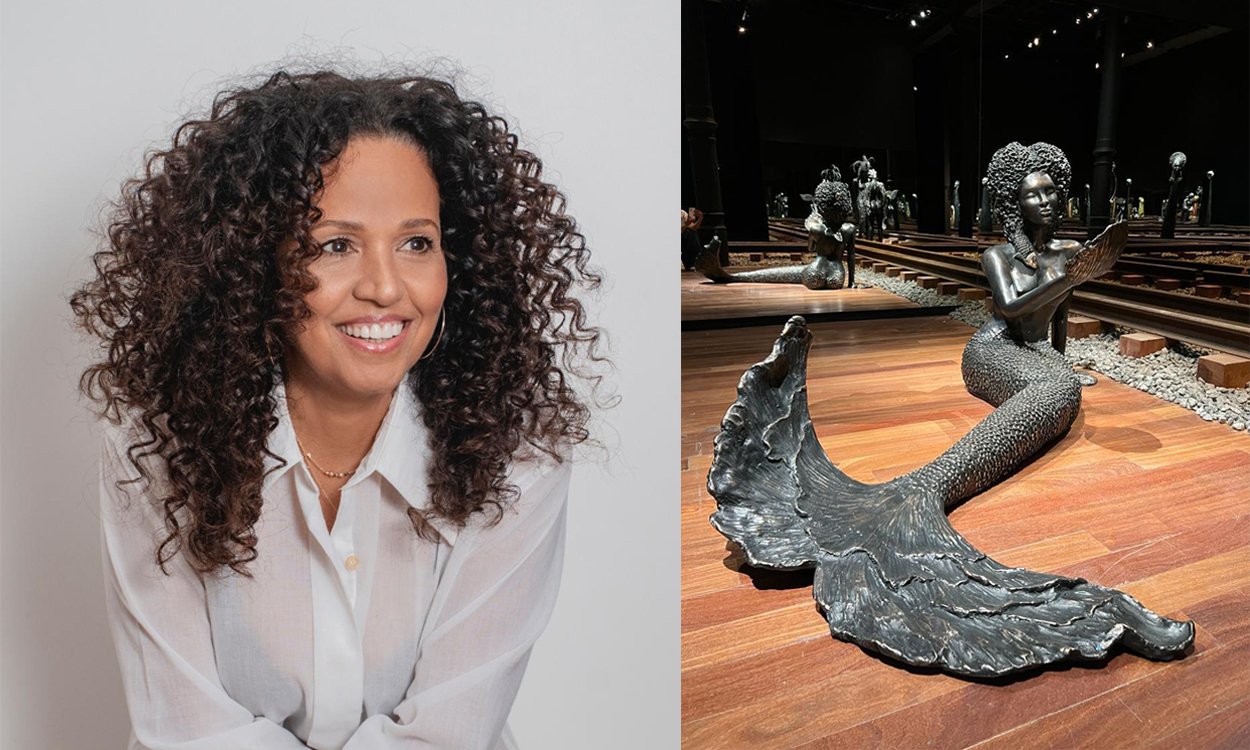
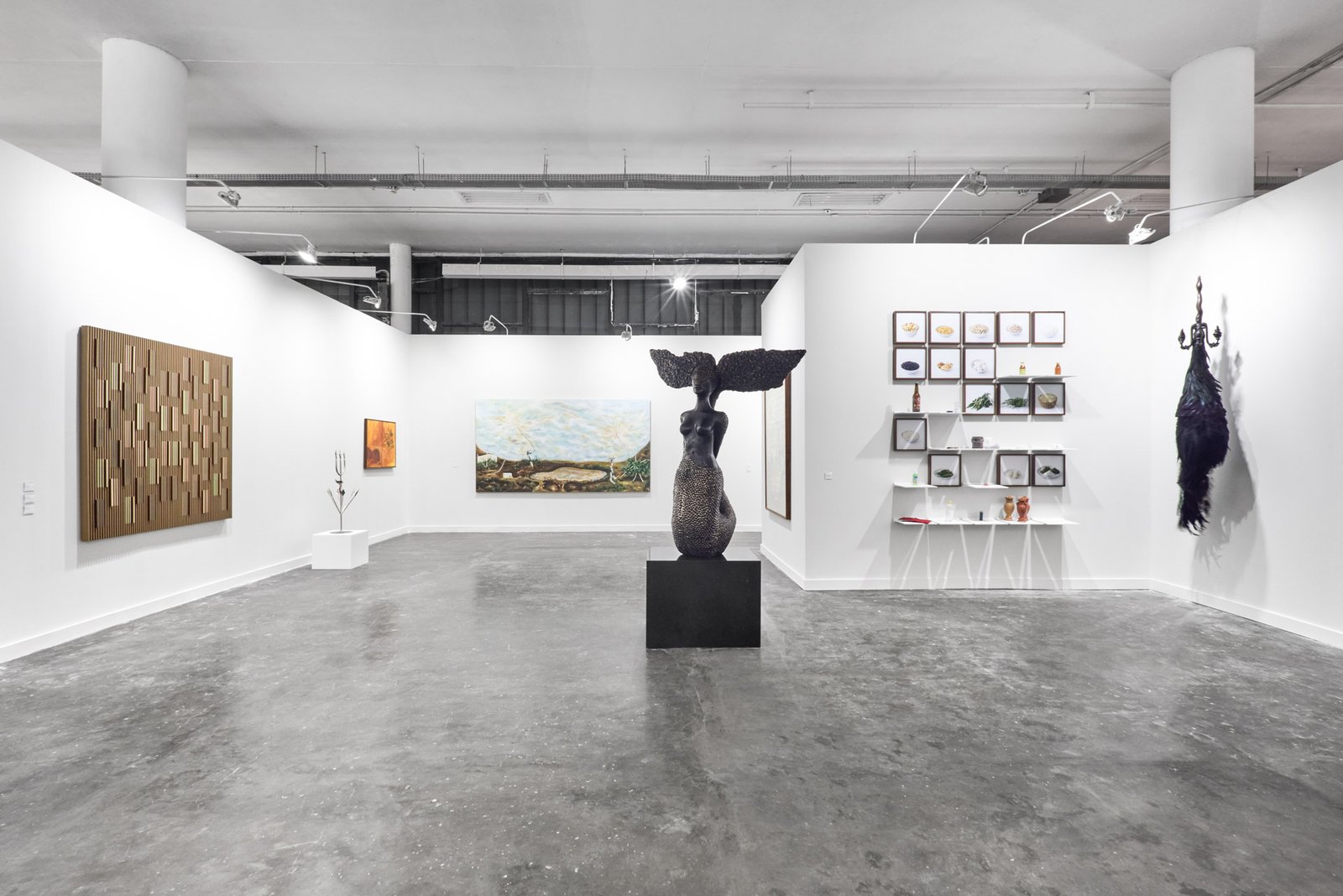
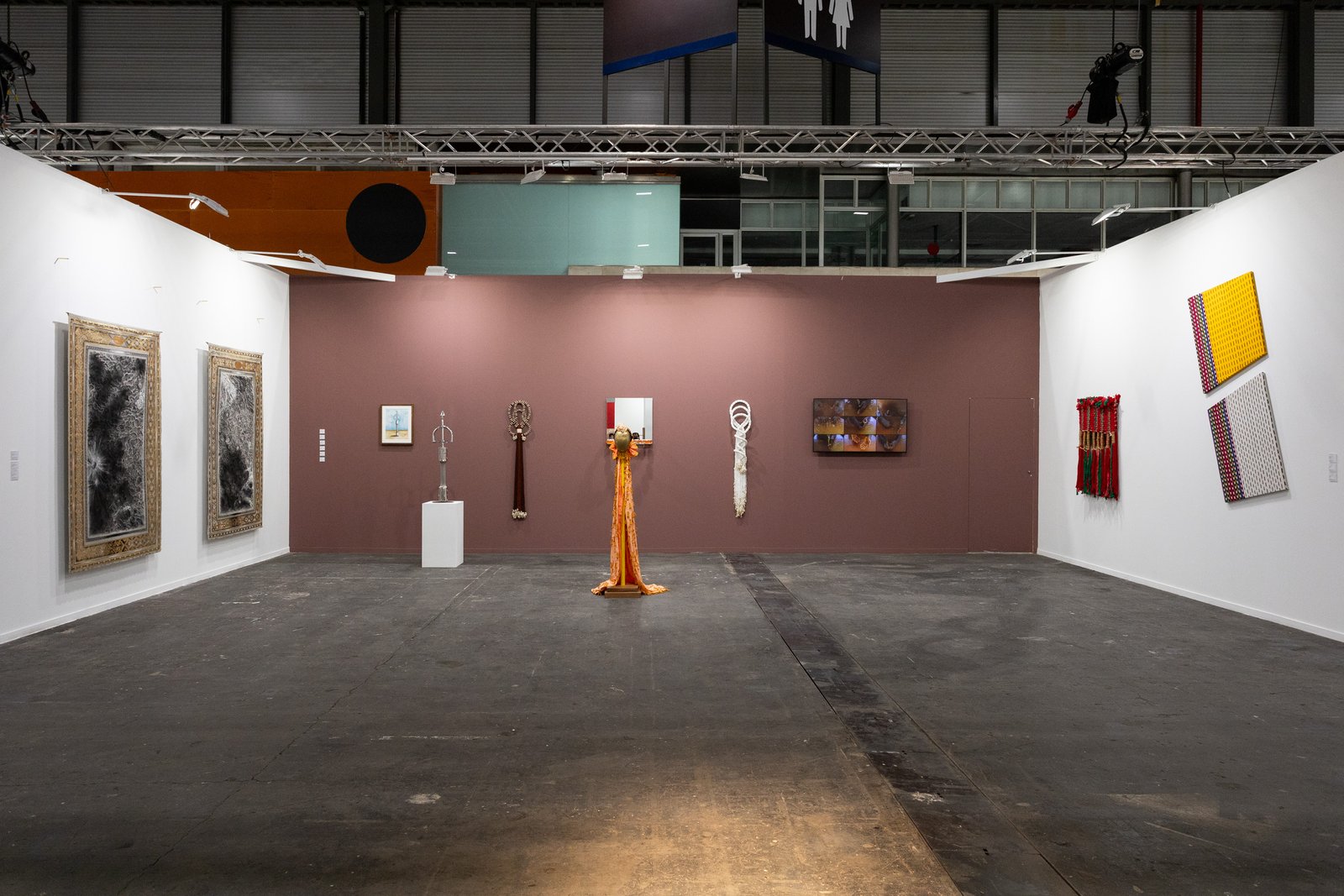
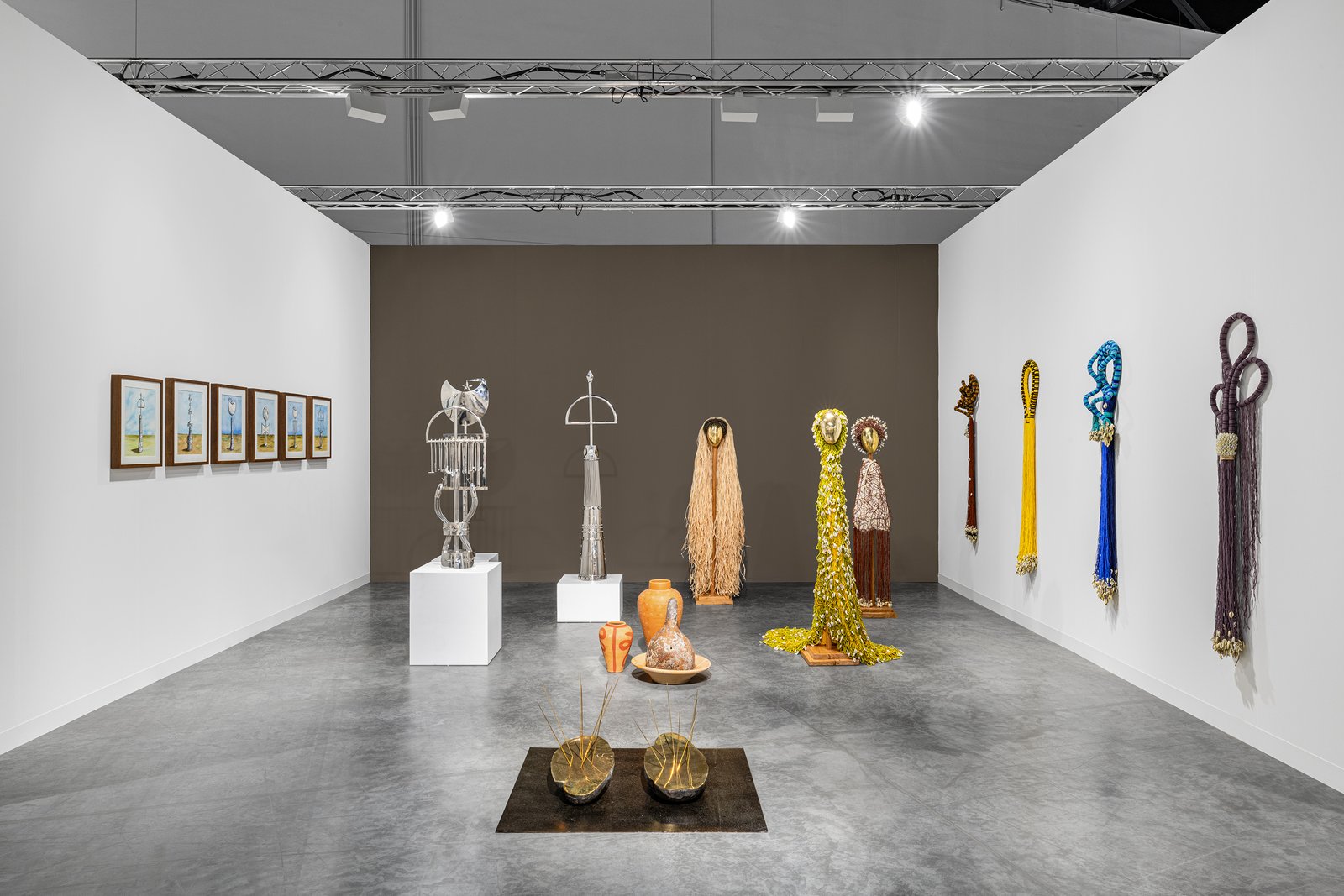
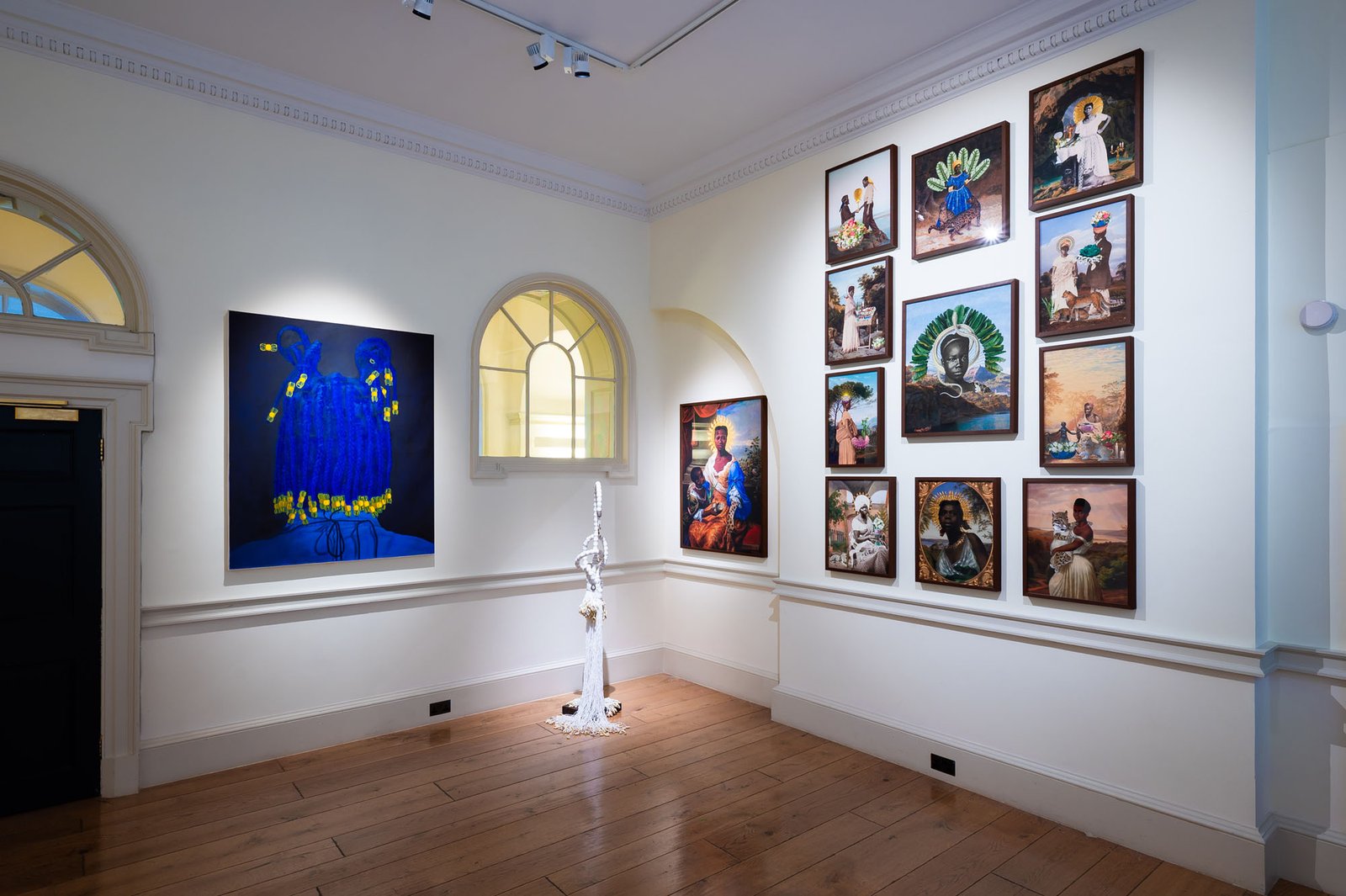
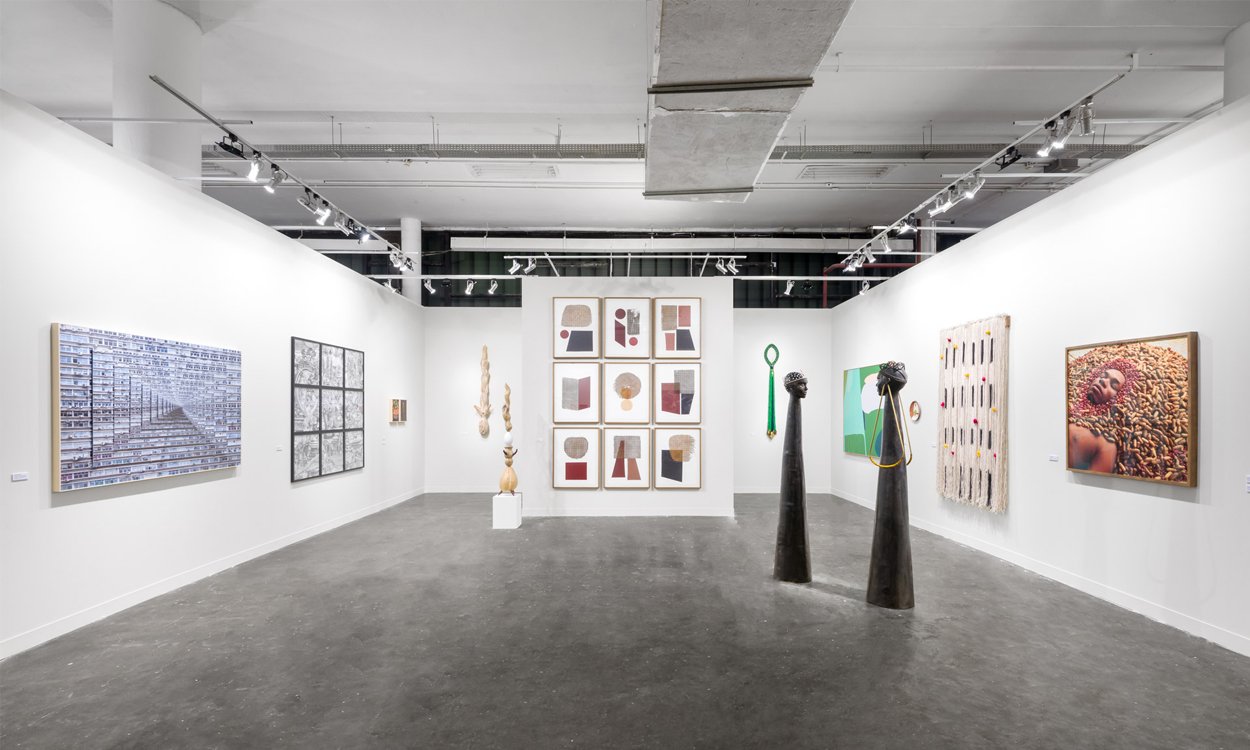
Nádia Taquary draws upon the rich cultural currents of pre-colonial Africa, centering what she describes as the “protagonism of the Black feminine” as a guiding force in her artistic practice. Her sculptures and installations function as conduits of ancestral knowledge, imbued with the vibrant chromatic languages and symbolic systems of African cosmologies. Through her work, Taquary interrogates and dismantles eugenic, Eurocentric, and patriarchal narratives that have historically restricted access to, and understanding of, the depth and complexity of African cultural legacies.
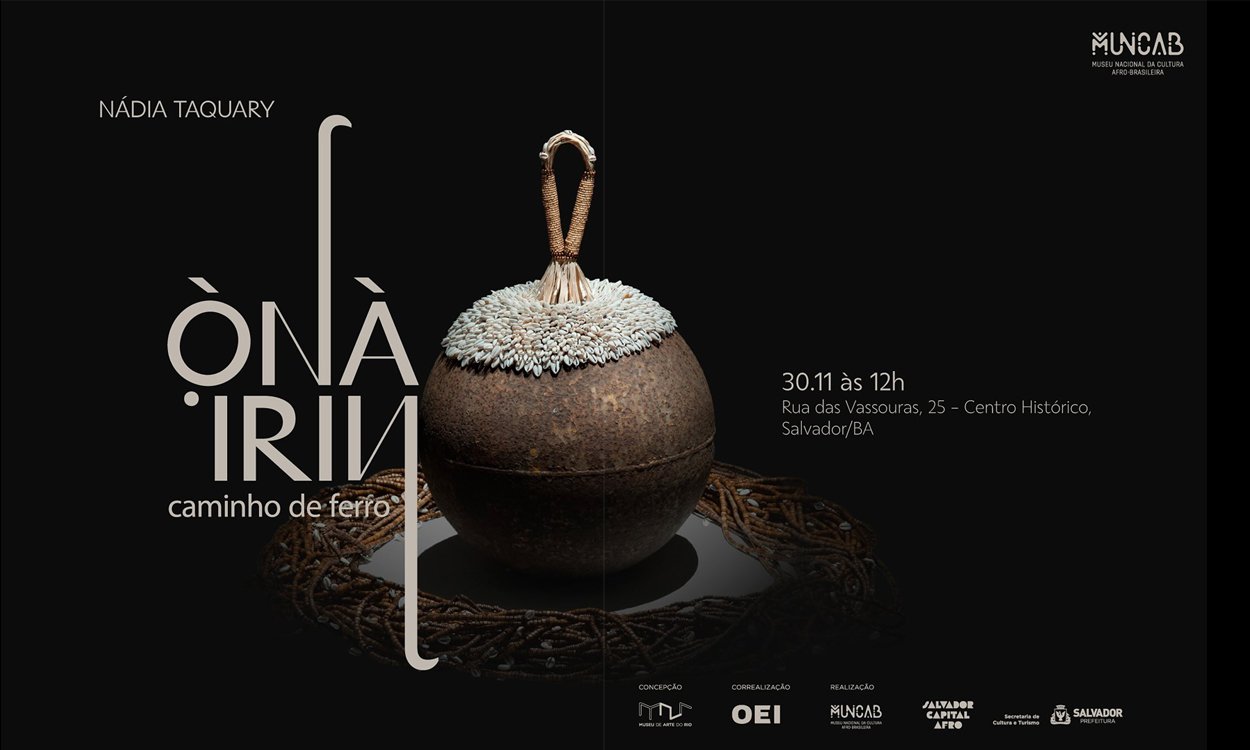
Recent projects include the acclaimed solo exhibition Ònà Irin: Caminho de Ferro, presented in three Brazilian cities – Rio de Janeiro, Salvador, and São Paulo. She was also a featured artist in the 36th Bienal de São Paulo, where she presented the commissioned installation Ìrókó: The Cosmic Tree.
Recent participation in other biennials and group exhibitions includes: Bienal Internacional de Arte de Antioquia y Medellín, Colombia; 15th Bienal de La Habana, Cuba; 24th Biennale of Sydney, Australia; Musafiri, Haus der Kulturen der Welt (HKW), Berlin, Germany; Spiritual Form, El Museo del Barrio, New York, USA; Shapes of Water, Museu de Arte Moderna do Rio de Janeiro (MAM Rio), Brazil; Red Atlantic, Palais des Nations, Geneva, Switzerland; The Precious Life of a Liquid Heart, Institute for Studies on Latin American Art (ISLAA), New York, USA (2023), among others.
Taquary holds a degree in Vernacular Literature and completed postgraduate studies in Education, Aesthetics, Semiotics, and Culture at the Federal University of Bahia.
Her works are included in major national and international institutional collections, including: Pérez Art Museum Miami (PAMM), USA; Museum of Arts and Design (MAD), New York, USA; Institute for Studies on Latin American Art (ISLAA), New York, USA; Pinacoteca de São Paulo, Brazil; Inhotim, Brumadinho, Minas Gerais, Brazil; Museu de Arte do Rio – MAR, Rio de Janeiro, Brazil; and Mumseu de Arte Moderna da Bahia (MAM–BA), Brazil.