In the main section of ARCOmadrid 2026, which runs from 4–8 March, Portas Vilaseca presents a selection of works in which manual labour revives ancestral legacies. The hands of the artists, sometimes visible within the works themselves, sometimes revealed only through the traces of their gestures, evoke multiple temporalities, intersections, and places, forging new realities.
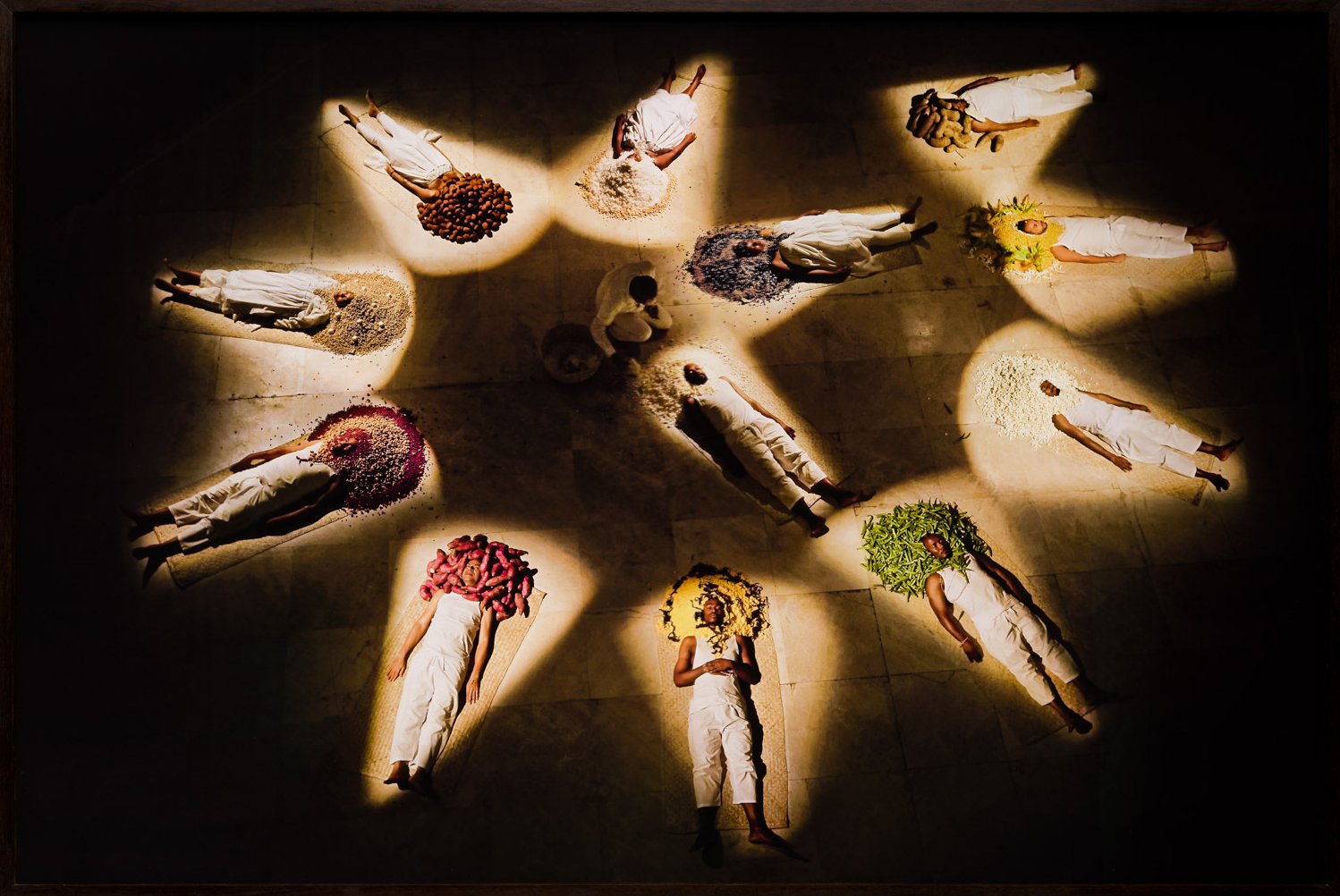
Highlighted is a selection of works by Ayrson Heráclito (1968, Bahia, Brazil), which explore the richness of palm oil, a vital element of Afro-Brazilian religiosity that the artist describes as “ancestral vegetal blood”. In the video As Mãos do Epô, black hands perform intricate choreographies that ritualise healing and protection through this sacred fluid. In Barruequito, palm oil is used in a similar way to evoke the cultural matrix of Afro-Brazilian identity and its connections with the African diaspora in the Americas. Heráclito also presents a sculpture and a watercolour from his acclaimed Juntó series, in which ancestral traditions merge with Afrofuturism. In this series, the artist explores insignias and ritual objects associated with the Candomblé pantheon, engaging in a dialogue on the convergence of the entities that guide and govern us.
Nádia Taquary (1967, Bahia, Brazil), in turn, channels the profound cultural currents of the African continent in her Dinkas series, meticulously handcrafted pieces that revive the traditions of Black women. Referencing the jewellery of the crioulas, these adornments symbolise the fusion of ancestral African knowledge transplanted to Brazil, establishing a tangible bridge between past and present.
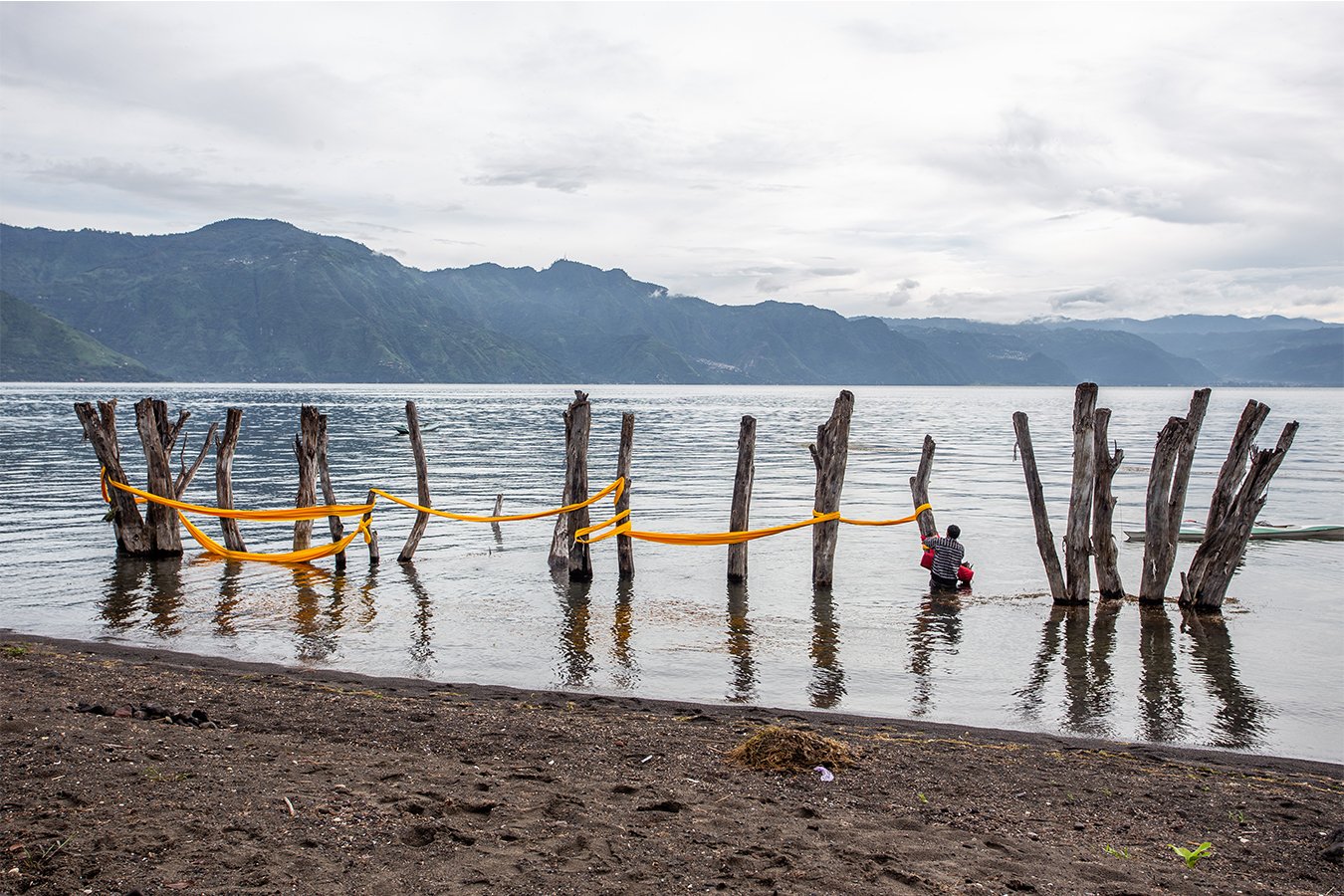
Manual practices are situated within specific territories in the textile works of Antonio Pichillá (1982, San Pedro La Laguna, Guatemala), a Tz’utujil Maya artist based in the Lake Atitlán region. His works celebrate ancestral traditions and exalt the wisdom of indigenous women, transmitted through the work of their hands, while critically engaging with the rules and structures that have shaped modernity.
Engaging with notions of displacement and occupation, Emilia Estrada’s (1989, Córdoba, Argentina) practice confronts the ways in which power is inscribed in archives and spatial representations. By investigating the gaps and omissions of official records, Estrada excavates buried memories and proposes alternative readings of hegemonic historical narratives. The history of colonisation is examined in her Andalucía series. This body of work establishes connections between lunar nomenclature (selenography) and the colonial toponyms of the so-called New World: the Moon as a mirror of the Earth, and naming as a strategy of domination during European expansion.
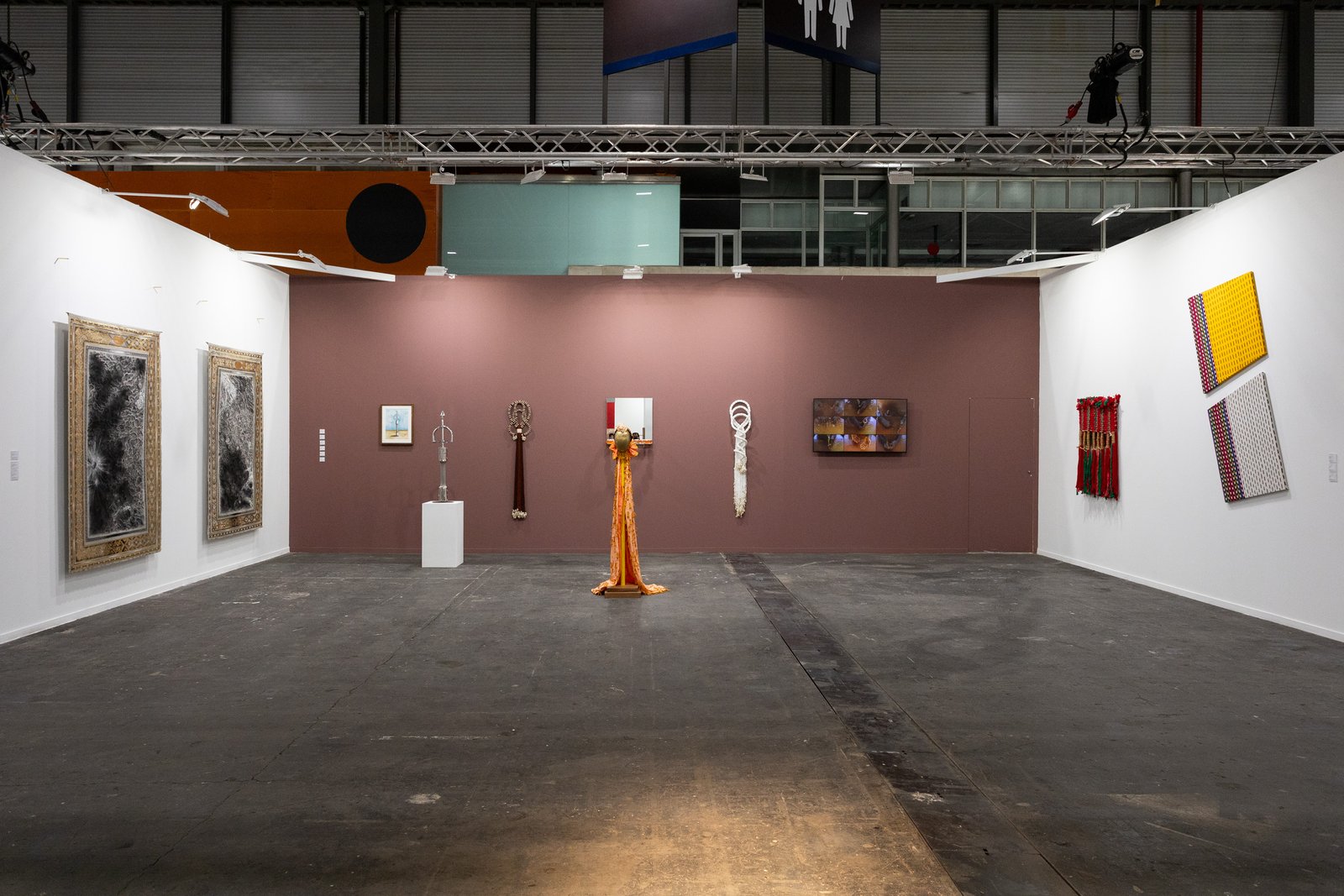
In summary, objects, textiles, drawings, paintings, sculptures, and videos on display at the gallery’s stand (7C22) offer a profound reflection on the enduring value of tradition in the face of erasures perpetuated by colonial and post-colonial policies across Latin America.
Portas Vilaseca at ARCOmadrid 2026
Main Section – Stand 7C22
Ifema Madrid, 4–8 March 2026