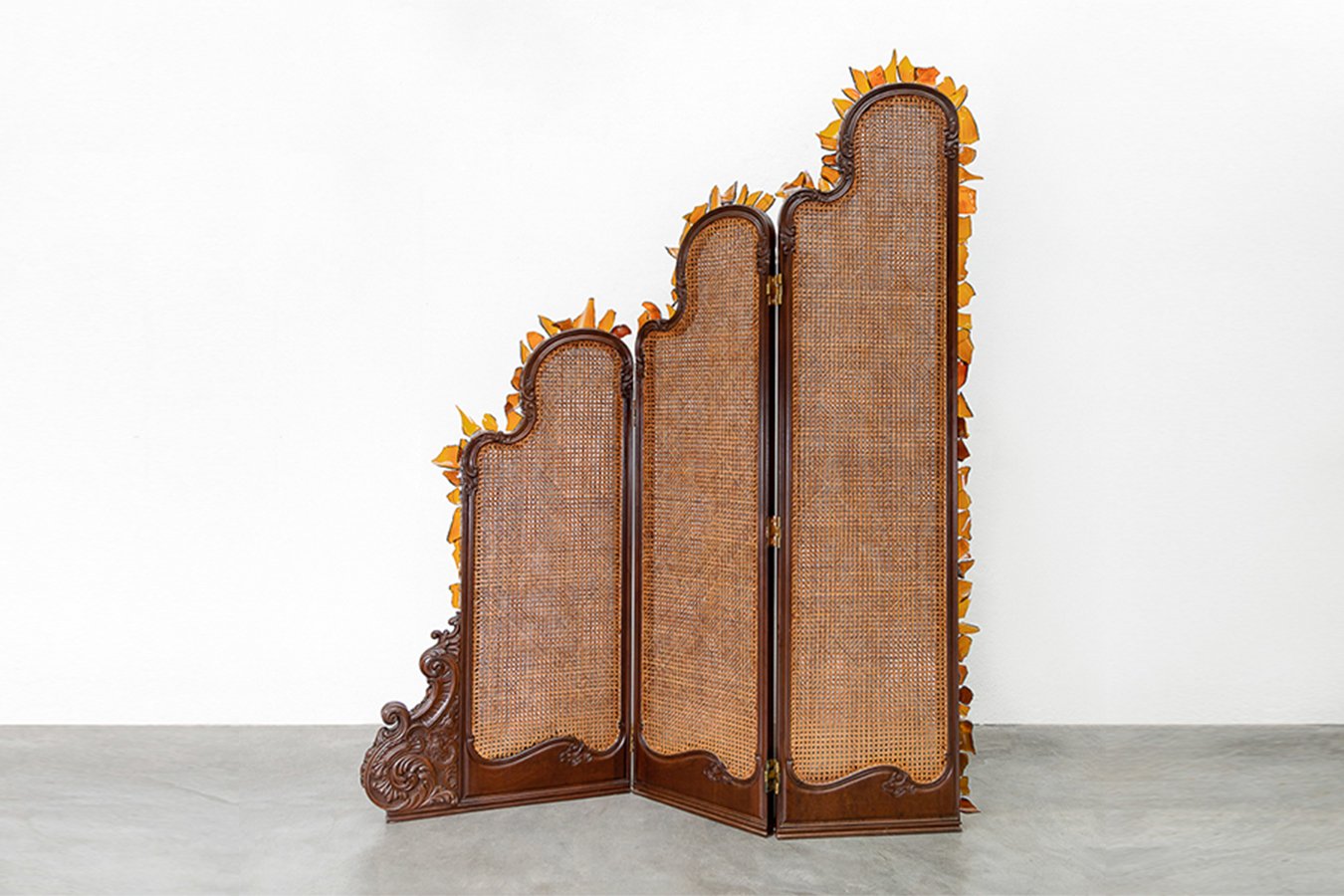
On March 26, we open the exhibition “Manejo”, artist Mano Penalva‘s new solo show at the gallery, featuring a critical text by curator and art historian Renato Menezes. The exhibition brings together a set of objects, sculptures, installations, and ready-mades that investigate the relationships between technique, popular culture, food, language, and everyday economics in Brazil.
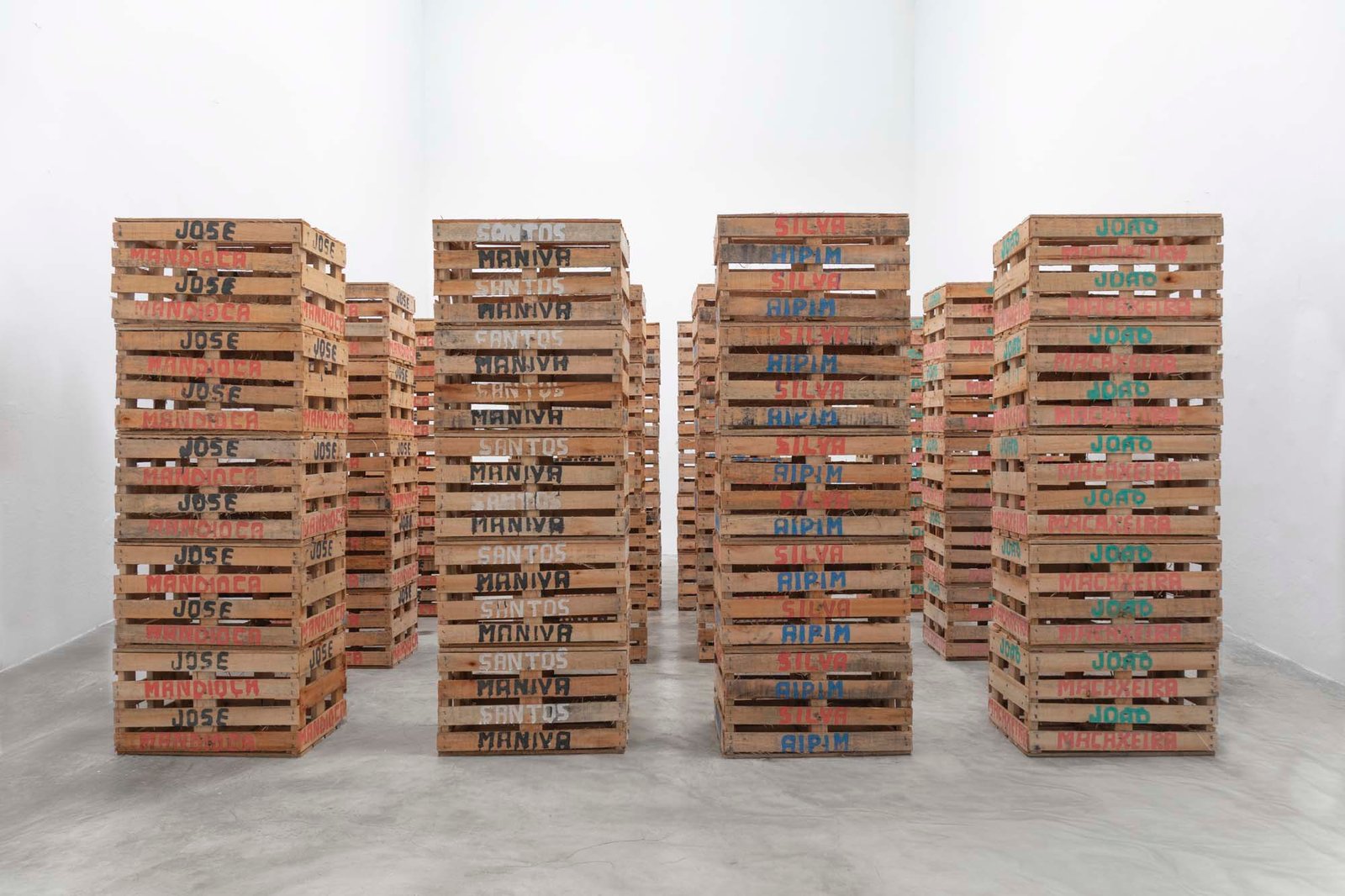
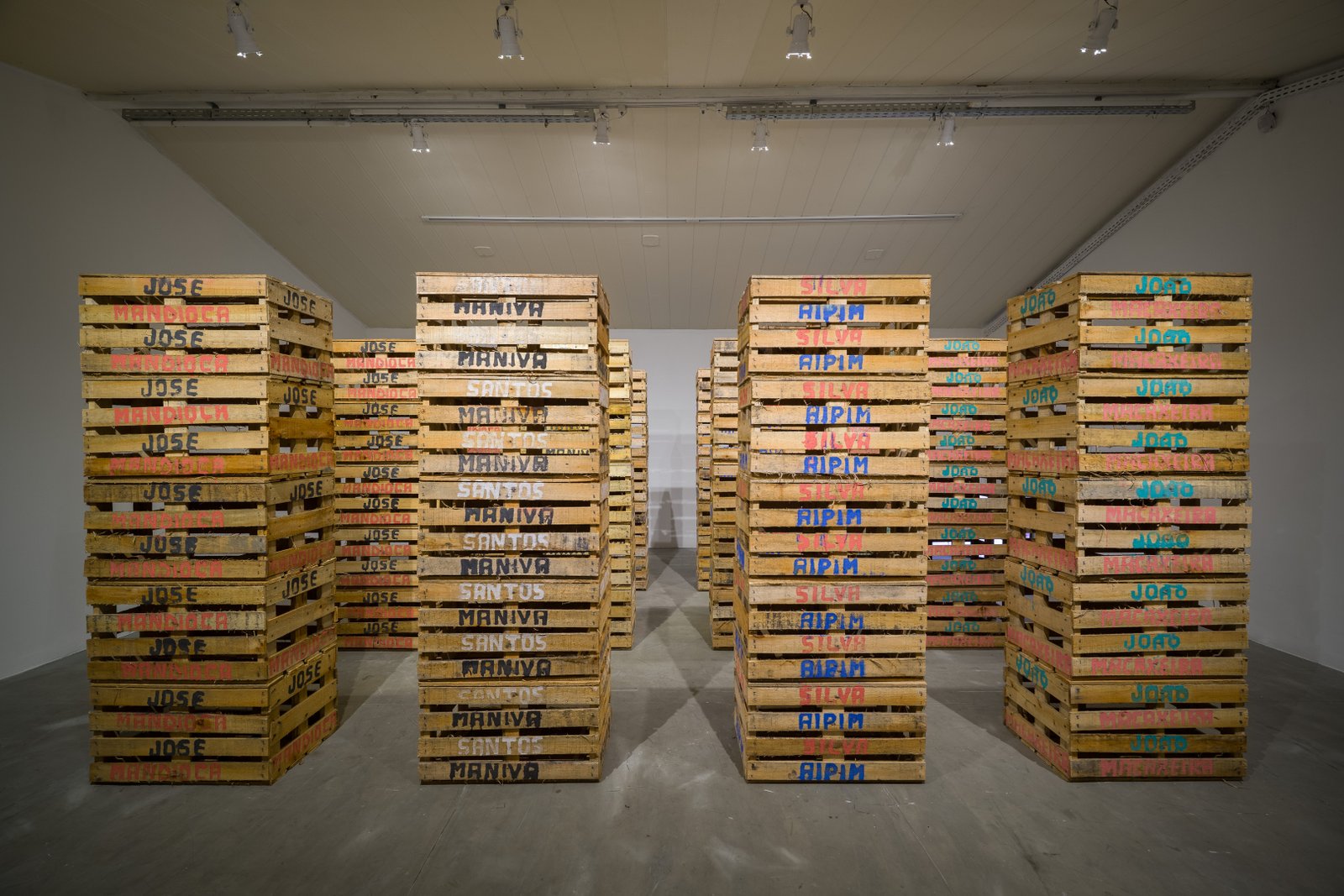
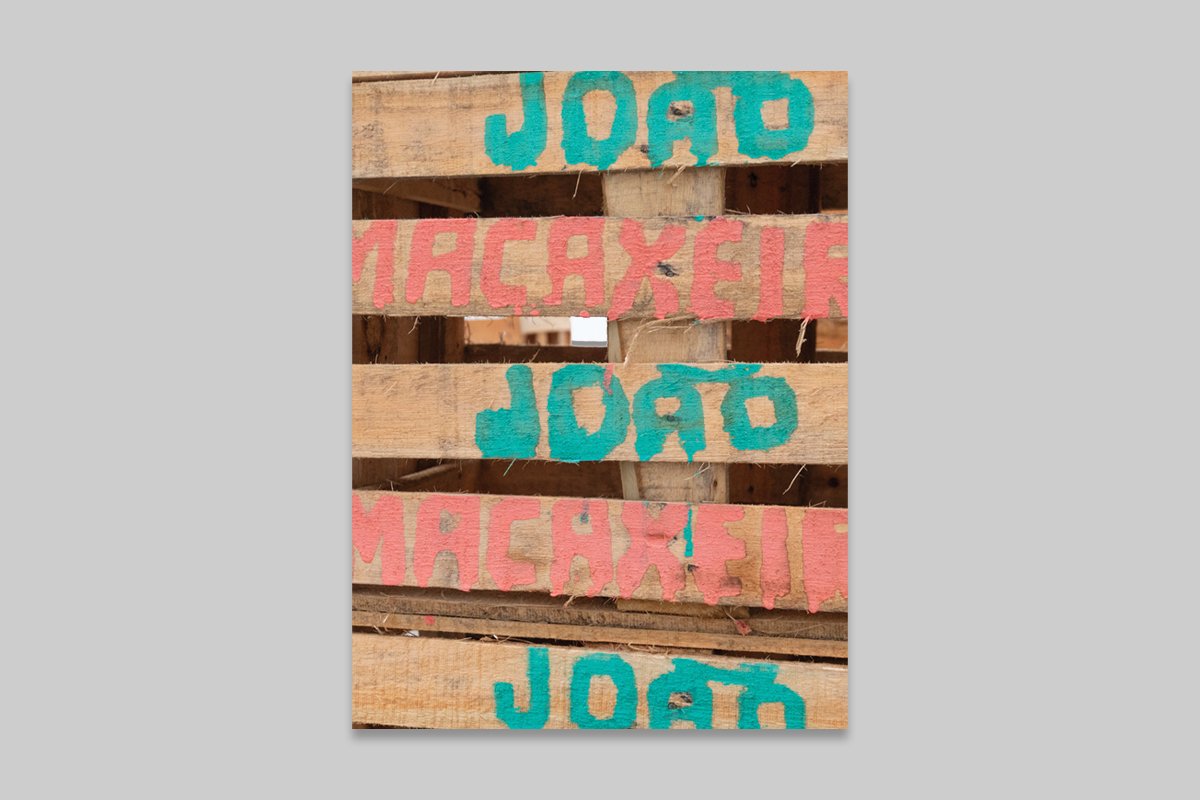
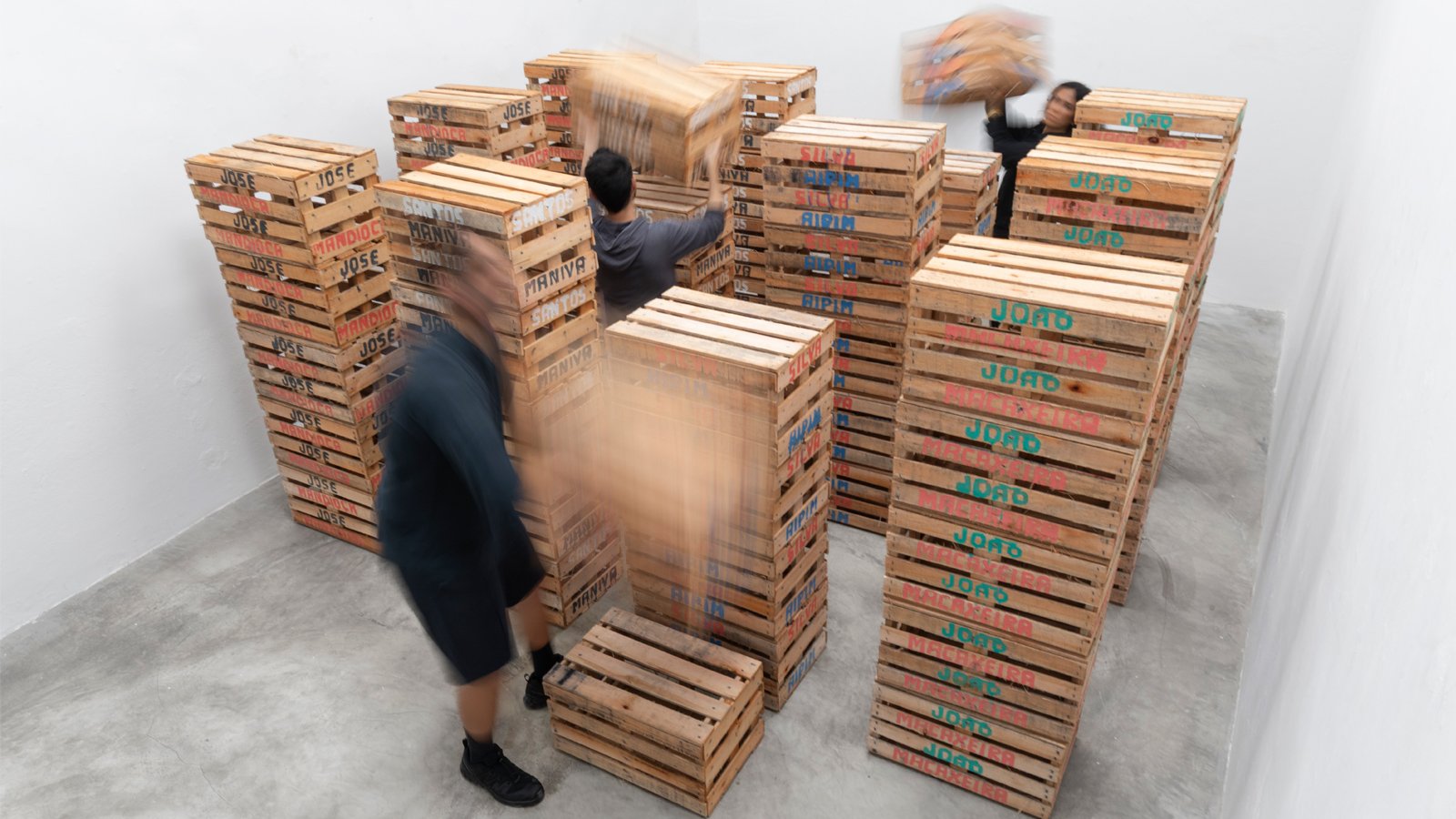
The title of the exhibition comes from the installation that occupies the gallery’s upper floor. Entitled “Manejo”, the work is composed of sixty painted market crates stacked like totems, evoking the idea of manejo (handling or management) as a practice that combines repetition, experience, and intuition. By organizing these crates — ordinary objects used for circulation and transport — Mano Penalva transforms a commonplace element into a support for a symbolic reading of Brazil, as if composing the country from its most common materials.
On the slats of the crates appear pairs of names painted in vibrant colors — José/Macaxeira, João/Maniva, Silva/Aipim, Santos/Mandioca — bringing together two fundamental lineages of Brazilian culture: on one side, widely recognized first and last names; on the other, the different names of Manihot esculenta, an ancestral root cultivated for millennia and a staple food in many regions of the country. By crossing human names with plant names, the work connects food, language, and cultural identity, revealing the diversity of histories and traditions that run through Brazil’s formation.
According to Menezes, this field of observation refers to the artisanal tradition and symbolically engages with the figure of Daedalus, the craftsman responsible for constructing the labyrinth that imprisoned the Minotaur. As in the myth, Penalva’s works suggest that technique rarely develops in a straightforward manner: it is built along winding paths, shaped by trial, improvisation and practical learning.
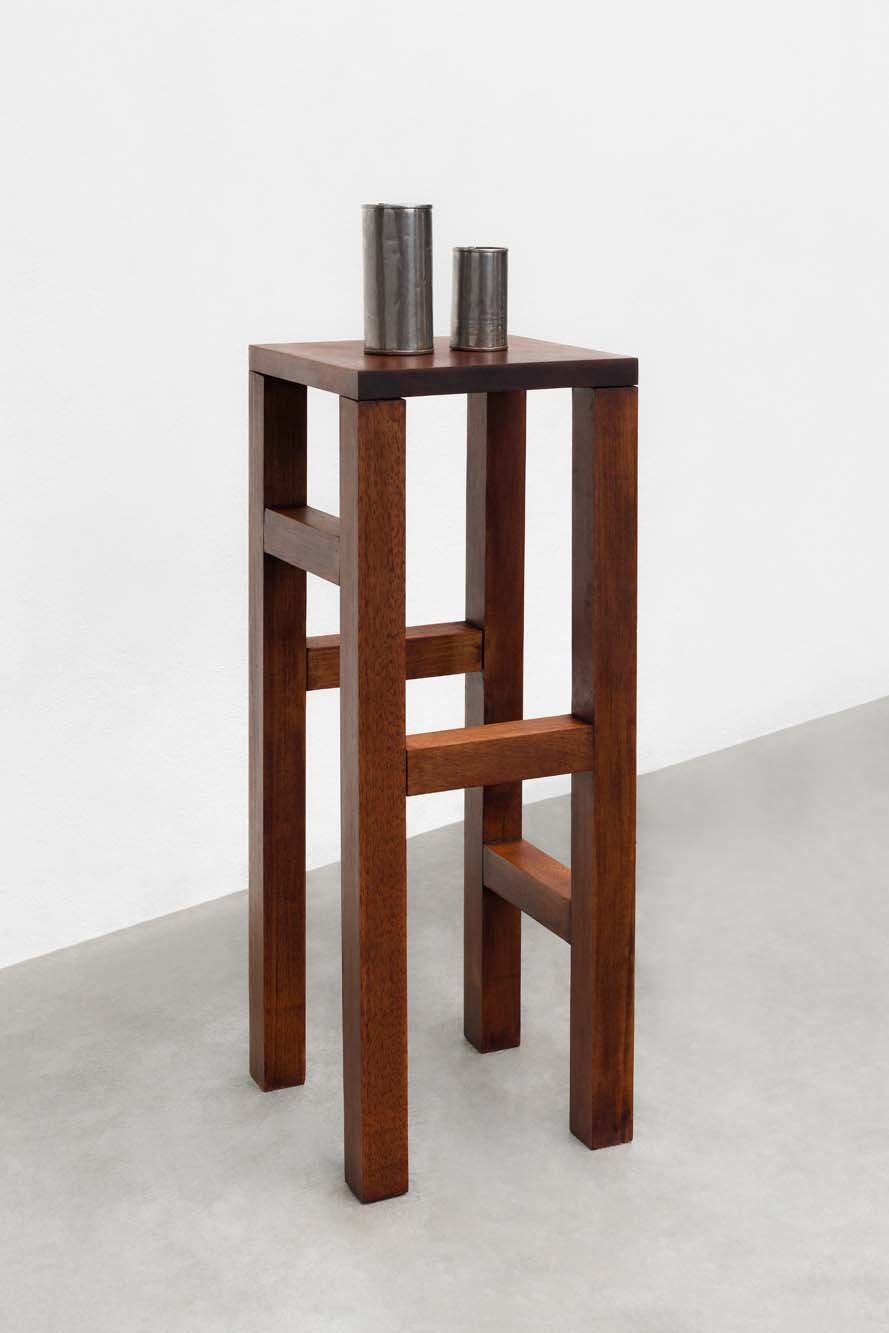
Among the other works on display is “Um tanto e meio” [A Tad and a Half] (2020), a piece composed of two metal cans of different sizes placed on a raw wooden base. The simple gesture revisits the modern tradition of the ready-made to reflect on informal systems of measurement present in everyday language. Expressions such as “a tad”, “a little” or “a bit” appear as flexible indicators of quantity, replacing numerical precision with a logic based on sensory experience.
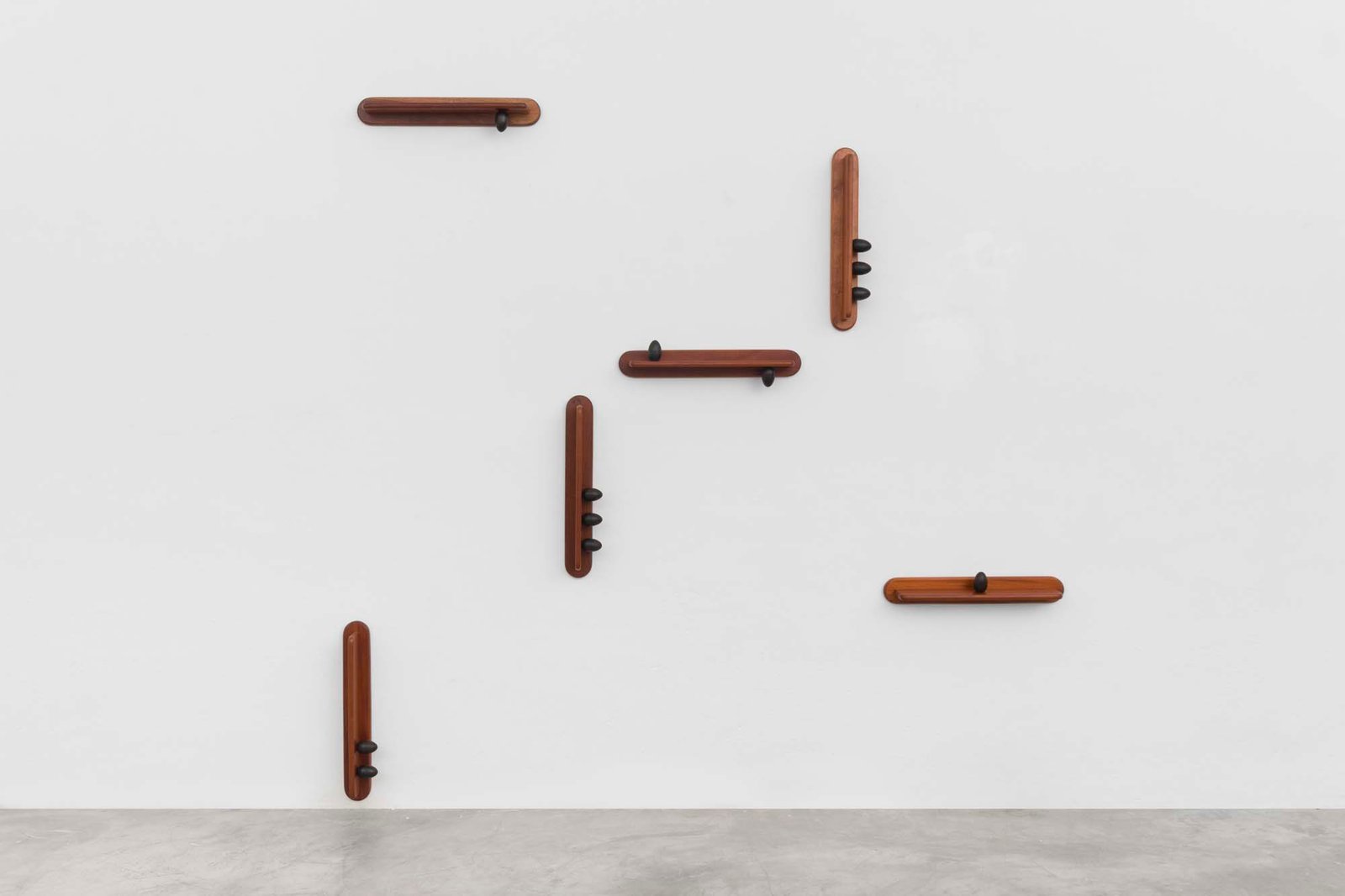
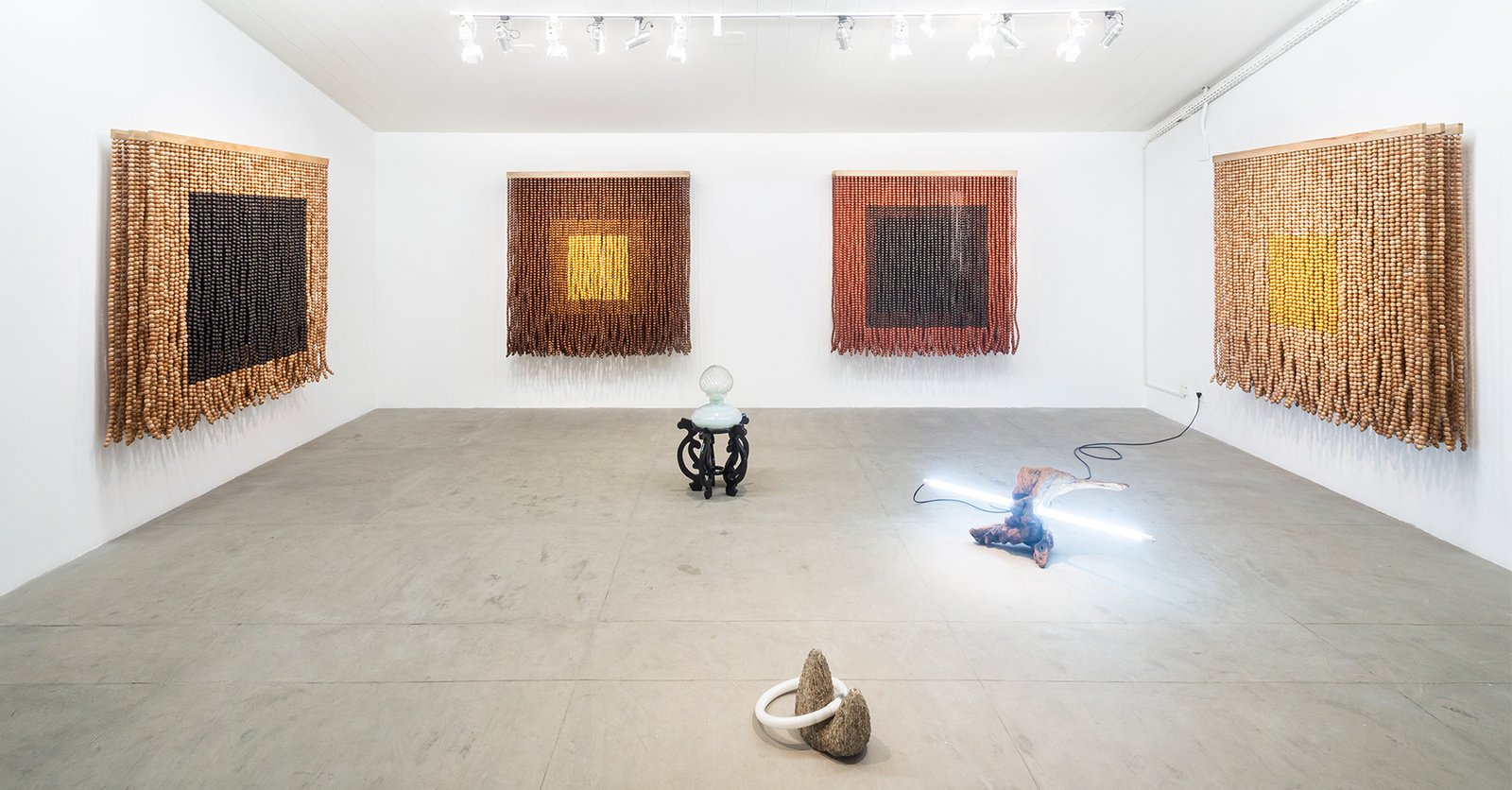
This investigation continues in “Dúzia” [Dozen] (2022), an installation consisting of wooden shelves and dyed wooden eggs arranged on the wall. By displacing the usual meaning of the word “dozen”, the work transforms a fixed number into an imprecise, contextual marker, suggesting popular methods of counting that escape the rigidity of mathematical systems.
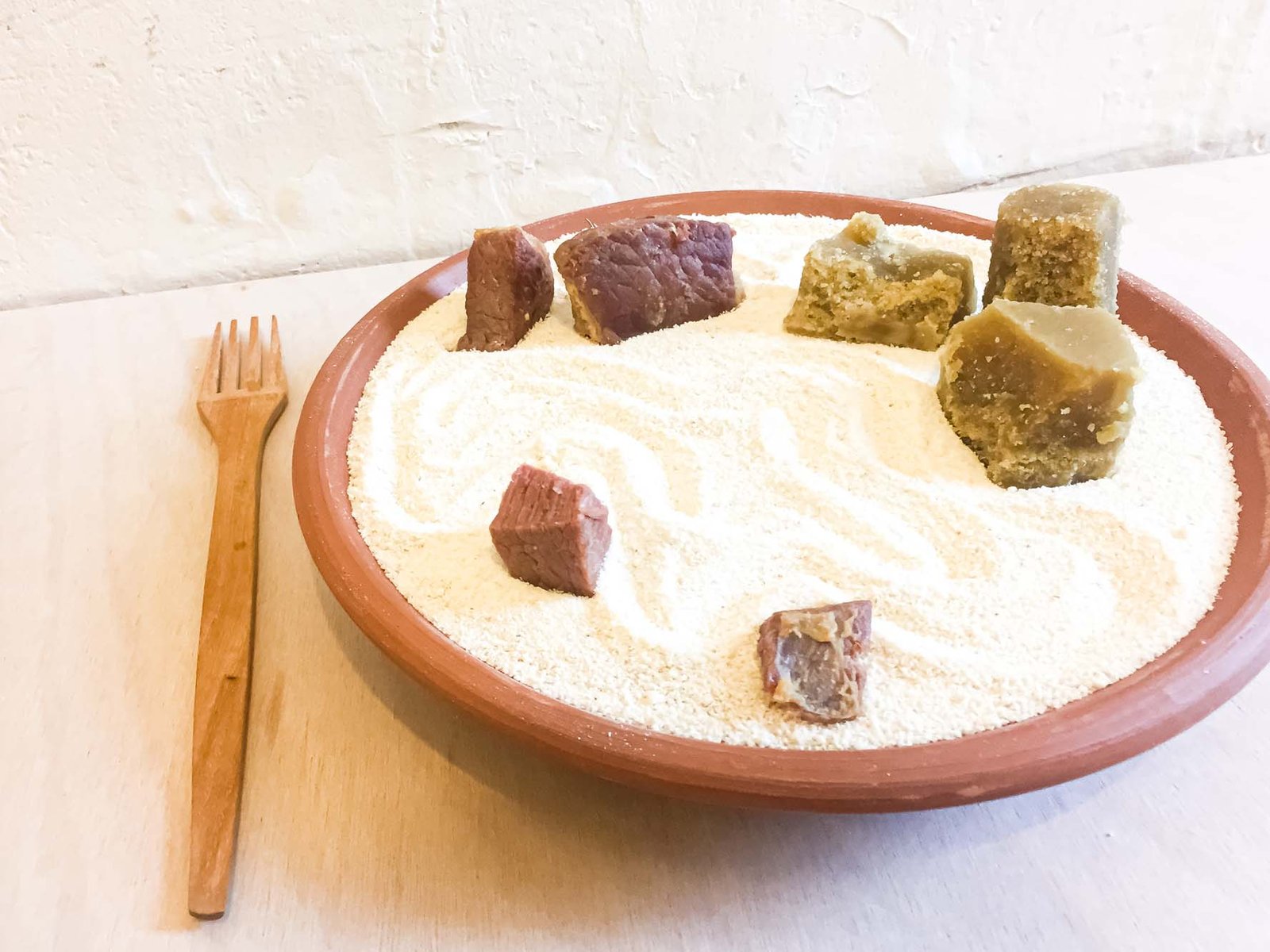
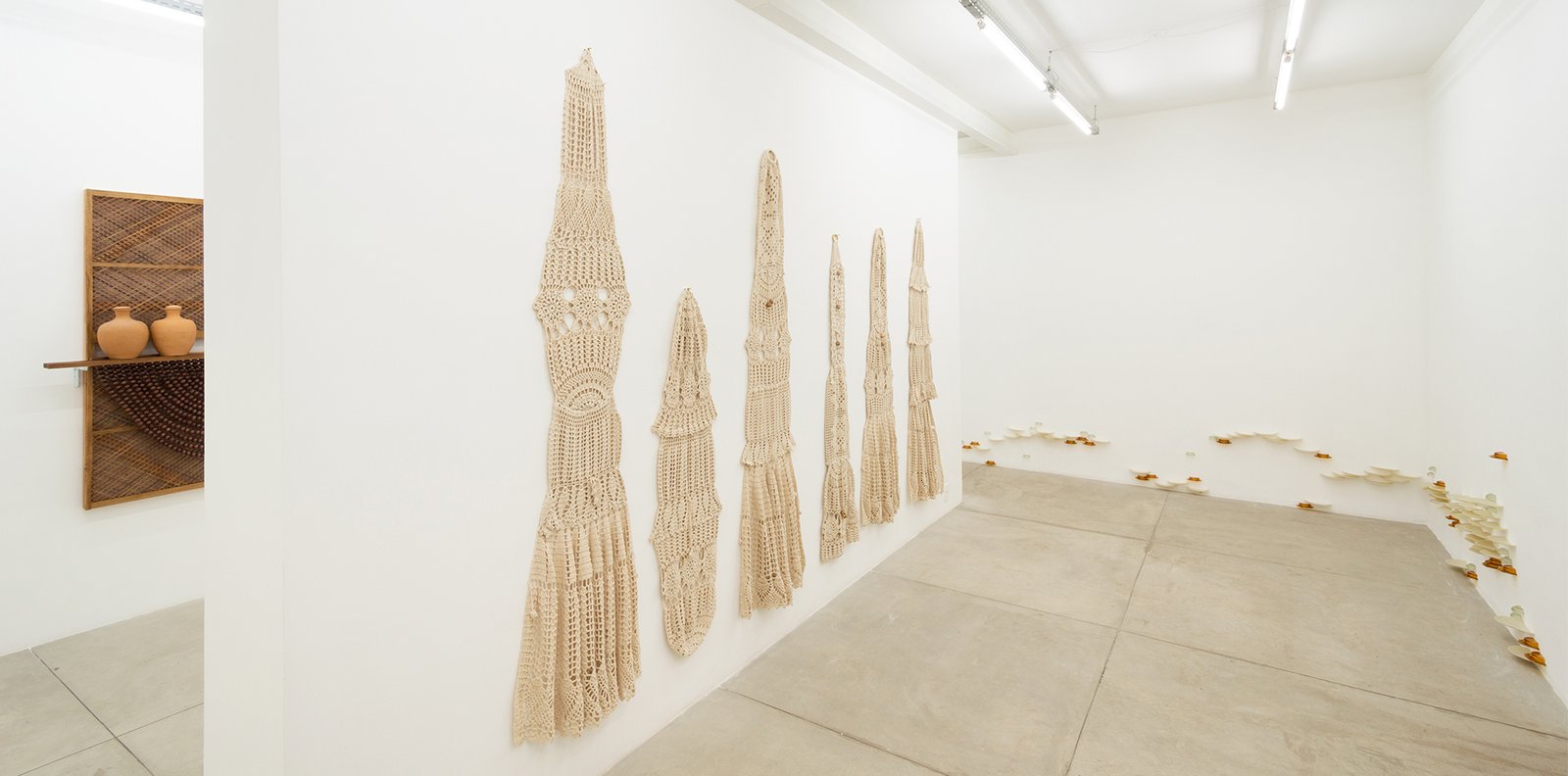
The relationship between food, culture and language runs through several works in the exhibition. In “Natureza-morta – Jardim sintético” [Still Life – Synthetic Garden] (2016), clay plates hold flour, dried meat and rapadura arranged in a composition evoking both Japanese gardens and ritual offering practices. The work establishes a dialogue between pictorial tradition, food culture and religiosity.
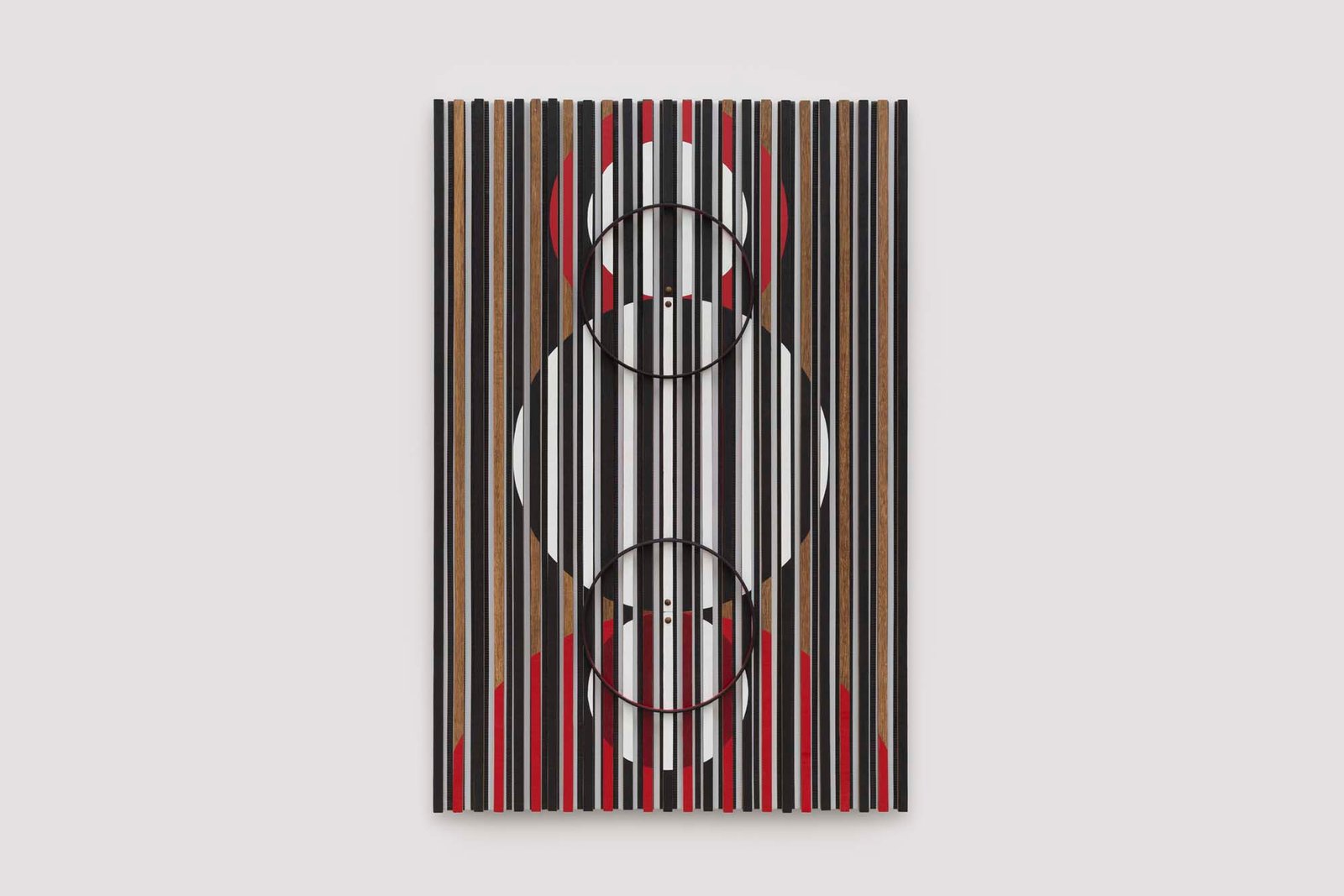
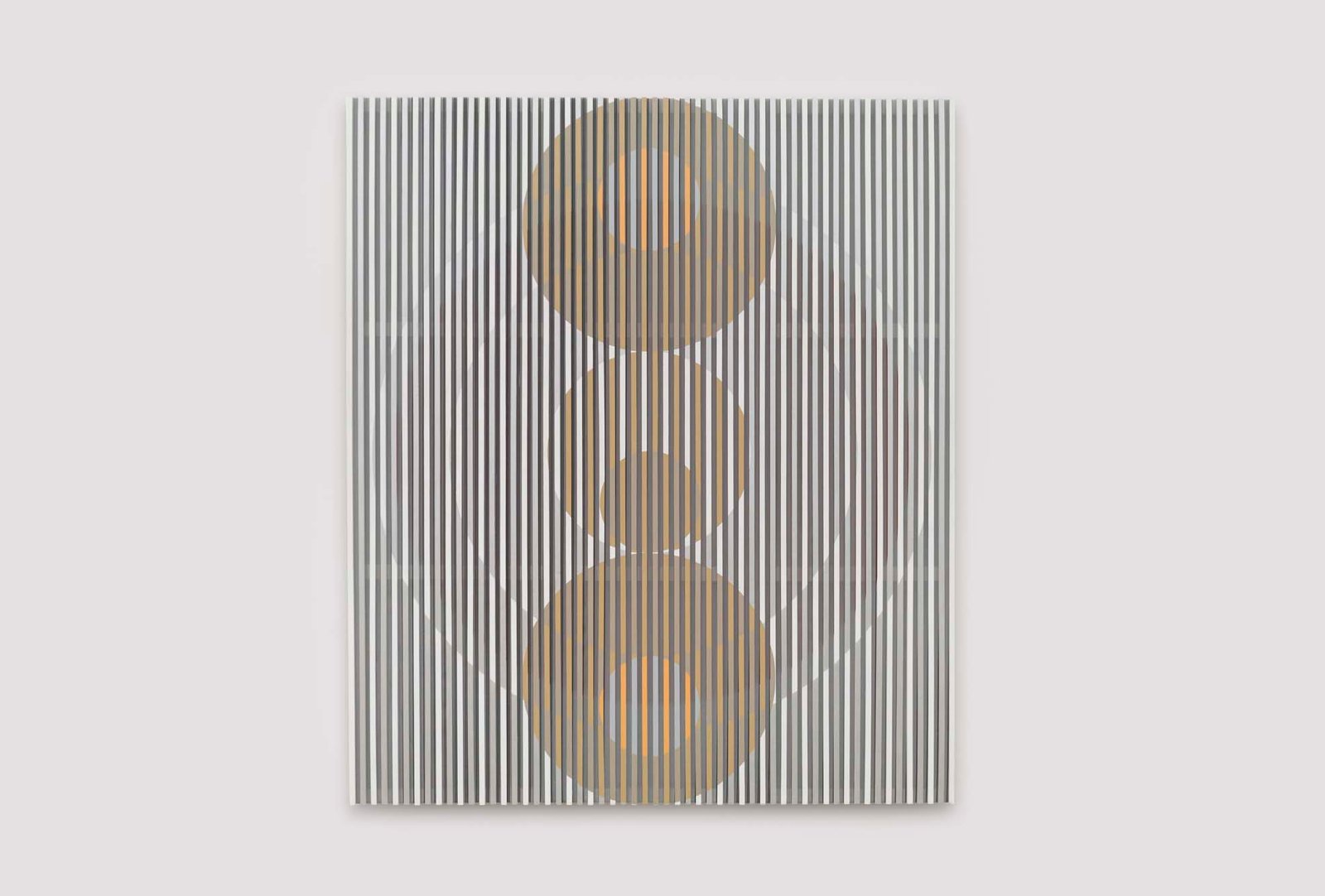
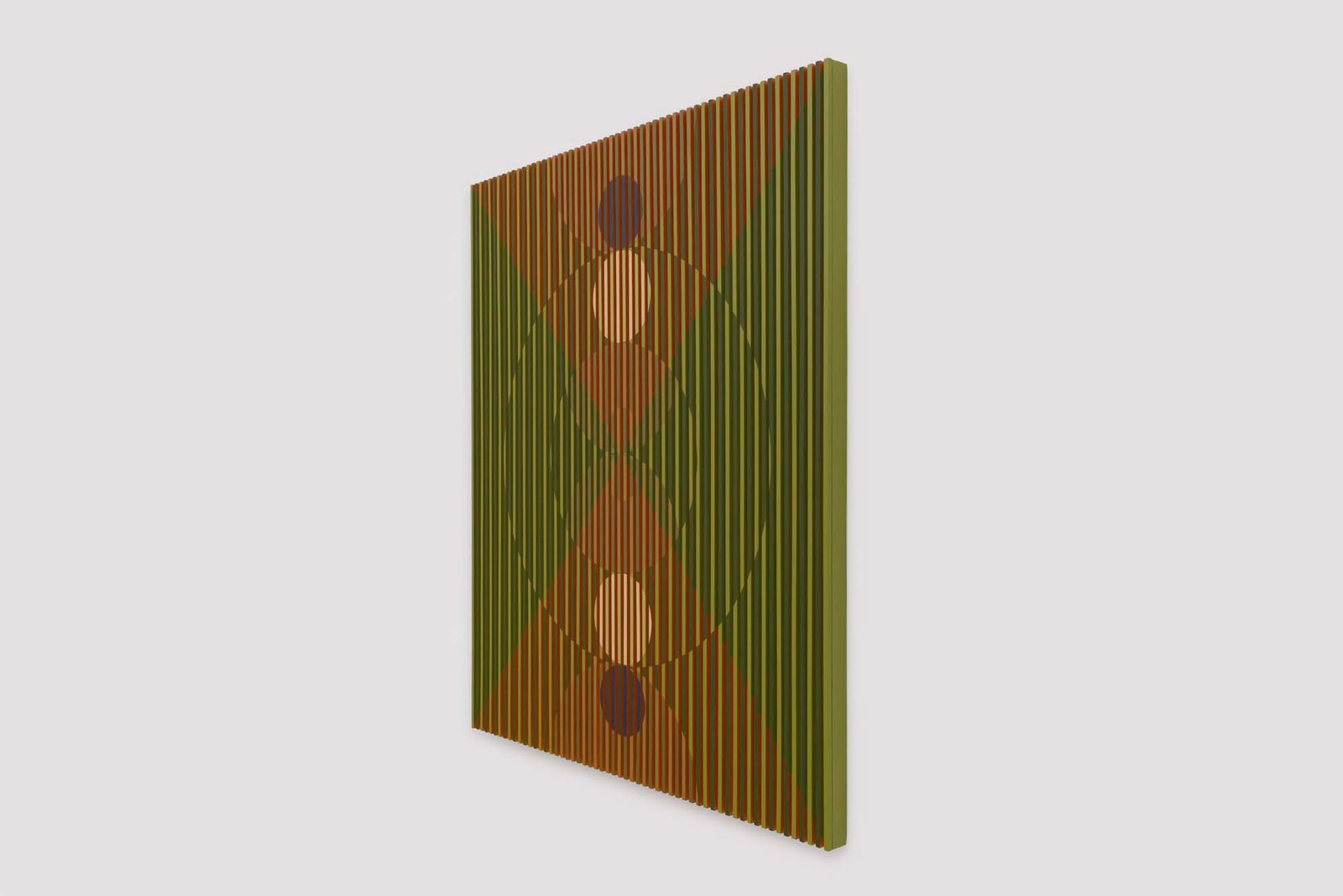
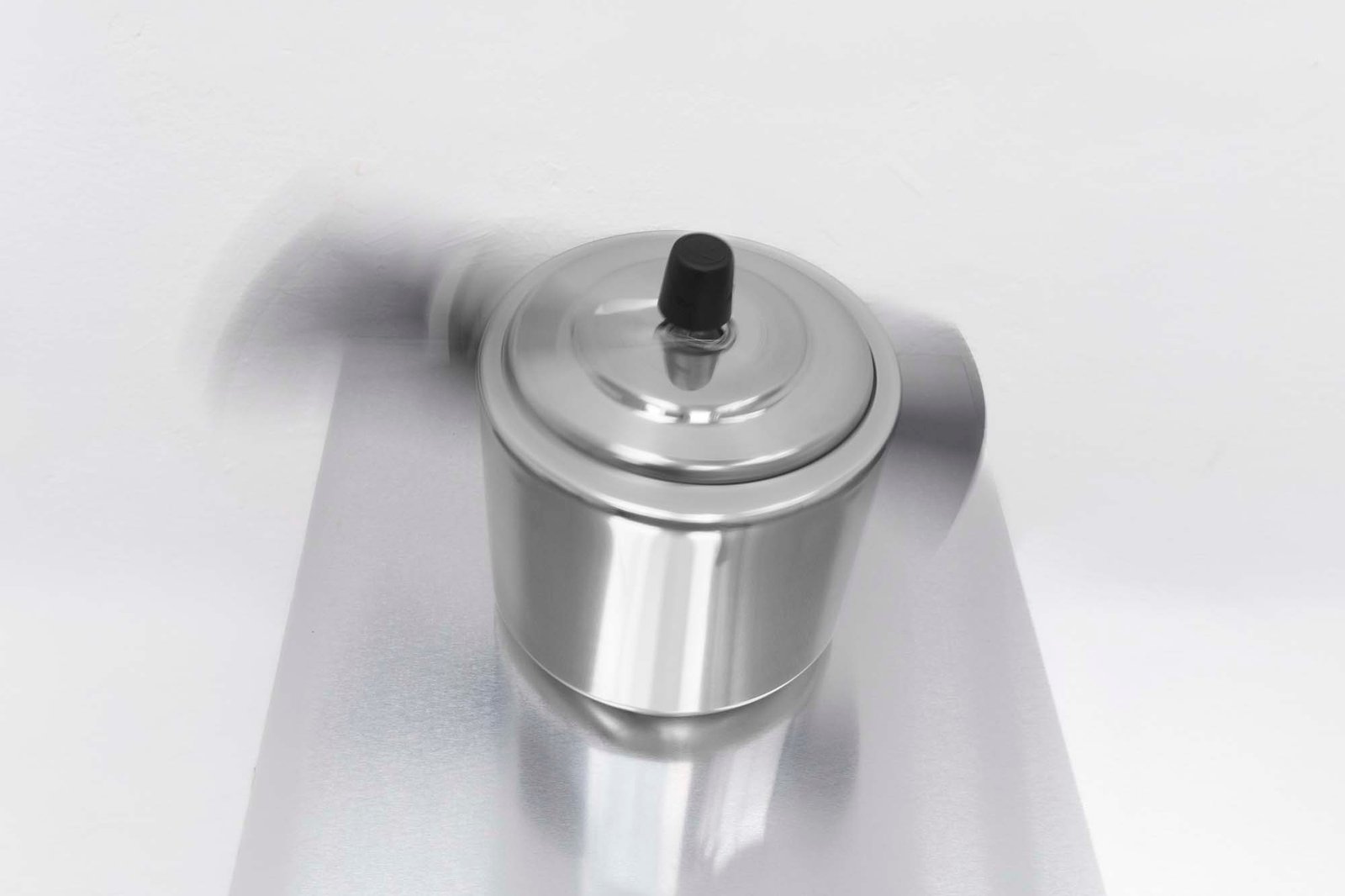
Another highlight is “Peão” [Builder], an installation in which a pressure cooker continuously spins on its own axis, simultaneously evoking the movement of a spinning top and the rotation of a clock. The work suggests a reflection on the time associated with food, the act of waiting, and the urgency of hunger — an idea often linked to the sociologist Herbert de Souza’s phrase: “those who are hungry are in a hurry”. The piece formally dialogues with works from the “Ventana” series, such as Coivara, Moenda, Amanho, Maniva and Komorebi, in which circular structures function as a kind of visual score. In these works, the circle appears as a symbolic form connected to cycles — whether of food preparation, manual labour or time — also suggesting a graphic field open to multiple interpretations.
By bringing together references spanning different areas of culture and everyday experience, “Manejo” proposes a reflection on forms of knowledge produced in daily life and transmitted through experience. In Mano Penalva’s works, the hand gesture, improvisation and practical wisdom become tools to consider systems of value, ways of life, and cultural processes in Brazil. At the same time, the artist mobilises recurring elements of geometry, such as the circle, repetition and modular organisation, linking popular practices and material culture to broader debates in contemporary art.
Exhibition information
Manejo – Mano Penalva
Text: Renato Menezes
Opening: 26 March | 19:00
Exhibition period: 26 March – 9 May 2026
Visiting hours: Tuesday to Friday, 11:00–19:00; Saturday, 11:00–17:00
Portas Vilaseca – Rua Dona Mariana, 137, casa 2 – Botafogo, Rio de Janeiro
Free admission