Salvador, Bahia, Brazil, 1987
Lives and works in São Paulo, SP, Brazil
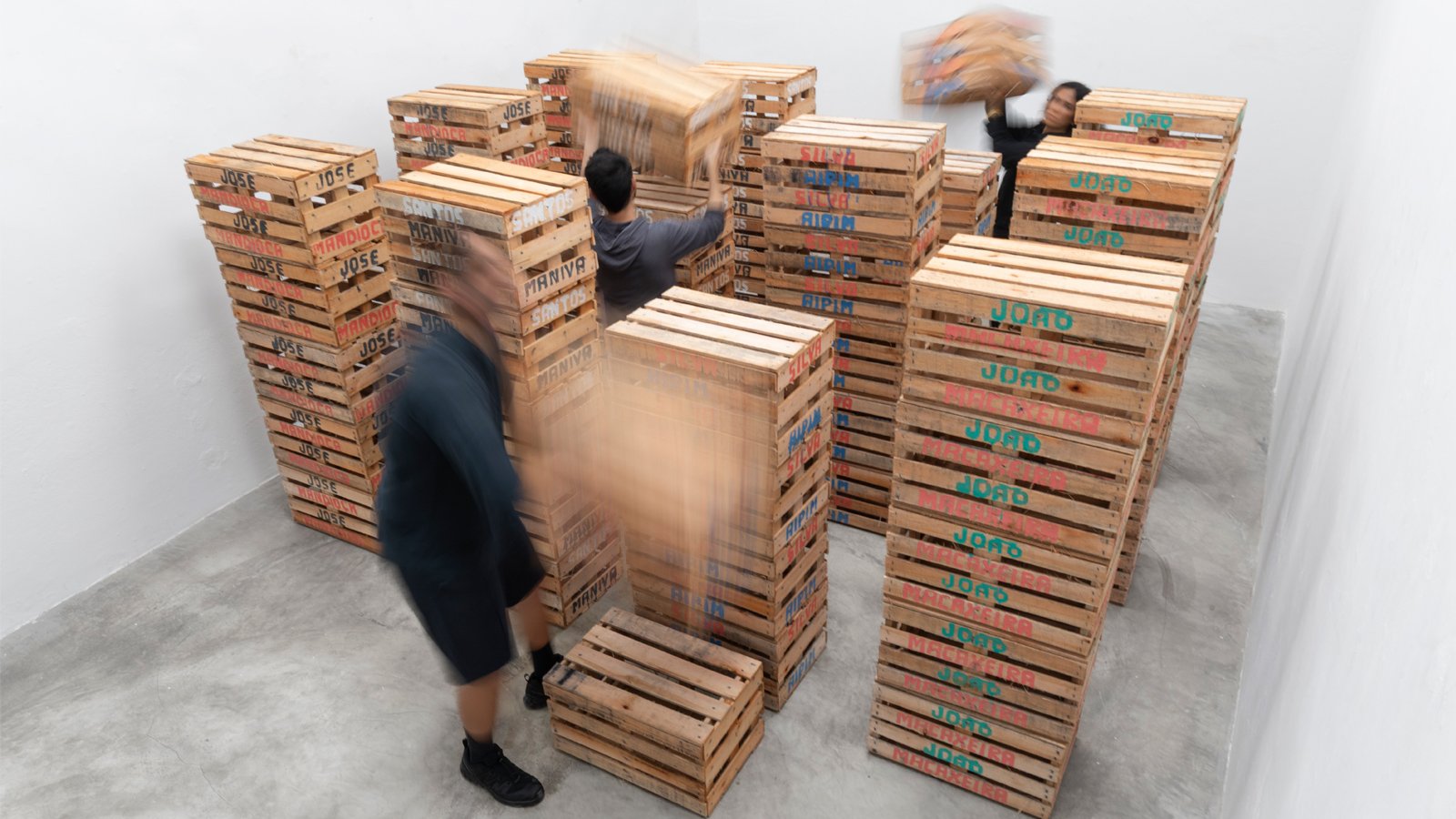
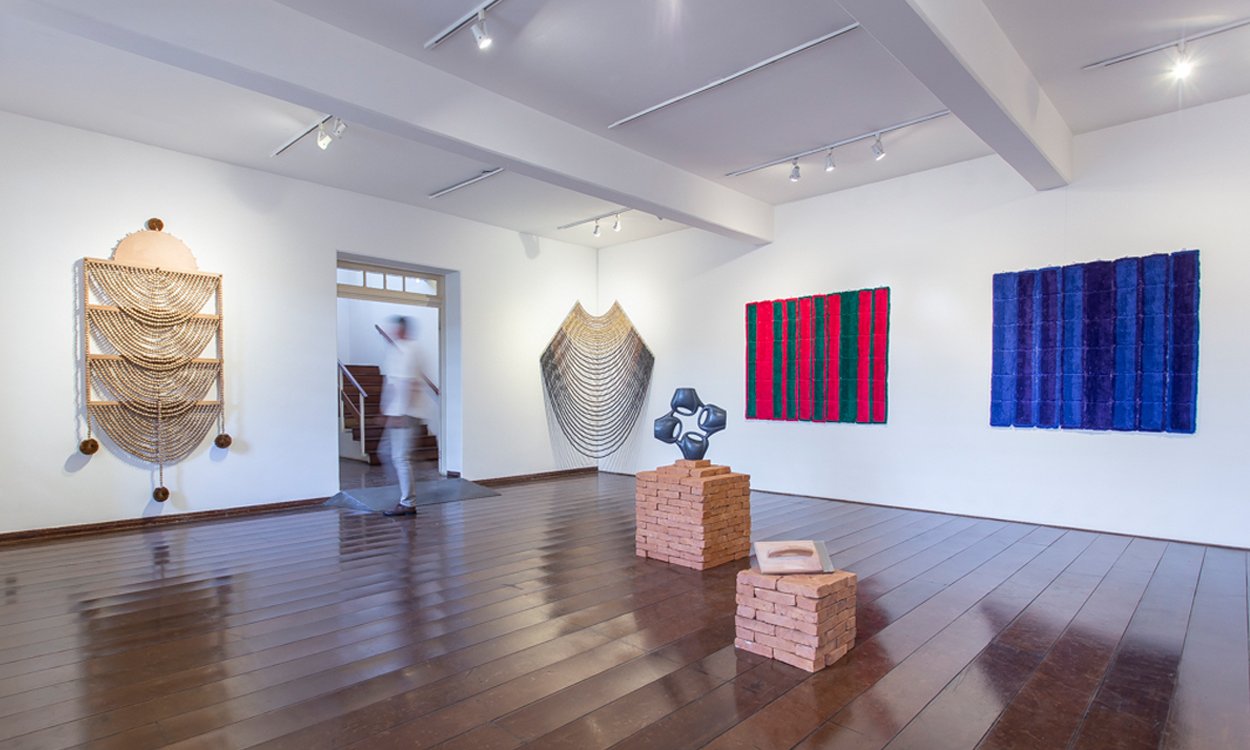
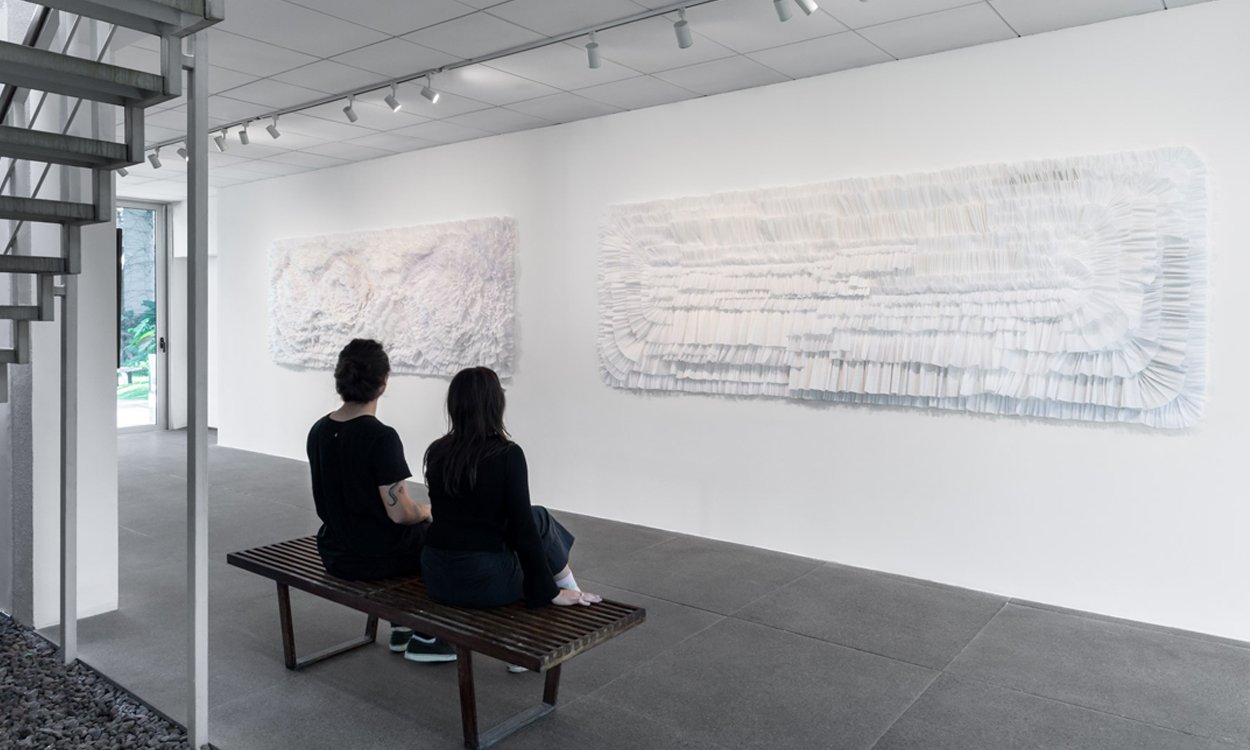
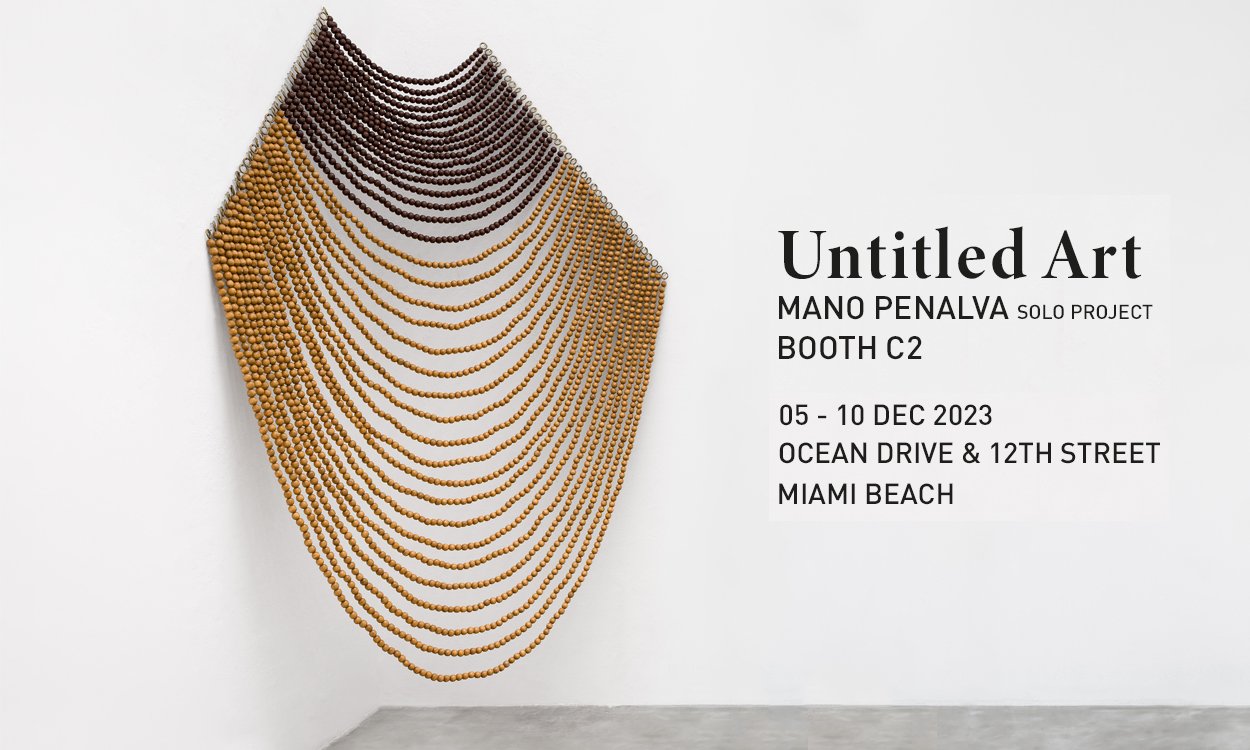
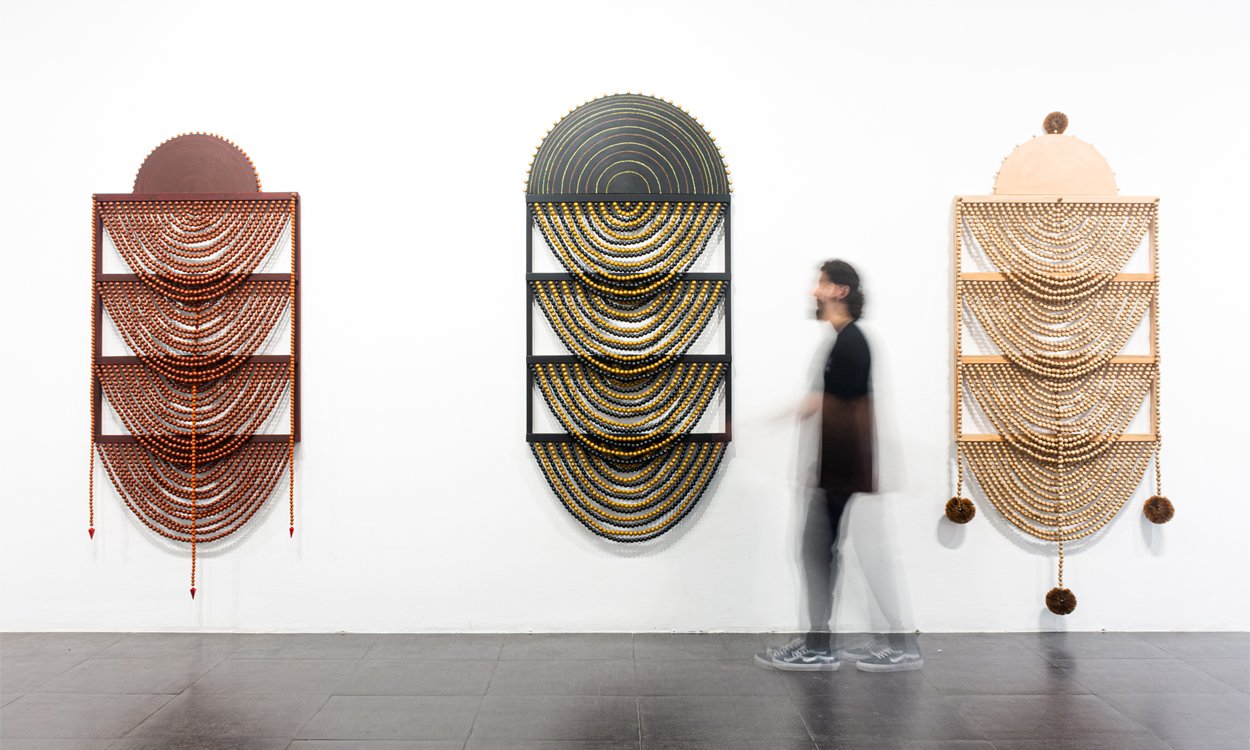
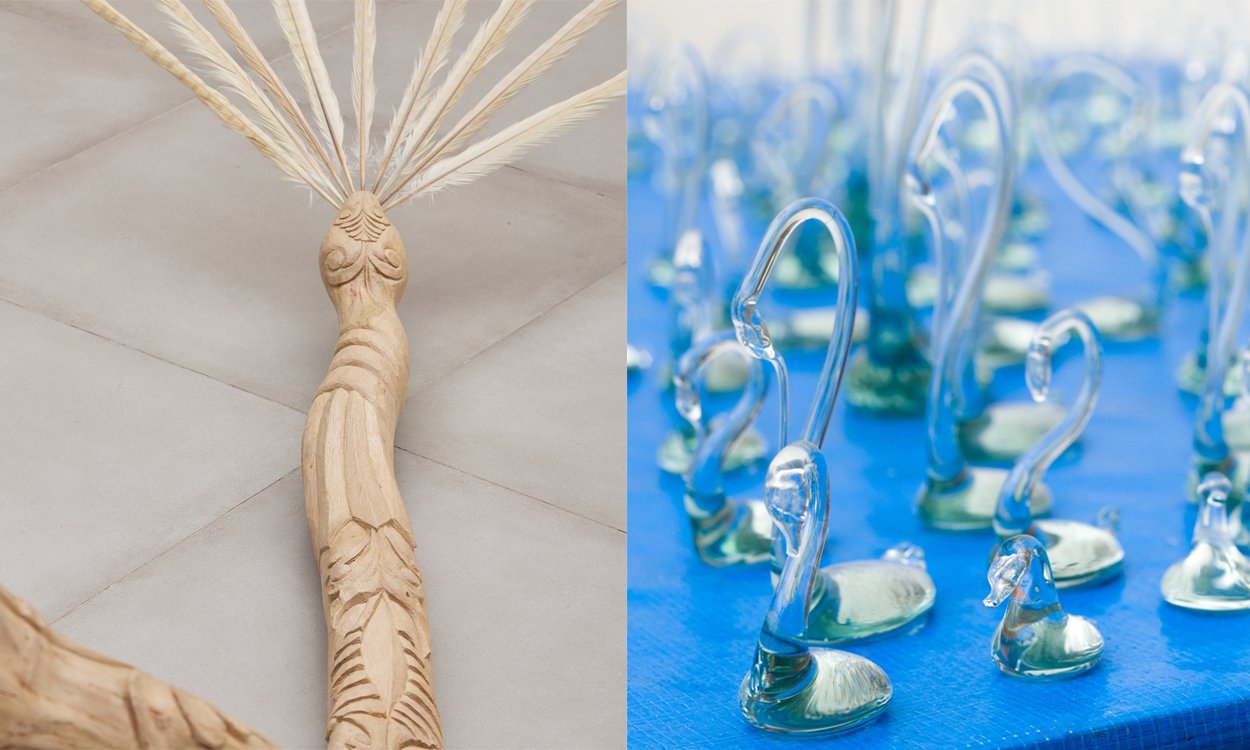
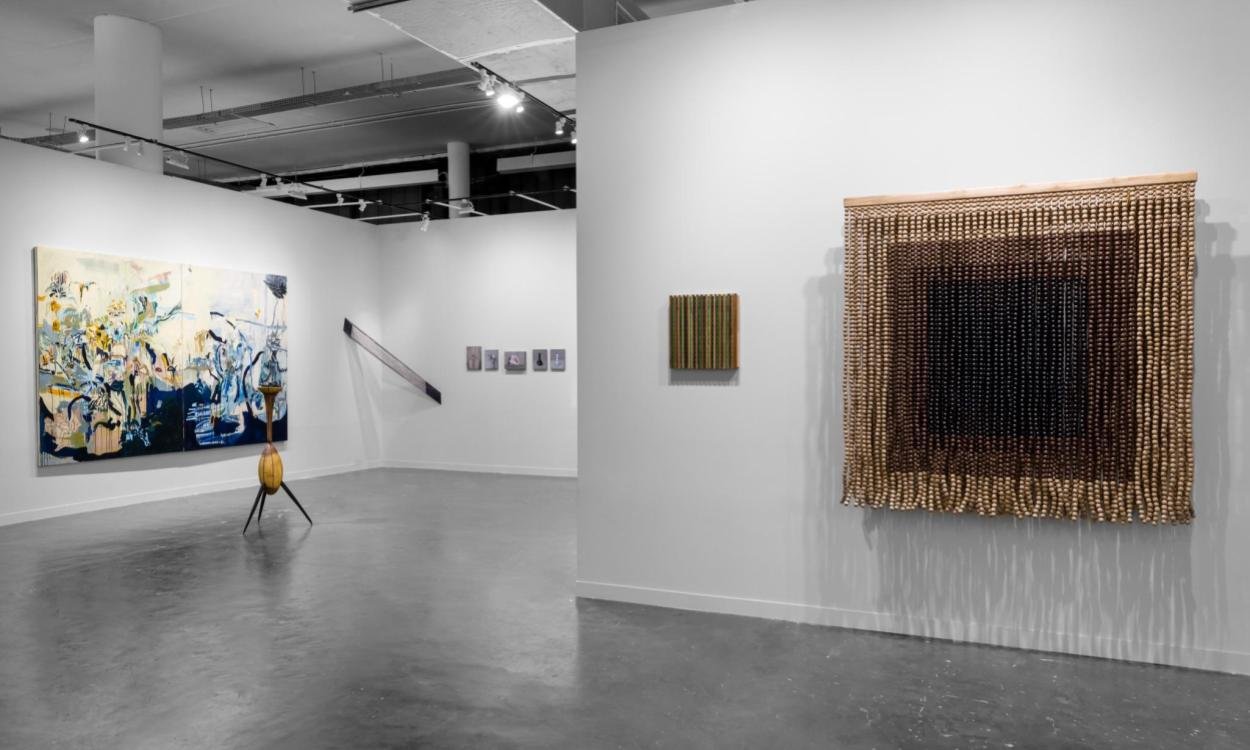
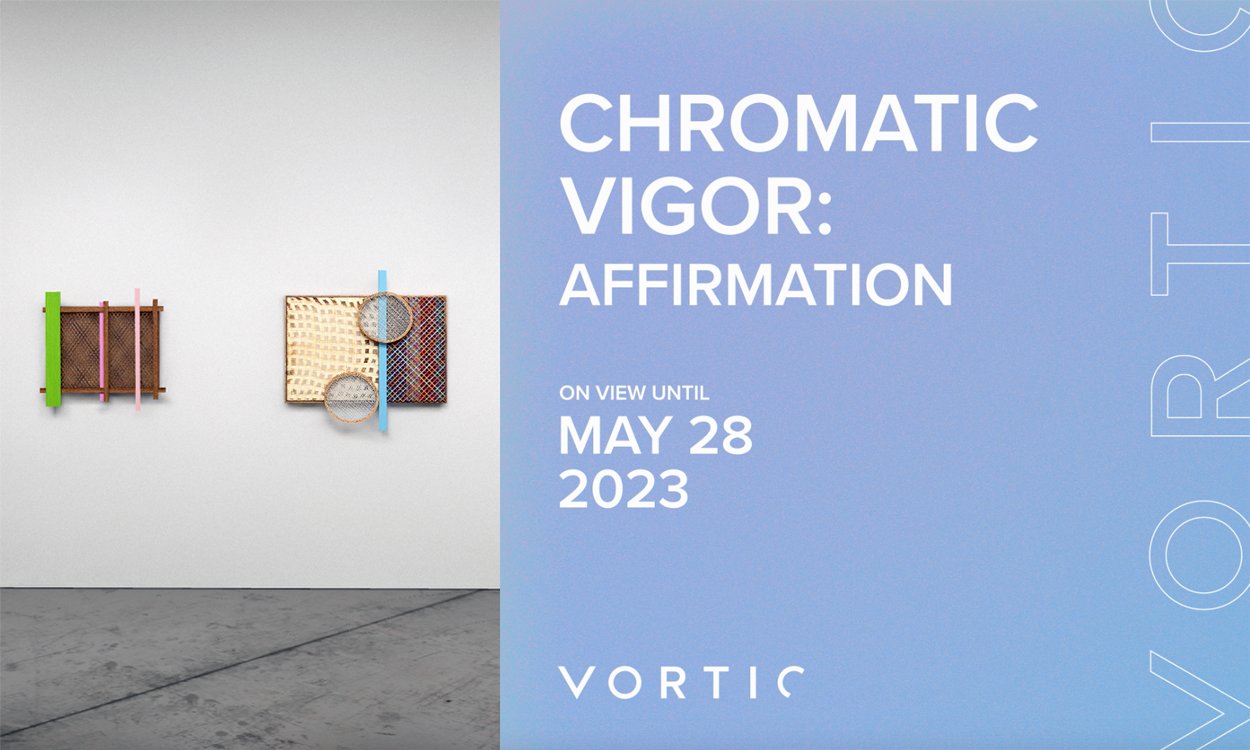
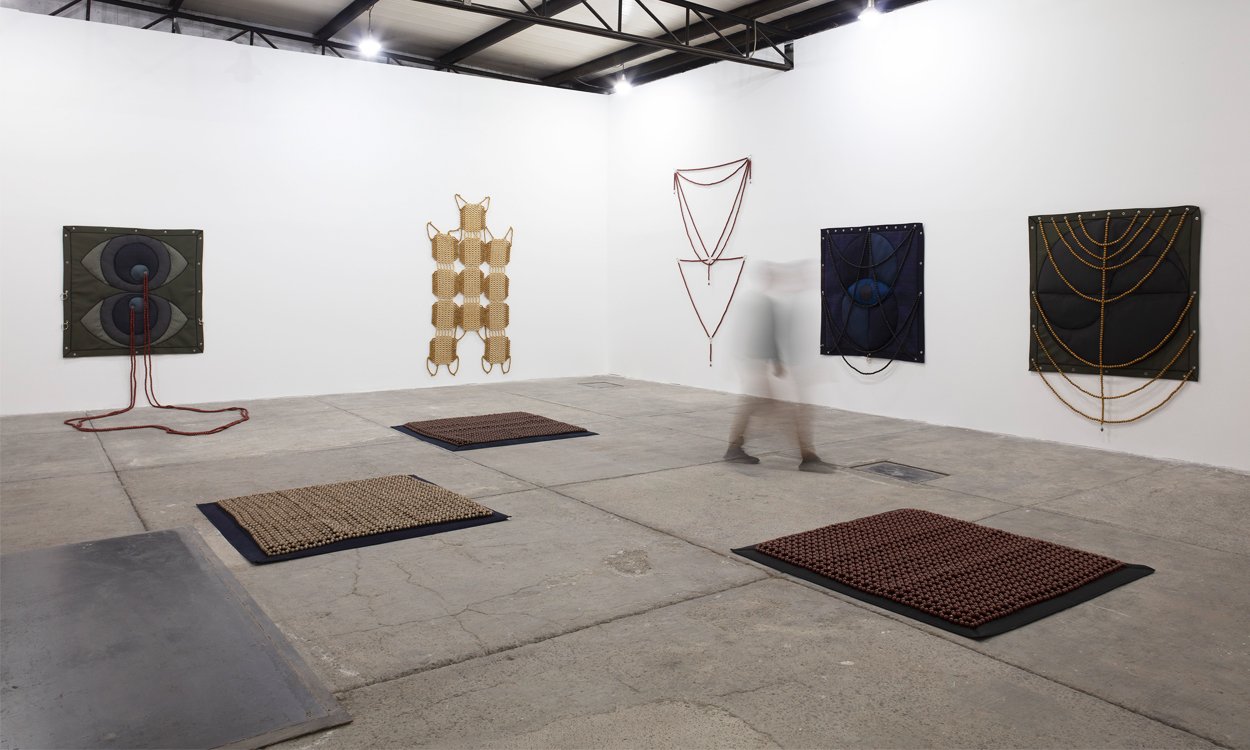
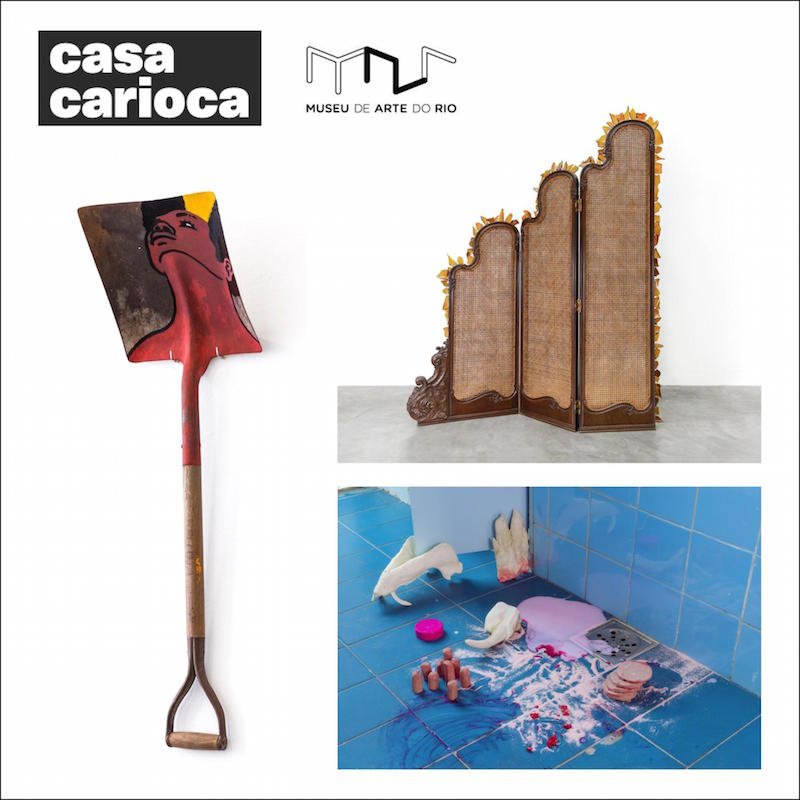
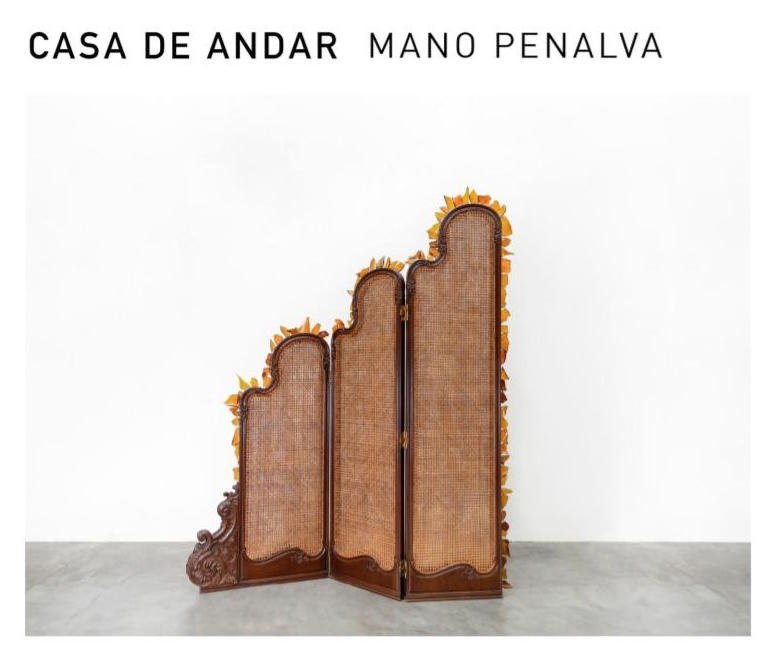
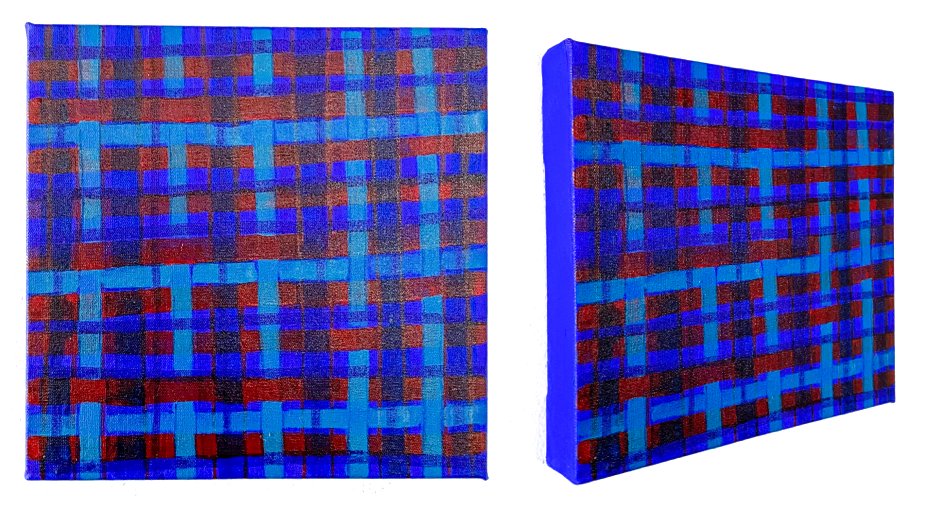
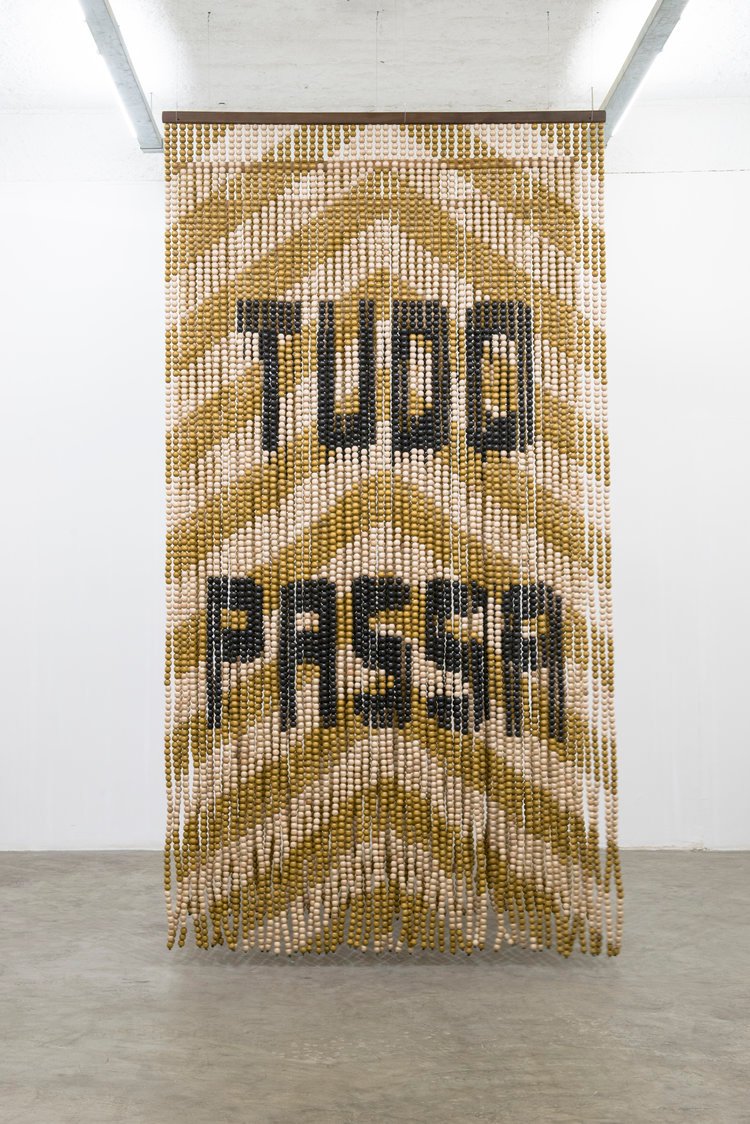
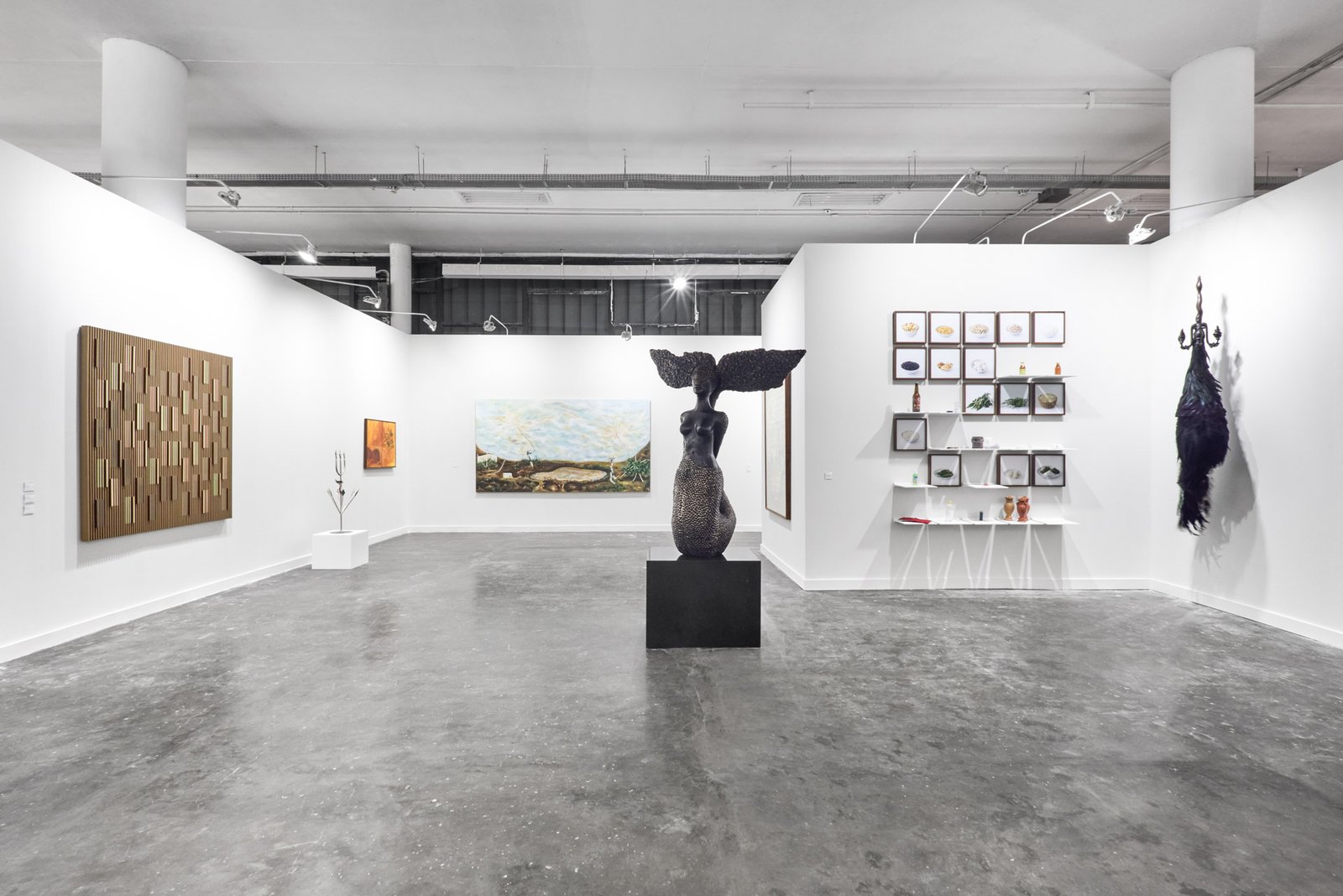
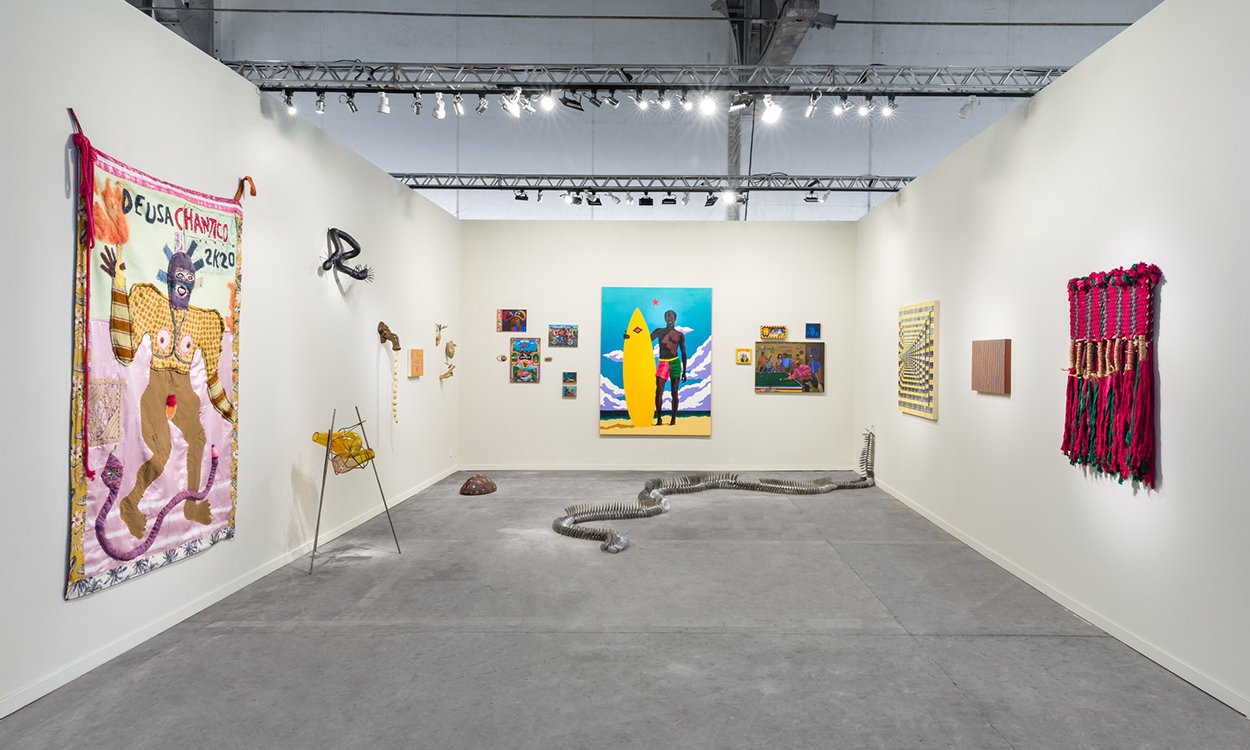
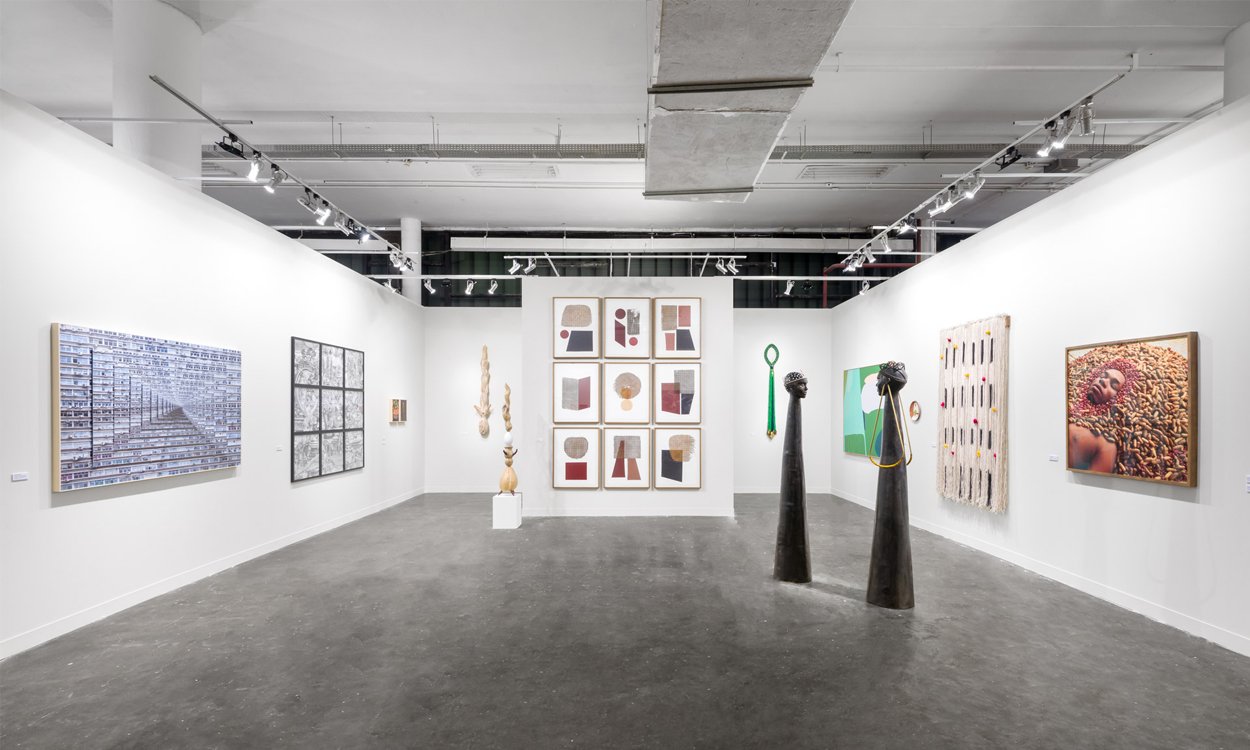
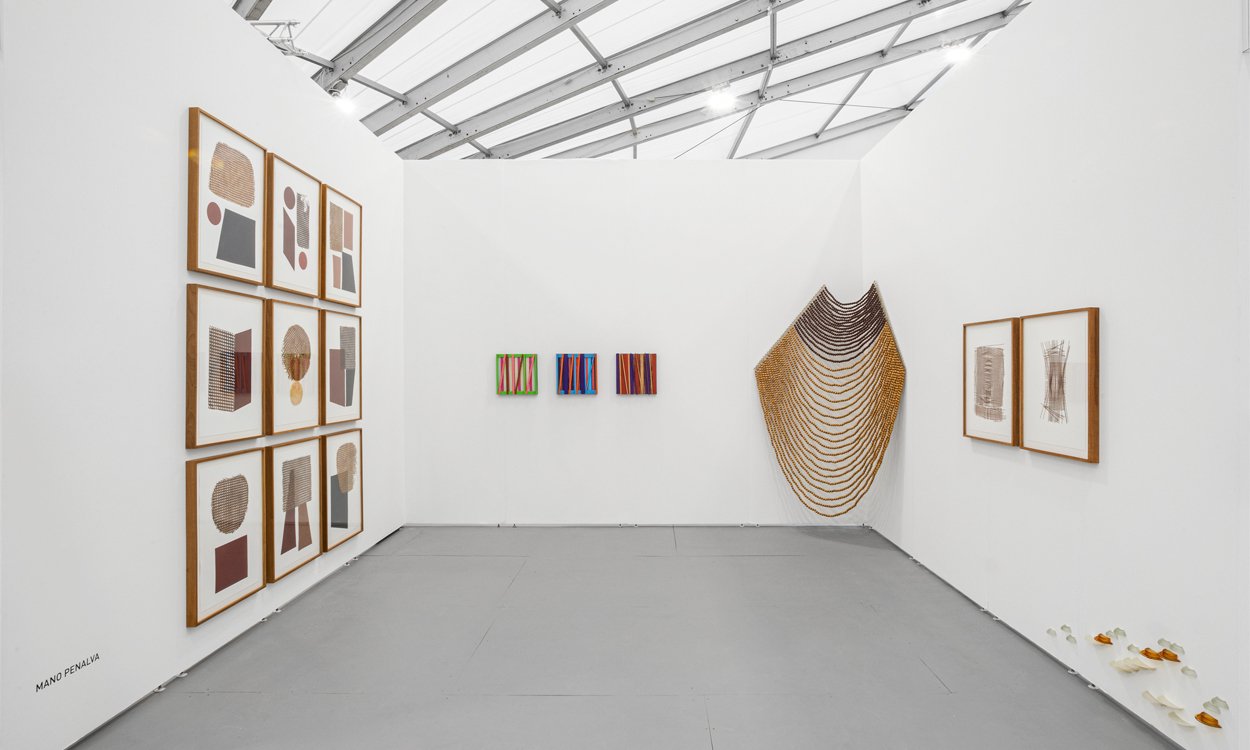
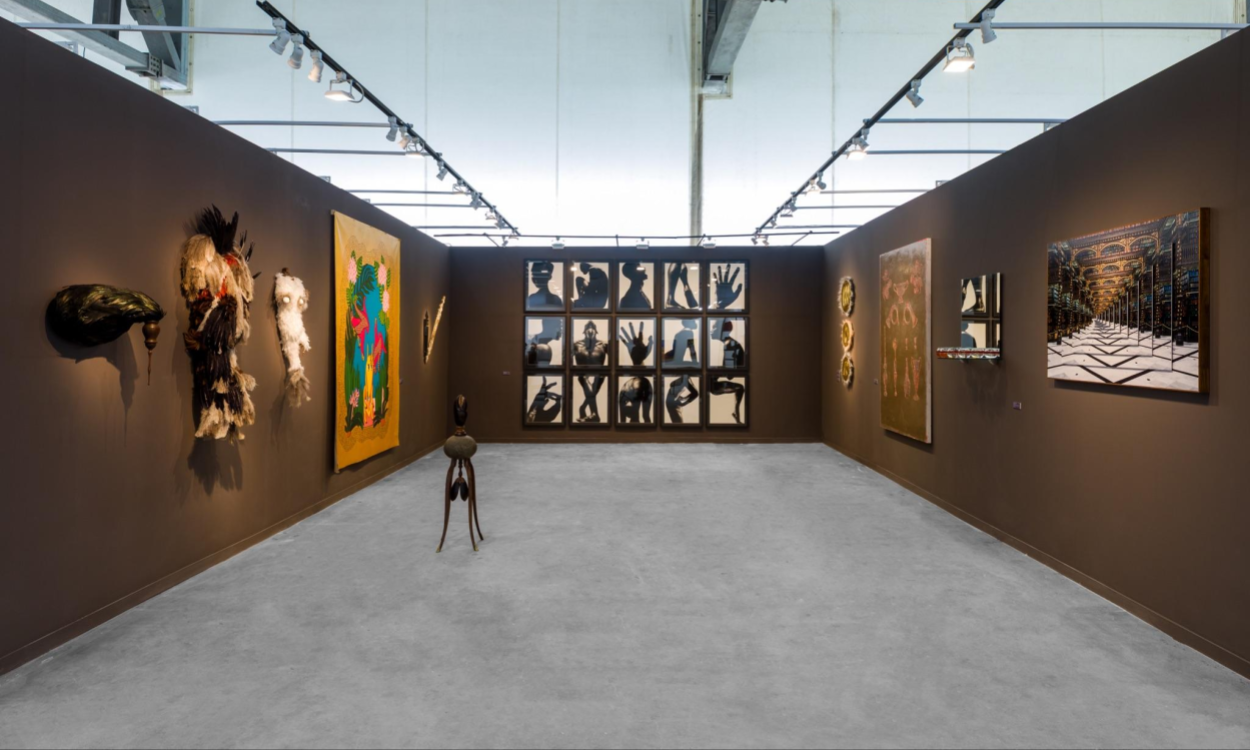
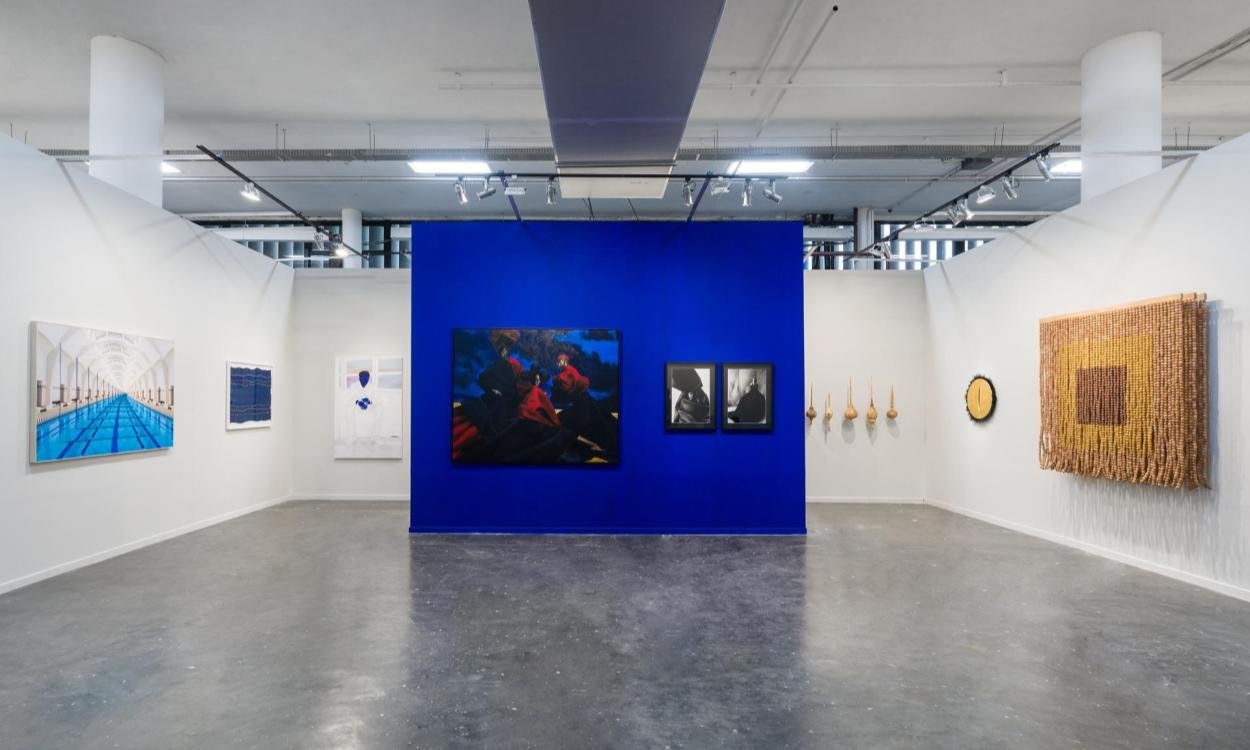
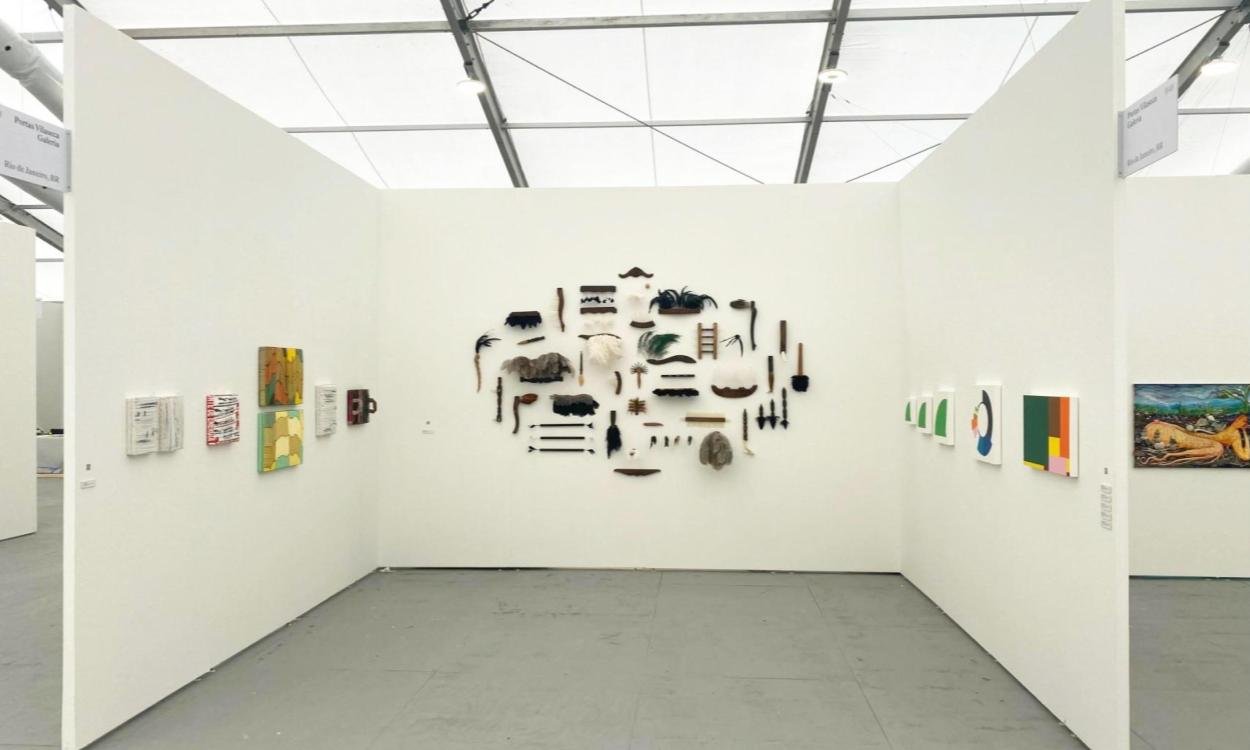
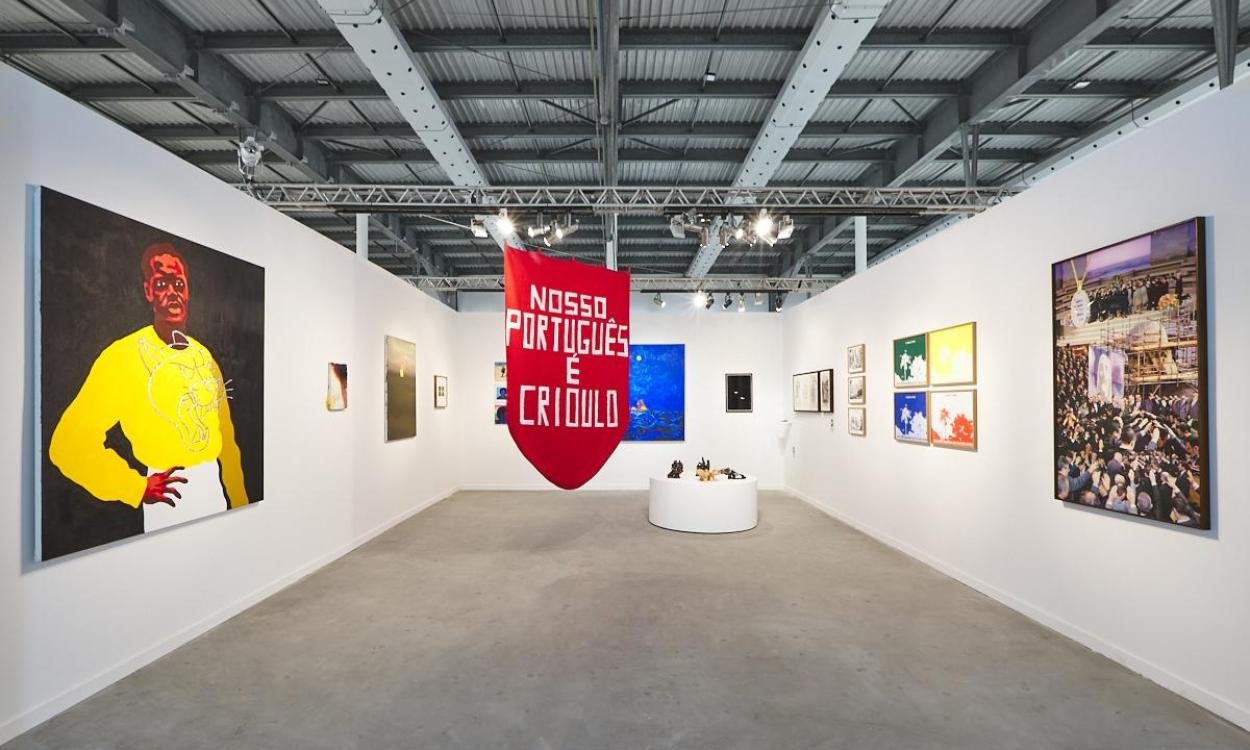
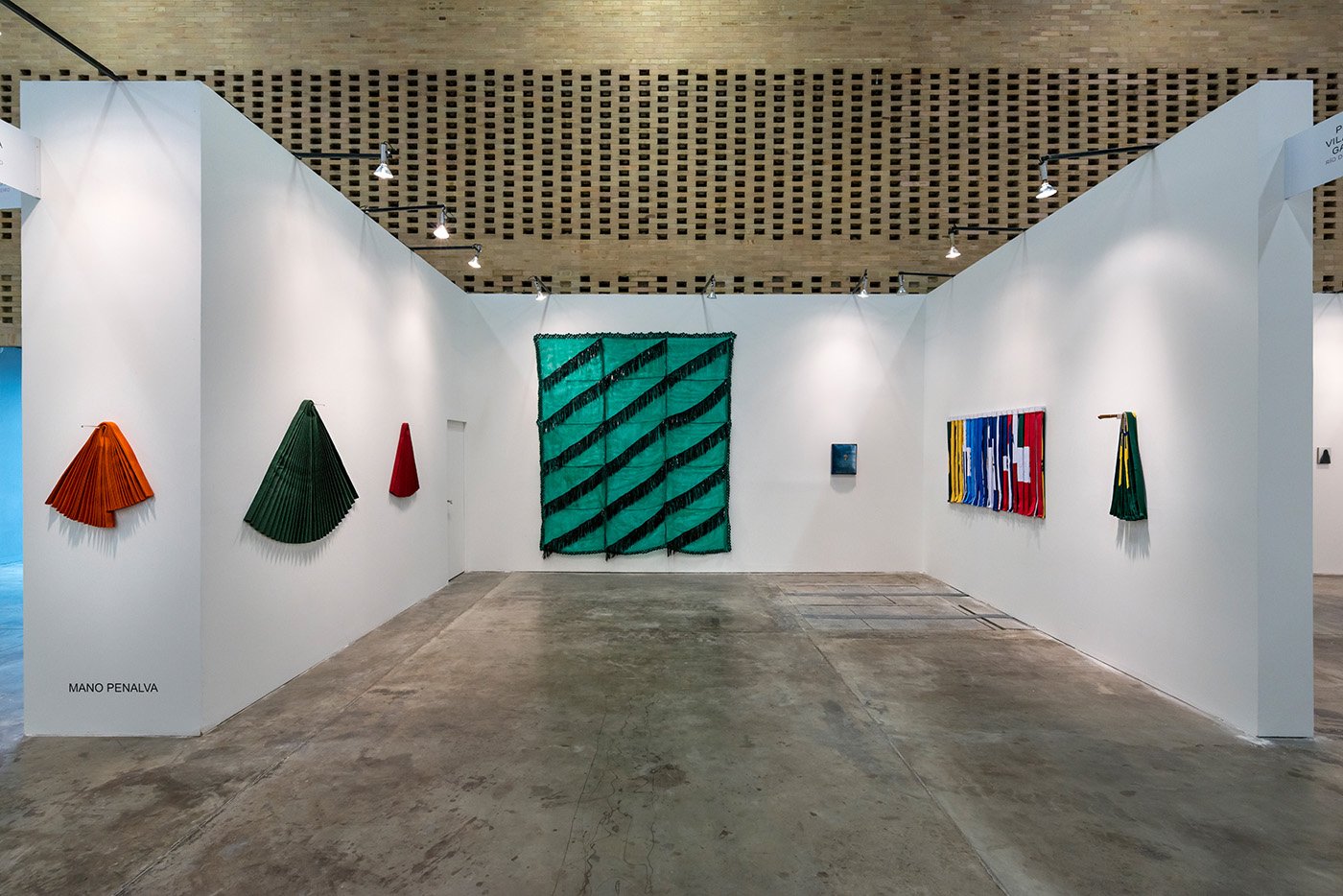
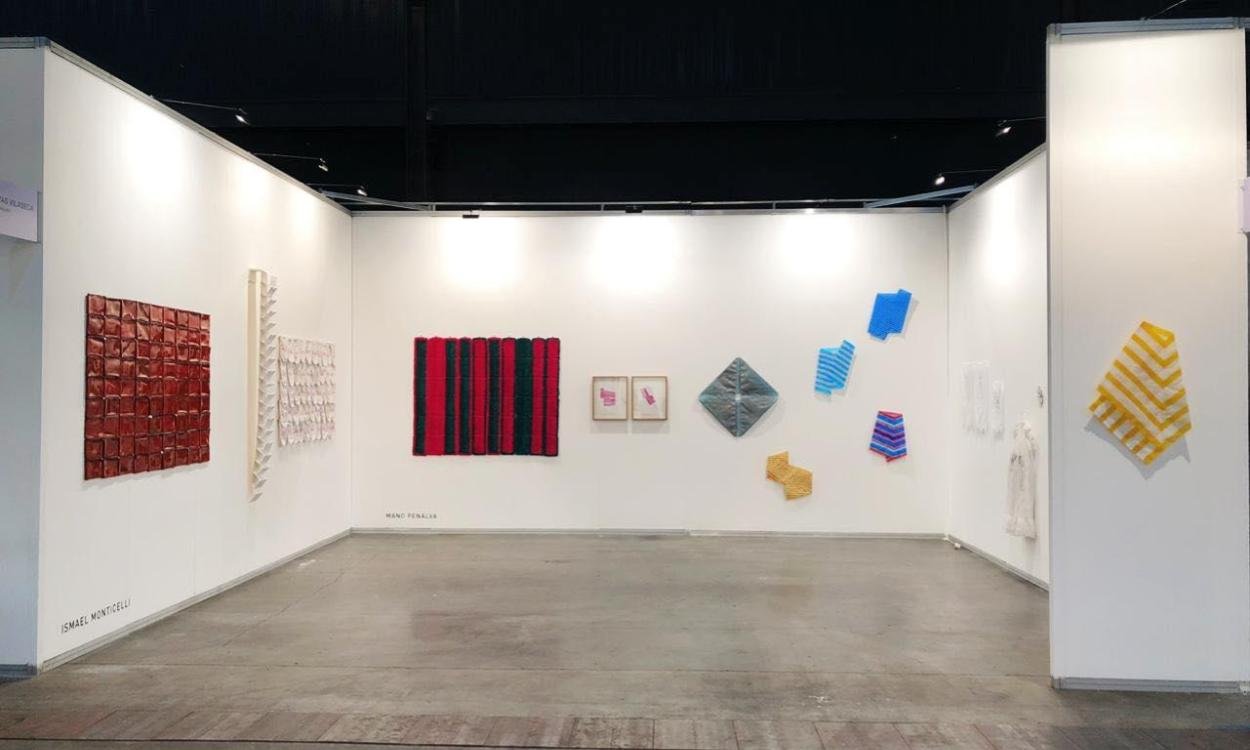
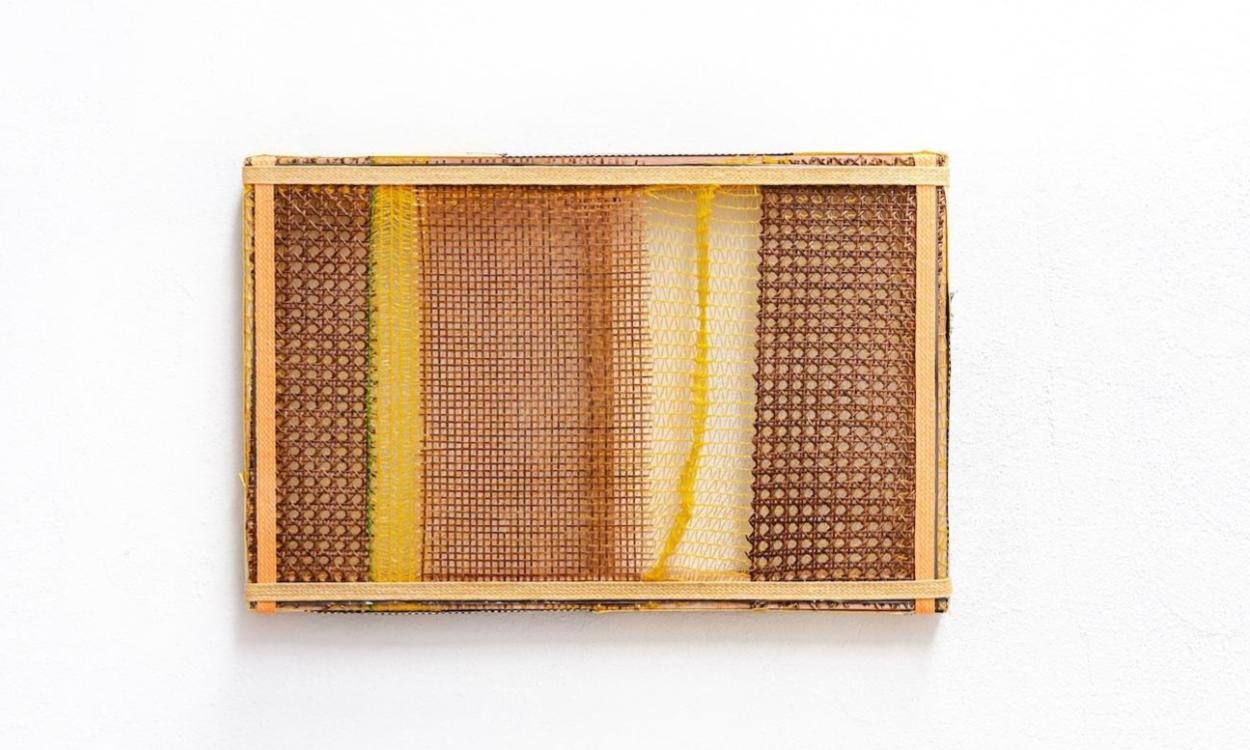
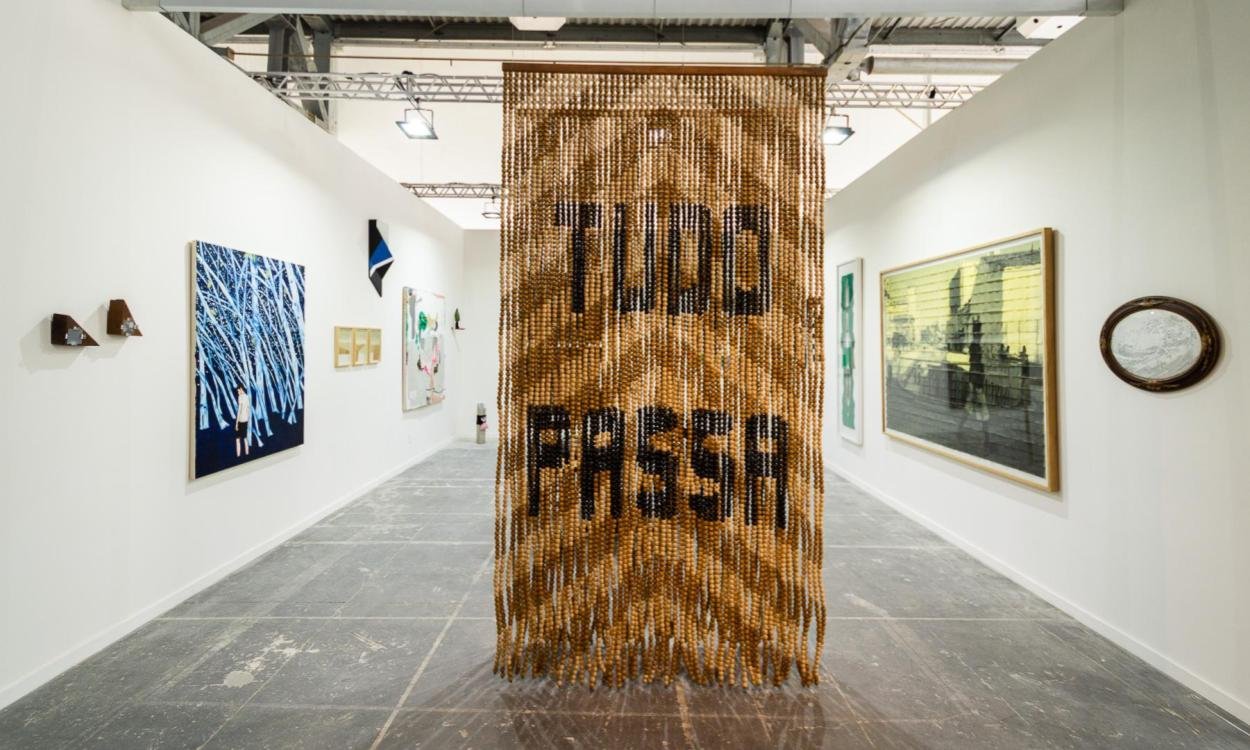
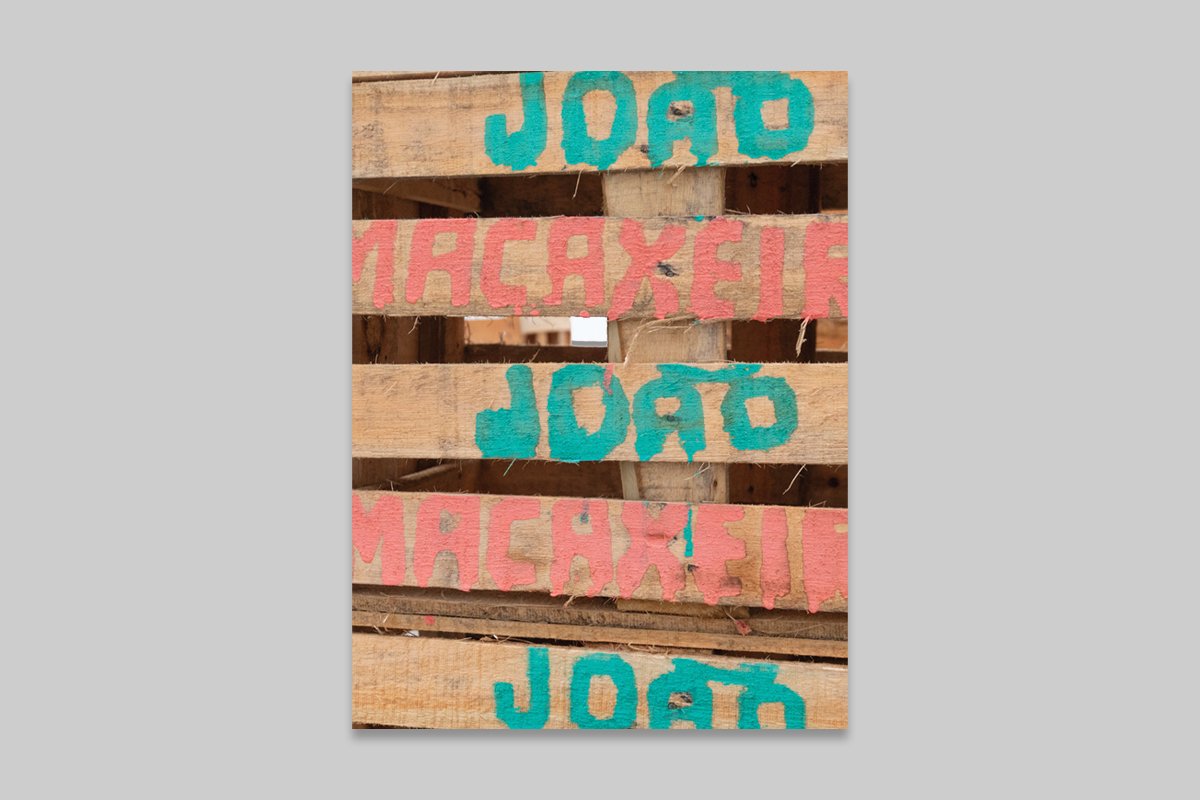
Mano Penalva’s work is based on the displacement of objects from their everyday context and reflects the artist’s interest in Anthropology and Material Culture. Through different media such as sculpture, installation, painting, photography, and video, Penalva proposes new aesthetic groupings based on retail sales strategies, his experiences in collecting stories, and his observations of the space that transitions between the Home and the Street.
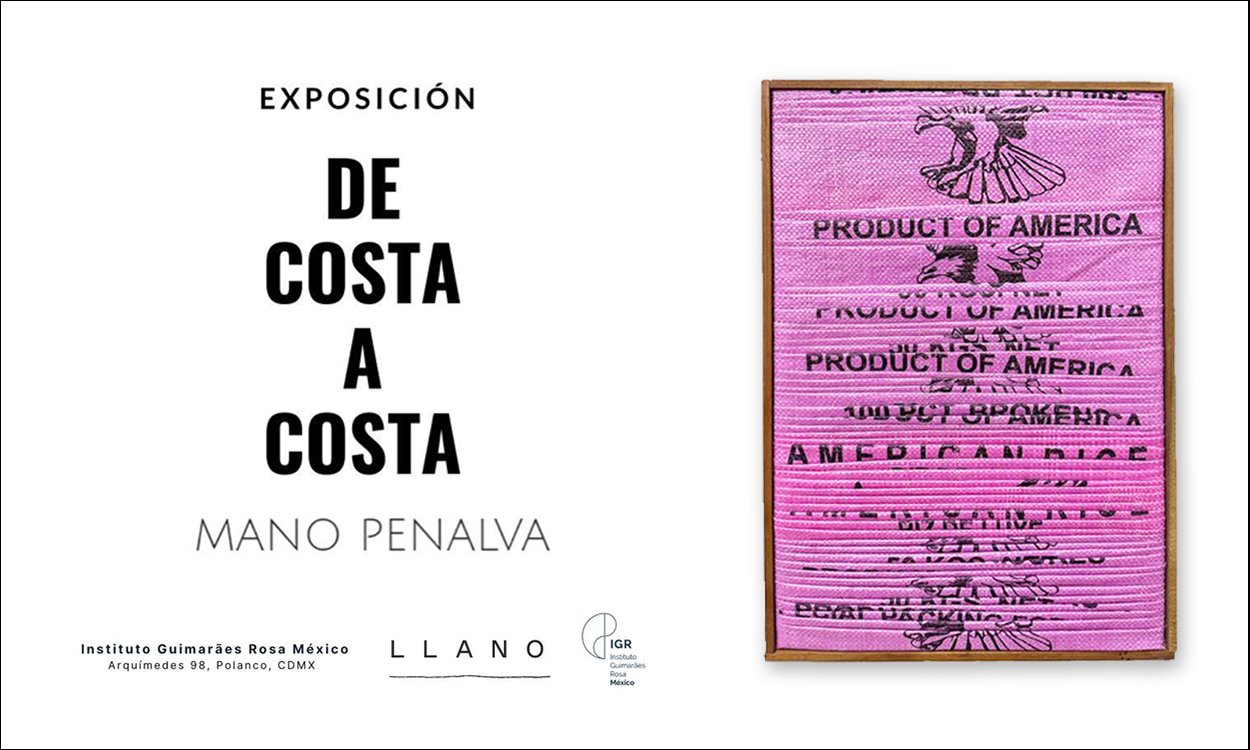
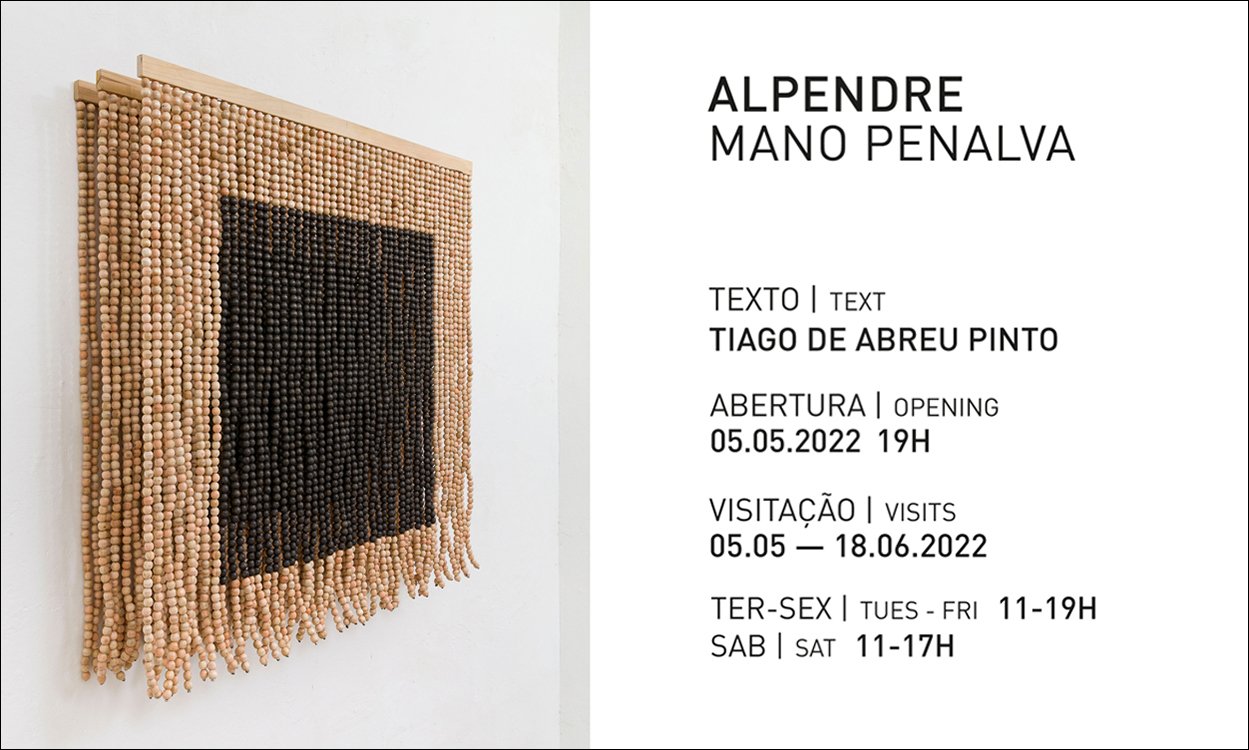
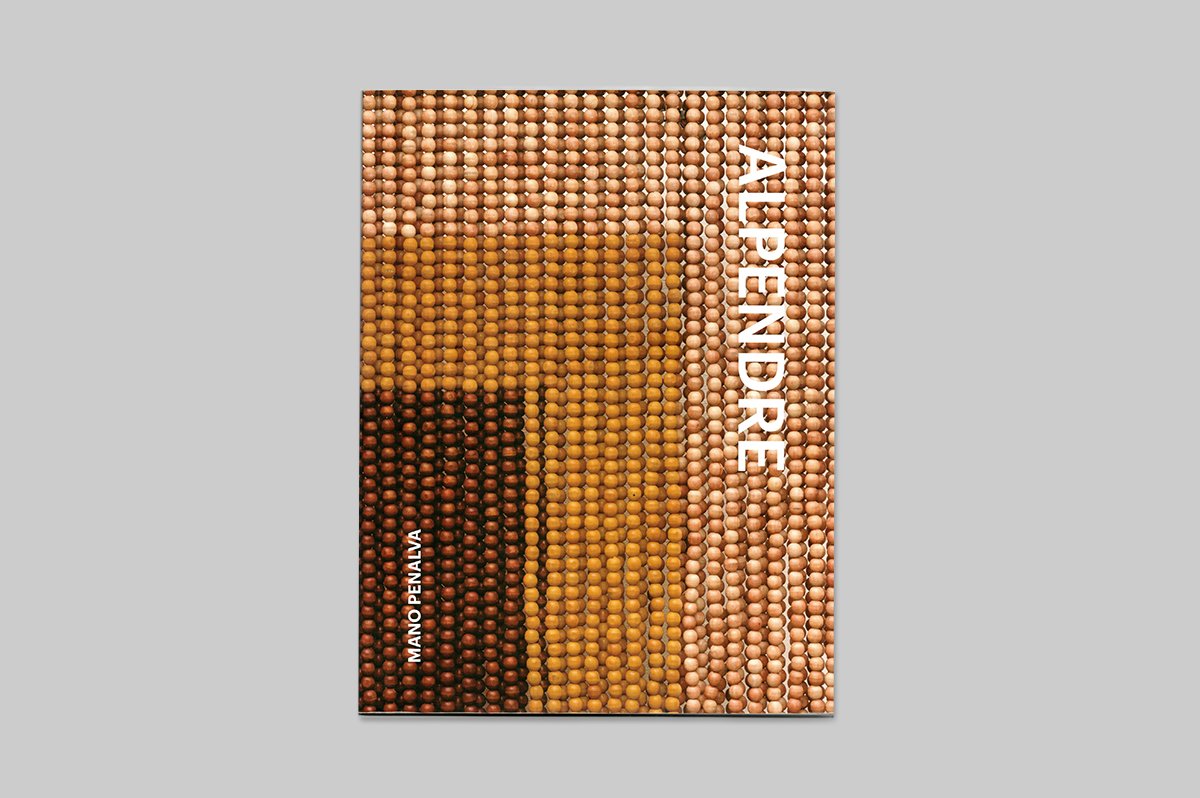
Recent solo exhibitions include: “Manejo”, with critical text by Renato Menezes, Portas Vilaseca, Rio de Janeiro, RJ (2026); “Forró,” with critical text by Omar Porto, MARP – Museu de Arte de Ribeirão Preto, SP, Brazil (2024); “Crepom,” with critical text by Mariana Leme, Casa de Cultura do Parque, São Paulo, SP, Brazil (2024); “Dois pra lá, dois pra cá,” with critical text by Mateus Nunes, Simões de Assis Galeria, Curitiba, PR, Brazil (2024); “De Costa A Costa,” with critical text by Mariana Leme, Instituto Guimarães Rosa Mexico, Mexico City, Mexico (2023); “Cumeeira,” with critical text by Marcelo Campos, Simões de Assis Galeria, São Paulo, SP, Brazil (2023); “Alpendre,” critical text by Tiago de Abreu Pinto, Portas Vilaseca Galeria, Rio de Janeiro, RJ, Brazil (2022).
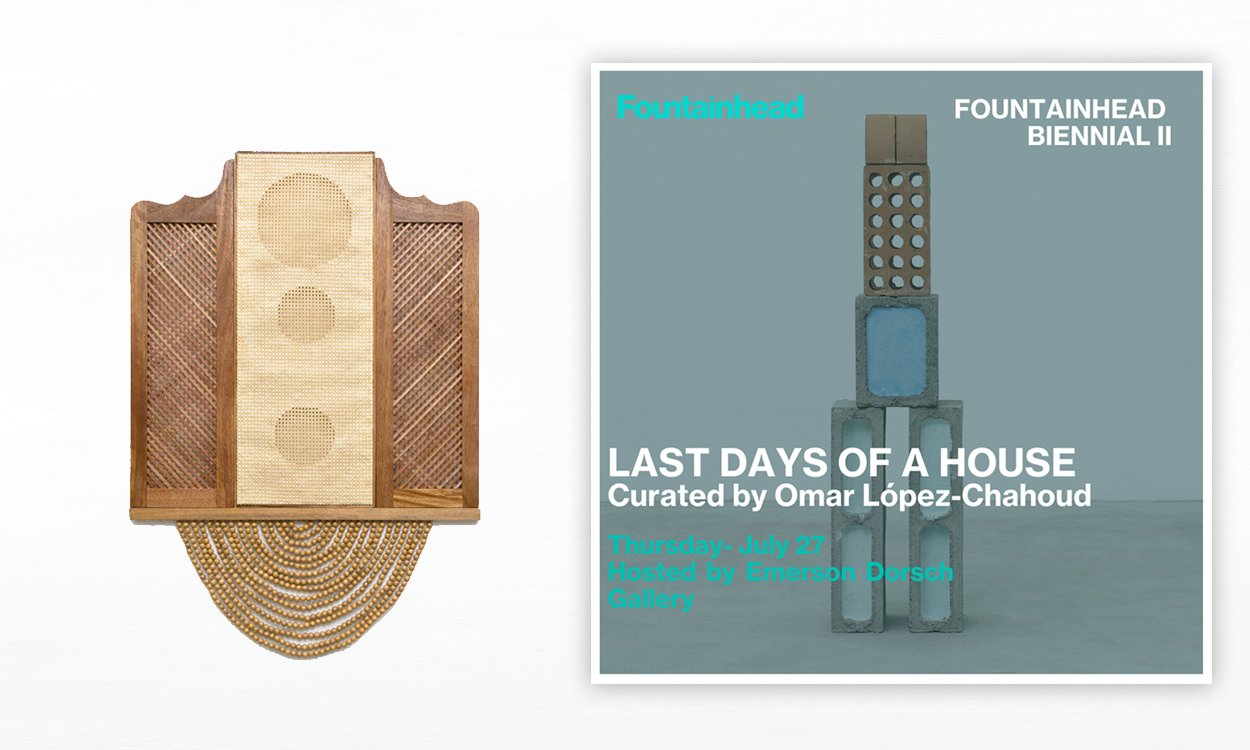
Recent group exhibitions include: “Uma cadeira é uma cadeira é uma cadeira,” organized by Nessia Leonzini and Livia Debbane, Galeria Luisa Strina, São Paulo, SP, Brazil (2024); “Ribeirar,” curated by Marcelo Campos, Galeria da Estação, SESC Grussaí, São João da Barra, RJ, Brazil (2024); “Passeio Público,” curated by Carolina Rodrigues, Daniela Name, and Paula Camargo, Caixa Cultural Rio de Janeiro, RJ, Brazil (2023); “Last days of house,” curated by Omar López-Chahoud, II Fountainhead Biennial / Emerson Dorsch Gallery, Miami, USA (2023); among others.
In recent years, Penalva has participated in several artist residencies, including: Casa Wabi, Puerto Escondido, Mexico (2021); Fountainhead Residency, Miami, USA (2020); LE26by / Felix Frachon Gallery, Brussels, Belgium (2019); AnnexB, New York, USA (2018); Penthouse Art Residence, Brussels, Belgium (2018); R.A.T – Artistic Residency for Exchange, Mexico City, Mexico (2017); and Pop Center, Camelódromo Porto Alegre, RS, Brazil (2017).
He holds a Bachelor’s degree in Social Communication from the Pontifical Catholic University of Rio de Janeiro (2008) and attended several courses at the Parque Lage Visual Arts School in Rio de Janeiro from 2005 to 2011. He is the founder of Massapê Projetos, an artist-run platform based in São Paulo dedicated to fostering critical thinking and the production of contemporary art.
His work is part of public collections in Brazil and abroad, such as: CIFO – Cisneros Fontanals Art Foundation – Miami – USA; Frédéric de Goldschmidt Collection – Brussels – Belgium; GALILA’S P.O.C. – Brussels – Belgium; PAT Art Lab – Augsburg – Germany; MAPA, Museu de Artes Plásticas de Anápolis – Brazil; MARP, Museu de Arte de Ribeirão Preto – Brazil; Acervo da Laje – Bahia – Brazil; and MAR – Museu de Arte do Rio.
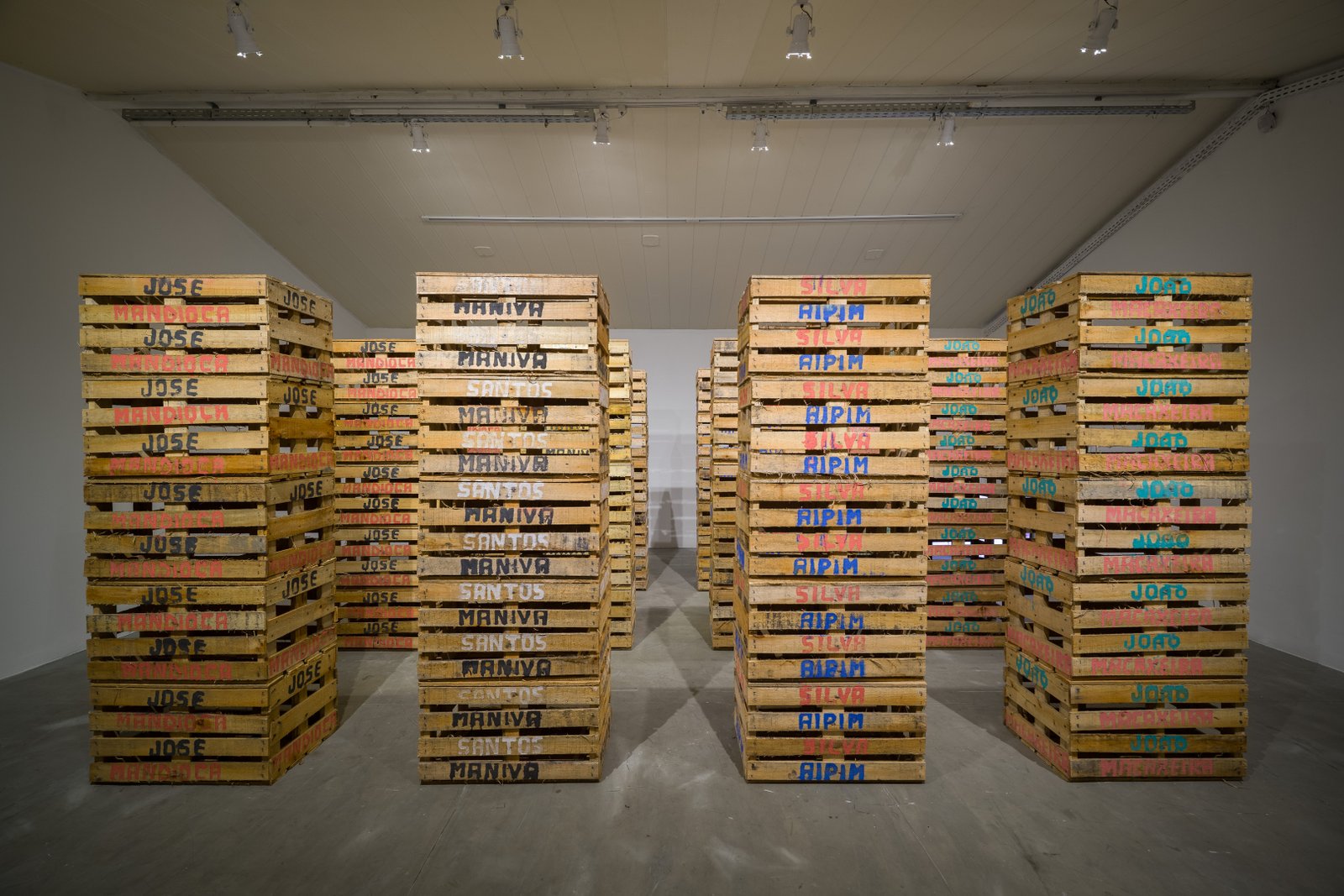
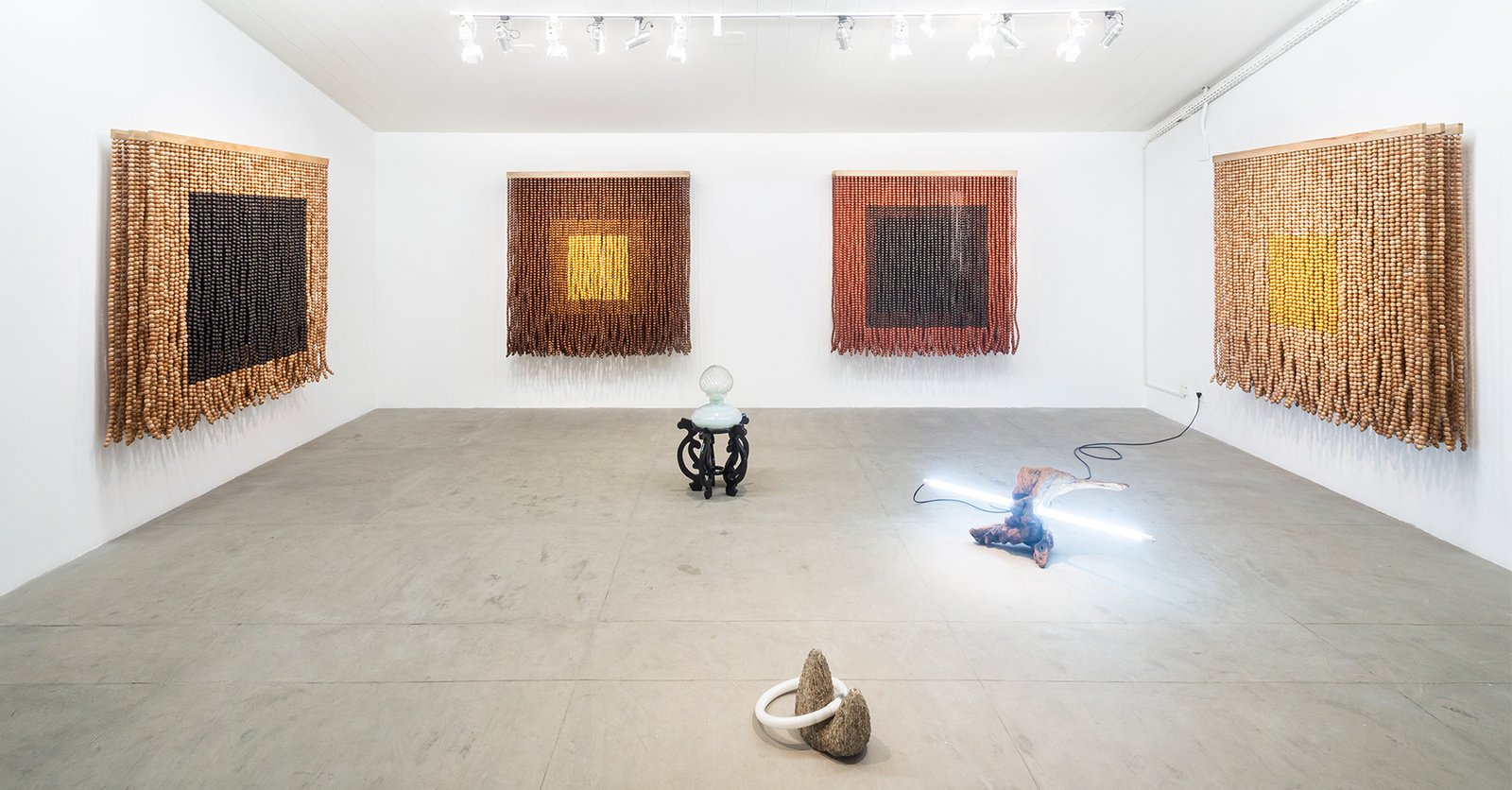
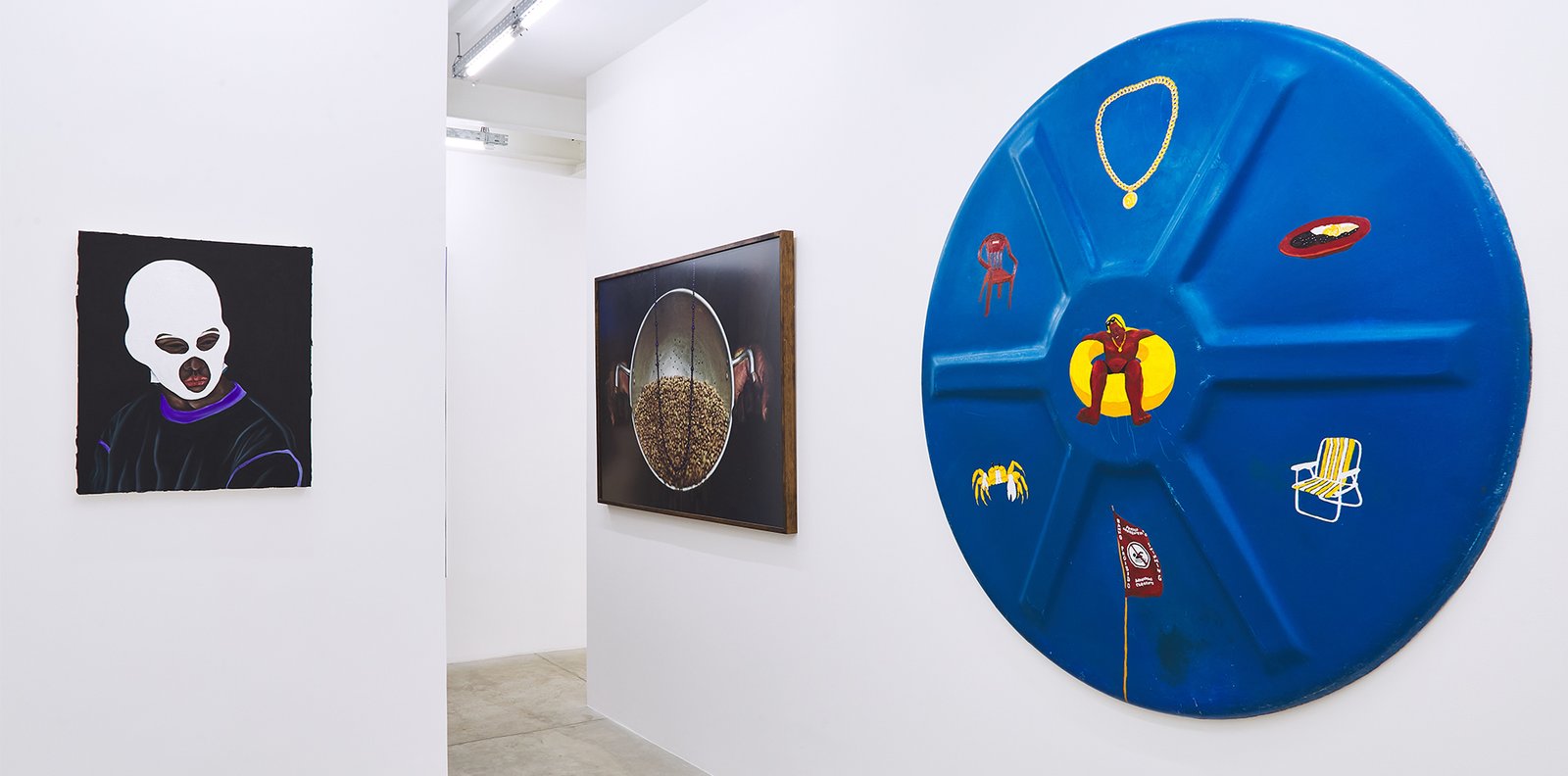
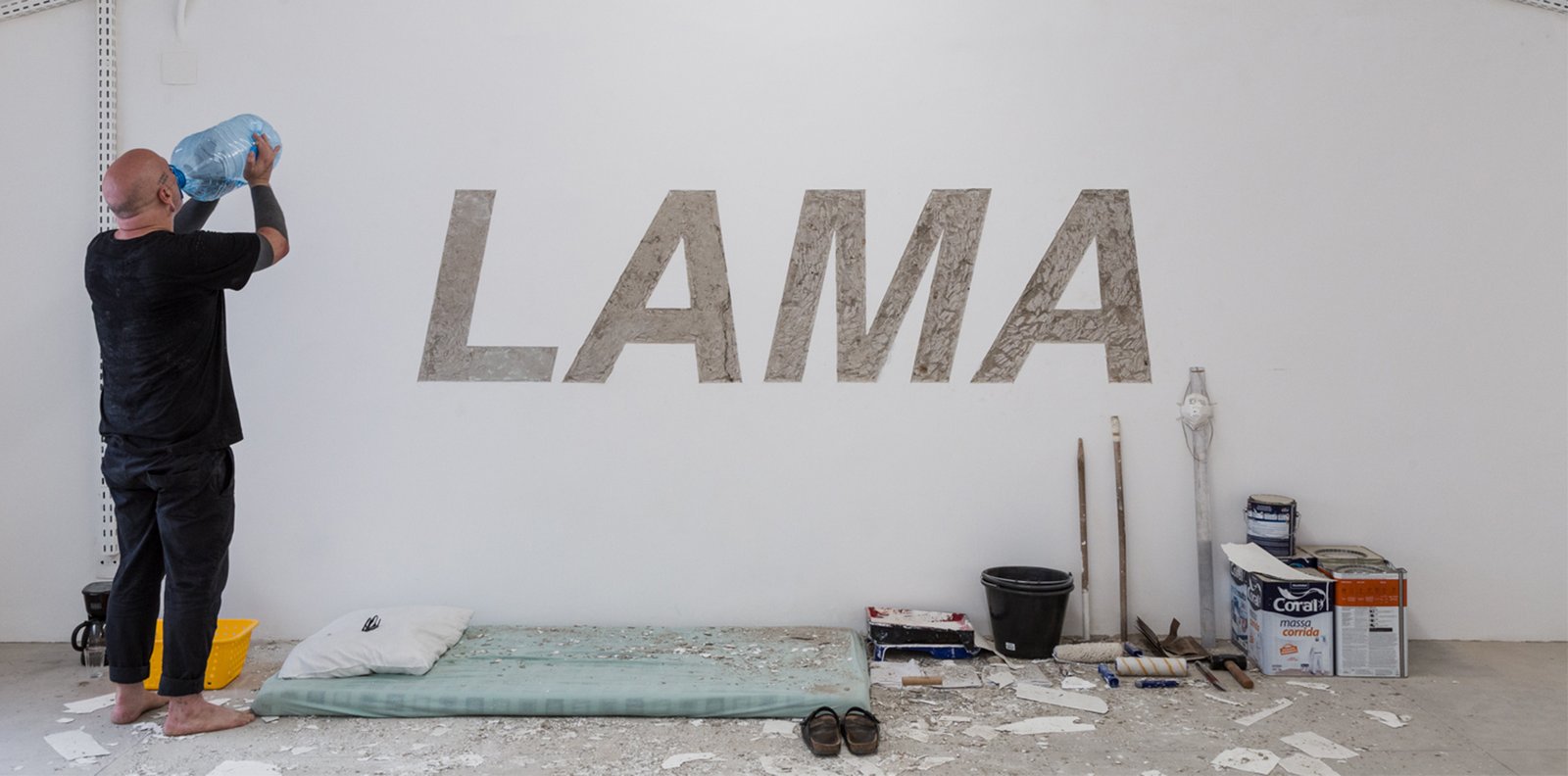
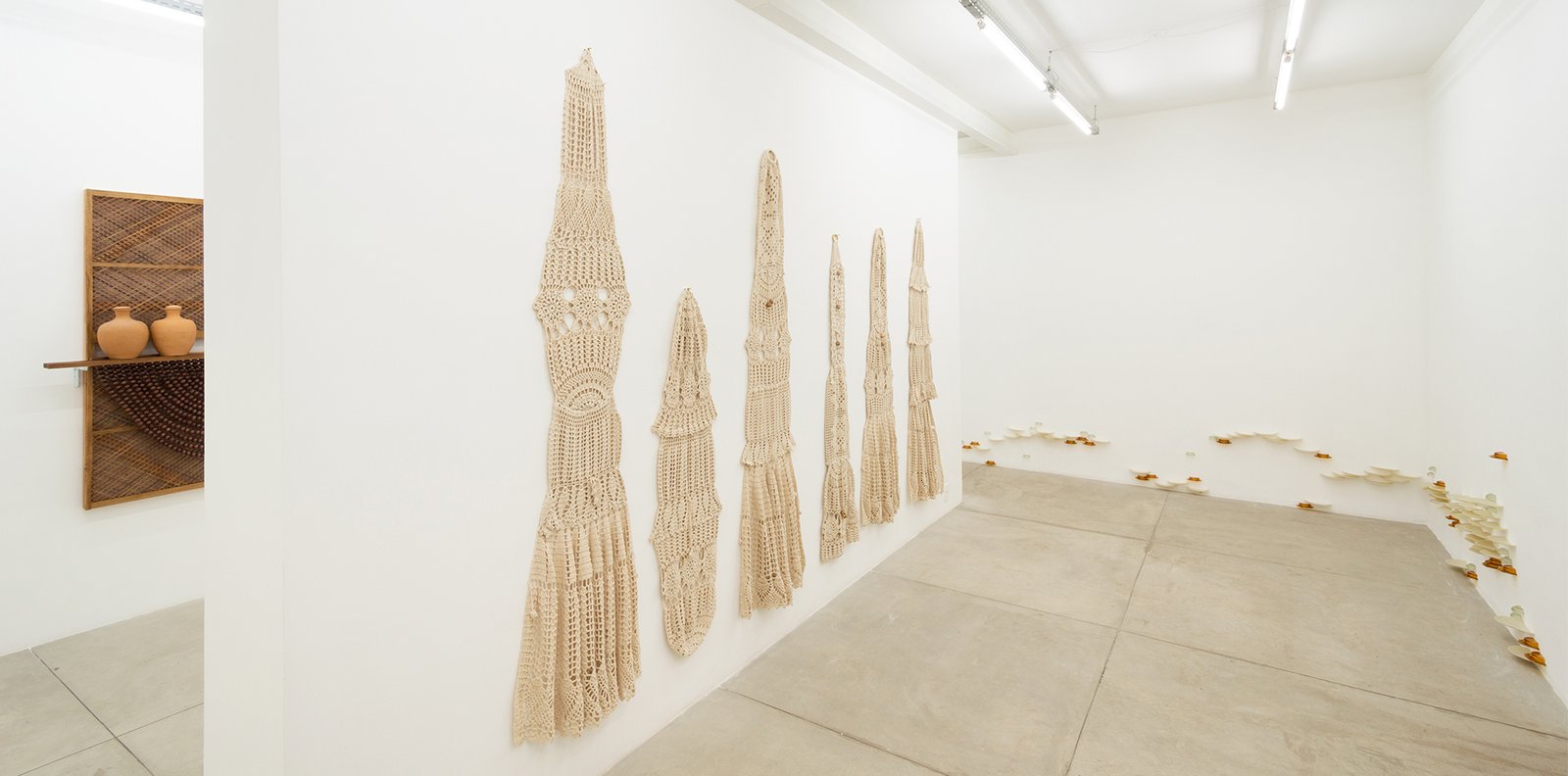
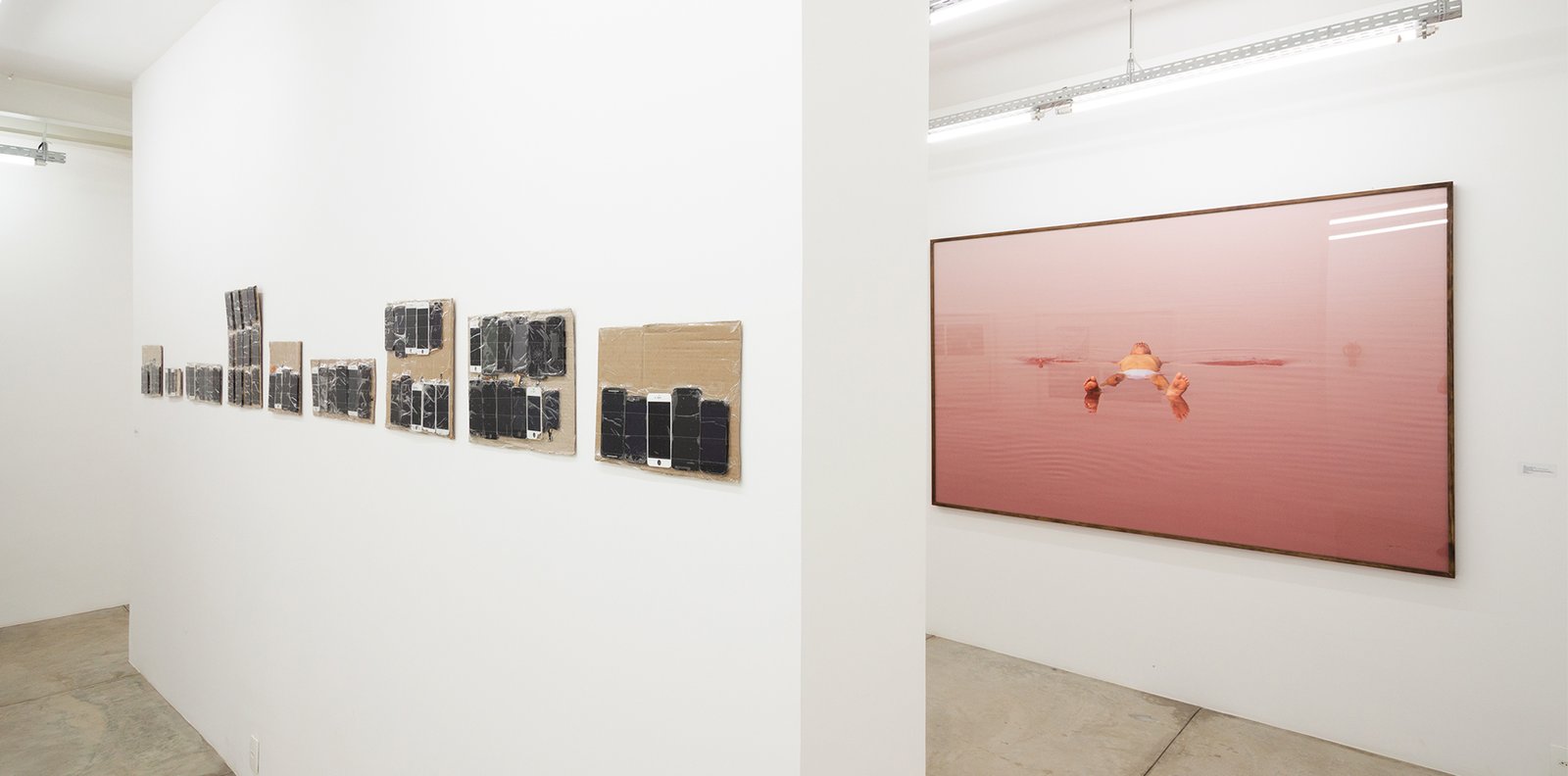
In Greek mythology, Daedalus was an Athenian master craftsman, inventor, and architect, whose most famous work was the labyrinth he built together with his son, Icarus, for Minos, the king of Crete, to shut in the fearsome Mino-taur—offspring of a fleeting passion between Minos’ wife, Pasiphae, and the Cretan Bull. A lesson that emanates from this work is that every technical feat, no matter how refined and flawless it may be, is always labyrinthine, never straightforward. [1] This is because all technique involves both a dimension of repetition, which leads to practice, and a dimension of intuition, which emerges when repetition is transformed into intelligence—action that forgoes conscious calculation. It is precisely at this juncture, at this fine membrane, that we find the raw material and field of observation of Mano Penalva, an artist attuned to the labyrinthine ways of popular invention, the potential for design, the recipes of improvisation, the wisdom of foresight, the reflexes of the hand. After all, as Richard Sennett wrote in a kind of homage to empirical knowledge or experience as craft, “the hand thinks.” [2] A “handful,” a “pinch,” a “helping hand,” a “palm,” a “finger,” and all the other variations on the rough, tactile units of measure in which numbers are replaced by the hand reorganize the parameters of reason and join other sense organs in taking responsibility for our faculties. Now, it will be down to the eye—so easily deceived—to help us reach a verdict.